Essential Guide to Char Dham Yatra 2026: Dates, Routes, and Registration
Synopsis
The Char Dham Yatra 2026 has commenced with the reopening of sacred temples in Uttarakhand. This comprehensive guide details the journey, timelines, new regulations, and health measures for pilgrims planning their spiritual expedition.
Key Takeaways
Char Dham Yatra 2026 opens with specific dates for each temple.
Advance registration is mandatory for all pilgrims.
Health precautions include mandatory check-ups for older pilgrims.
New regulations affect access for non-Hindus at some temples.
Helicopter packages are available for a quicker pilgrimage experience.
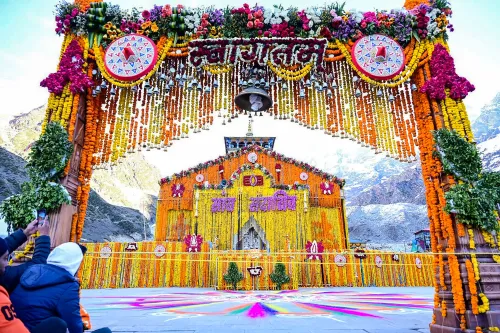
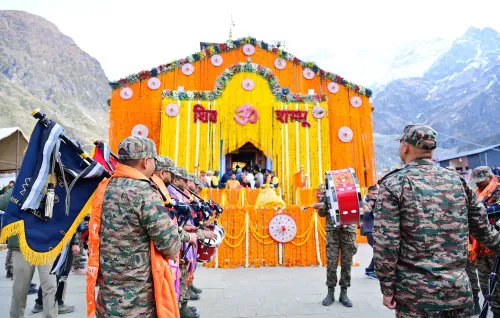
New Delhi, April 21 (NationPress) The revered Char Dham temples have officially reopened, signaling the start of one of India’s most cherished spiritual journeys. The 2026 Char Dham Yatra commenced in Uttarakhand with the unveiling of the Gangotri and Yamunotri shrines on the auspicious day of Akshaya Tritiya, concluding a six-month winter closure.
Amidst the recitation of Vedic chants and sacred rites, the temple gates have swung open, welcoming a pilgrimage season anticipated to draw thousands of devotees from every corner of the nation.
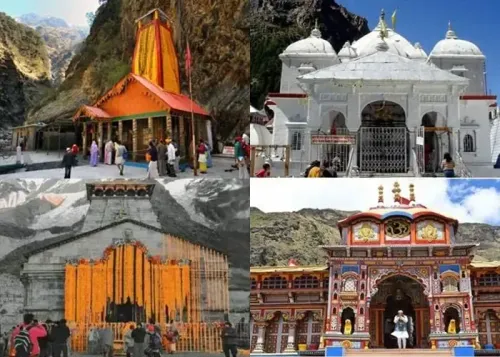
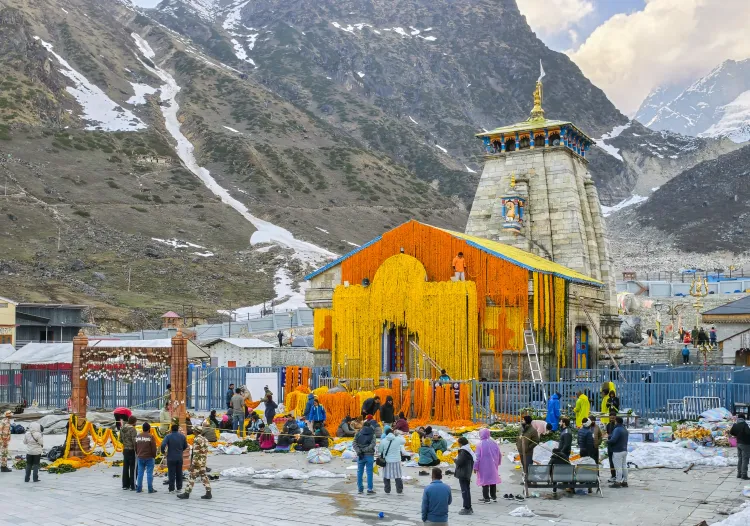
The Char Dham Yatra is regarded as a profoundly spiritual expedition, guiding worshippers through four holy sites nestled in the Himalayas: Yamunotri, Gangotri, Kedarnath, and Badrinath.
Encircled by majestic snow-capped mountains, flowing rivers, and picturesque trails, each location possesses considerable religious importance.
Traditionally, the pilgrimage commences at Yamunotri, advances to Gangotri, continues to Kedarnath, and culminates at Badrinath, following a west-to-east trajectory.
These sacred temples are accessible only for a limited time each year before severe winter conditions necessitate their closure once more.
For 2026, the operational schedule is as follows: Yamunotri will be open from April 19 to November 11, Gangotri from April 19 to November 10, Kedarnath from April 22 to November 11, and Badrinath from April 23 to November 13.
As the timeframe is limited and weather patterns can be unpredictable in the region, thorough planning is crucial for pilgrims. Most journeys initiate from base locations like Haridwar, Rishikesh, or Dehradun, which are well connected by road, rail, and air. From these hubs, travelers navigate through mountainous roads, often taking several days to complete the full circuit.
The trek to Yamunotri typically begins from Rishikesh, traveling through Barkot and arriving at Janki Chatti, which is the last point accessible by vehicle. From there, pilgrims embark on a 5–6 km hike to the temple. Amenities such as ponies, palkis, and porters are provided for those unable to walk the distance.
From Yamunotri, pilgrims proceed toward Gangotri via Uttarkashi. Unlike Yamunotri, Gangotri is readily accessible by road, facilitating an easier journey.
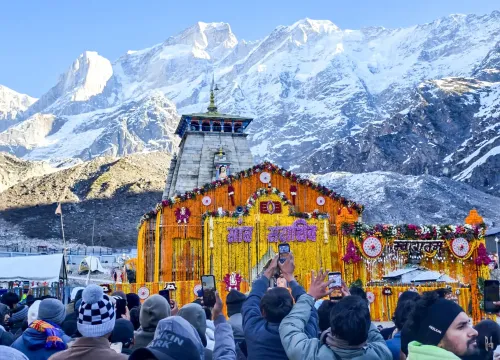
The Kedarnath section of the yatra is noted for its physical challenges. Travelers are required to drive to Gaurikund, after which a steep 16–18 km trek leads to the temple. For added convenience, helicopter services are available, though reservations must be made exclusively through IRCTC.
The concluding destination, Badrinath, is the most accessible of all four shrines, as it is directly linked by road. Unlike Kedarnath, no trekking is necessary, making it a viable option for elderly pilgrims and those with mobility issues.
For those with time constraints or in search of a more comfortable experience, helicopter packages covering all four shrines are offered from Dehradun. These packages significantly shorten travel time, enabling pilgrims to complete the yatra within just a few days instead of over a week.
The 2026 yatra will also see the implementation of new regulations. Certain temples, including Kedarnath, Badrinath, and Gangotri, have established entry restrictions that may affect non-Hindu visitors. However, Yamunotri remains open to individuals of all faiths. Additionally, the use of mobile phones and cameras inside temple grounds has been strictly prohibited to maintain the sanctity of the pilgrimage.
This year, health and safety measures are prioritized. A mandatory medical examination is required before embarking on the journey, particularly for individuals aged over 55 or those with pre-existing health conditions such as heart disease, asthma, diabetes, or hypertension.
To bolster safety, the state government has significantly enhanced medical facilities along the pilgrimage routes. According to official reports, pilgrims will be monitored via a real-time tracking system, supported by medical professionals and volunteers stationed at various locations. A fleet of 177 ambulances, including advanced life support units, has been deployed, along with a helicopter ambulance service managed by AIIMS Rishikesh to address emergencies.
Registration remains a mandatory step for all pilgrims. Travelers must complete online registration prior to starting their journey, providing personal and vehicle details. Verification is required at each shrine, and pilgrims are advised to carry valid identification along with darshan slot tokens to ensure a seamless and organized experience.
Registrations can be completed through the official portal: https://registrationandtouristcare.uk.gov.in/
Despite the improved facilities and administrative readiness, the Char Dham Yatra is still a physically demanding expedition. Long hours of travel along narrow mountain roads, coupled with trekking in areas like Kedarnath, necessitate both physical and mental fortitude. Pilgrims are strongly encouraged to pack essential items such as prescribed medications, rain gear, warm clothing, and sturdy footwear.
Beyond its logistical hurdles, the Char Dham Yatra offers a unique spiritual and visual journey, leading travelers through some of the most breathtaking landscapes in India. For those planning to embark on the pilgrimage in 2026, meticulous preparation, adherence to guidelines, and respect for the fragile Himalayan environment will be key to a safe and fulfilling experience.
Point of View
The Char Dham Yatra stands as a testament to India's rich spiritual heritage. The government's efforts in enhancing safety and accessibility reflect a commitment to preserving this sacred journey while accommodating the needs of diverse pilgrims. The balance between tradition and modernization is evident as the pilgrimage continues to evolve.
NationPress
6 Oct 2026
Frequently Asked Questions
What are the opening dates for Char Dham Yatra 2026?
Yamunotri will be open from April 19 to November 11, Gangotri from April 19 to November 10, Kedarnath from April 22 to November 11, and Badrinath from April 23 to November 13.
How can I register for the Char Dham Yatra?
You can complete your registration online through the official portal at https://registrationandtouristcare.uk.gov.in/. Verification is required at each shrine.
Are there any health precautions for pilgrims?
Yes, a mandatory medical check-up is required, especially for those over 55 or with pre-existing conditions. Enhanced medical facilities will be available along the routes.
Can non-Hindus visit all Char Dham temples?
Non-Hindus may face entry restrictions at certain temples like Kedarnath, Badrinath, and Gangotri, but Yamunotri remains open to all faiths.
What should I pack for the Char Dham Yatra?
Essential items include prescribed medications, rain gear, warm clothing, and sturdy footwear for the trek.