Char Dham Yatra: Ancient Origins, History & Sacred Significance
Synopsis
The Char Dham Yatra — linking Yamunotri, Gangotri, Kedarnath, and Badrinath — was formalised over 1,200 years ago by Adi Shankaracharya to unify Hinduism. What began as a philosopher's mission now draws millions annually, survives natural disasters, and sits at the heart of India's most consequential debate between faith, development, and ecological preservation.
Key Takeaways
The Char Dham Yatra links four sacred Himalayan shrines — Yamunotri, Gangotri, Kedarnath, and Badrinath — in Uttarakhand , forming one of Hinduism's most important pilgrimage circuits.
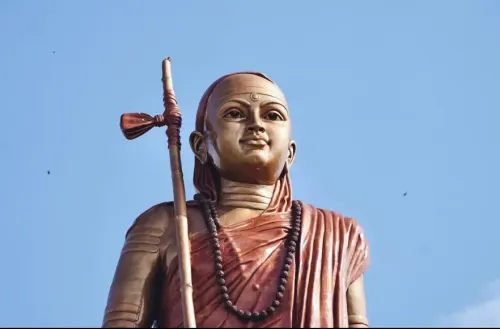
Adi Shankaracharya , the 8th-century philosopher , is credited with formalising the pilgrimage to unify Hindu religious practice across the Indian subcontinent.
Kedarnath Temple , a Jyotirlinga over 1,000 years old, survived the catastrophic 2013 Uttarakhand floods largely intact, reinforcing its sacred status among millions of devotees.
The Gangotri Temple was built in the early 18th century by a Gorkha commander , while the Yamunotri Temple was constructed under regional rulers in the 19th century .
The Char Dham Mahamarg Vikas Pariyojana — a flagship road connectivity project — has been subject to Supreme Court of India oversight due to ecological concerns in the Himalayan zone.
Local communities in districts including Rudraprayag, Uttarkashi, and Chamoli depend heavily on the annual pilgrimage season for economic sustenance through trade and hospitality services.
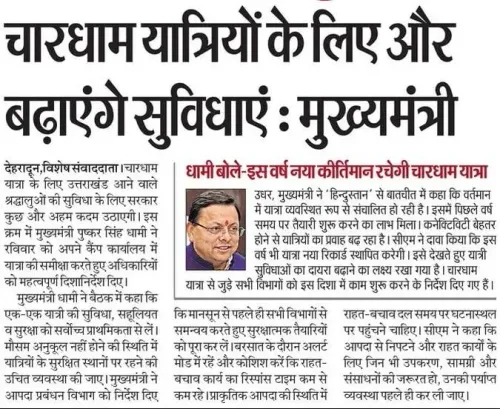
New Delhi, April 25 (NationPress) — The Char Dham Yatra, one of the most revered pilgrimages in Hinduism, encompasses four sacred shrines nestled in the Garhwal Himalayas of Uttarakhand — Yamunotri, Gangotri, Kedarnath, and Badrinath. Rooted in centuries of spiritual tradition, this pilgrimage circuit was formalised by the 8th-century philosopher-saint Adi Shankaracharya to unify Hindu religious practice across the Indian subcontinent. Today, it stands as both a living act of faith and a cornerstone of India's civilisational heritage.
Adi Shankaracharya and the Founding of the Pilgrimage Circuit
The conceptual foundation of the Char Dham Yatra is inseparable from the legacy of Adi Shankaracharya, the towering 8th-century Advaita Vedanta philosopher born in present-day Kerala. At a time when fragmented beliefs and regional religious practices threatened the cohesion of Hinduism, Shankaracharya undertook an extraordinary mission — to travel the length and breadth of India and establish a unified spiritual framework.
By weaving together four geographically distant mountain shrines into a single sacred route, he created a shared pilgrimage experience that dissolved regional, linguistic, and caste boundaries. His philosophical compositions and devotional hymns gave the pilgrimage an intellectual and spiritual depth that continues to resonate with millions of devotees today. The samadhi (resting place) of Shankaracharya located near Kedarnath Temple stands as a permanent reminder of his profound connection to this sacred land.
Yamunotri and Gangotri: The River Shrines
The Char Dham circuit traditionally commences at Yamunotri, the sacred origin point of the Yamuna River and the abode of Goddess Yamuna. The present temple structure was erected in the 19th century under the patronage of regional rulers, though the site's spiritual sanctity predates recorded history. The famed Surya Kund — a natural thermal spring where pilgrims cook offerings of rice and potatoes — has long been associated with purification and divine healing.
The second destination, Gangotri, marks the mythological and geographical source of the River Ganga, India's most sacred waterway. Ancient Hindu texts narrate the story of King Bhagirath, who performed extraordinary penance at this very site to bring the celestial Ganga down to Earth, seeking liberation for his forebears. The existing Gangotri Temple was constructed in the early 18th century by a Gorkha military commander, reflecting a legacy of both royal devotion and strategic patronage. The shrine continues to embody the eternal themes of penance, sacrifice, and divine compassion.
Kedarnath: The Ancient Shiva Shrine Above 3,500 Metres
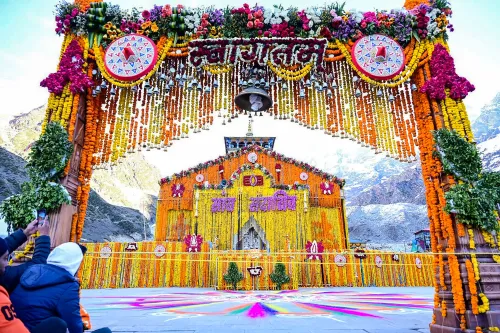
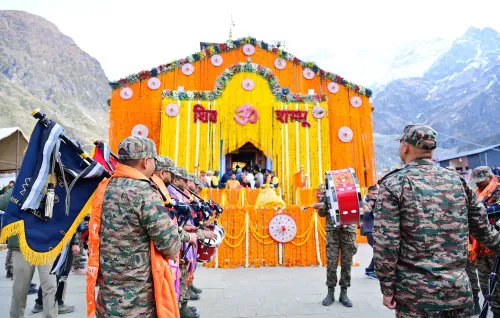
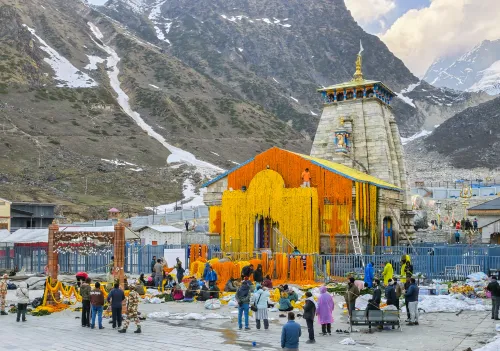
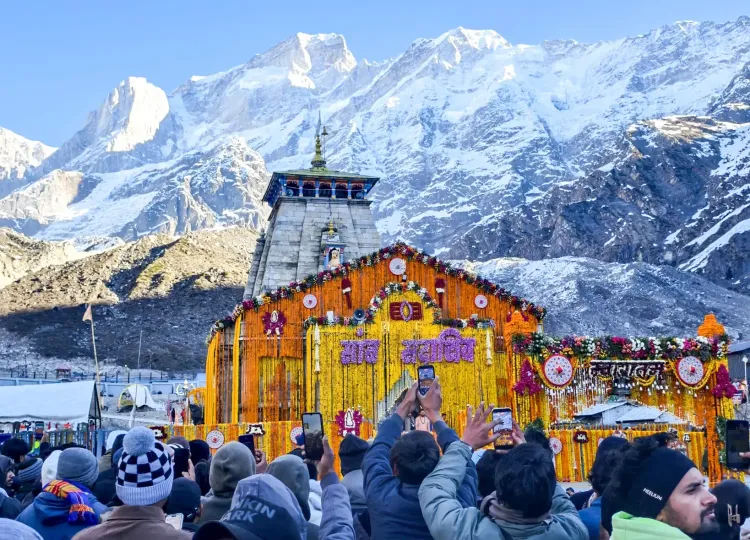
Kedarnath Temple, dedicated to Lord Shiva, is among the oldest and most architecturally remarkable pilgrimage sites in the entire Hindu world. Recognised as one of the twelve Jyotirlingas — the most sacred manifestations of Shiva — it commands immense theological importance. Historical accounts trace the temple's origins back over a millennium, with strong mythological connections to the Pandavas of the Mahabharata, who are believed to have sought Shiva's blessings here after the Kurukshetra War.
Situated at an elevation exceeding 3,500 metres above sea level, the temple's stone construction represents a breathtaking feat of ancient engineering. The 2013 Kedarnath floods — one of the worst natural disasters in Uttarakhand's history — devastated the surrounding region but left the main temple structure remarkably intact, an event widely interpreted by devotees as a divine sign. Restoration and infrastructure development efforts have since been significantly accelerated under central government initiatives.
Badrinath: The Crown Jewel of Vaishnavite Pilgrimage
Badrinath Temple, consecrated to Lord Vishnu, is widely regarded as the most prominent of the four Char Dham shrines. References to its sanctity appear in ancient Hindu scriptures including the Puranas and the Mahabharata, placing it among the oldest documented places of worship in India. Adi Shankaracharya is credited with reviving and reinstating this shrine during the early medieval period, cementing its status as the pre-eminent centre of Vaishnavite worship in northern India.
Positioned along the banks of the Alaknanda River and flanked by the majestic Nar and Narayan mountain ranges, Badrinath offers a setting of unparalleled natural grandeur. The temple is also part of the broader Badrinath-Kedarnath (BK) Temple Committee administrative structure, which oversees the management of these shrines under state government oversight. The annual opening and closing of the temple doors — determined by the Hindu calendar — draws massive crowds and media attention each year.
Cultural Legacy, Modern Infrastructure, and the Road Ahead
Beyond its spiritual dimensions, the Char Dham Yatra has historically functioned as a powerful engine of cultural exchange and economic activity across the Himalayan region. Pilgrimage routes brought together traders, scholars, and devotees from across the subcontinent, fostering a living tradition of inter-regional dialogue. Local communities along the yatra corridor — particularly in districts like Rudraprayag, Uttarkashi, and Chamoli — have long depended on the seasonal influx of pilgrims for their livelihoods.
In recent years, the Government of India has invested heavily in the Char Dham Mahamarg Vikas Pariyojana — a flagship all-weather road connectivity project — to improve access to these remote shrines. While the project has been welcomed for enhancing pilgrim safety, it has also attracted scrutiny from environmental groups and the Supreme Court of India, which has weighed in on road widening norms in ecologically sensitive Himalayan zones. This tension between development and conservation remains one of the most consequential debates surrounding the yatra's future.
As the 2025 Char Dham Yatra season approaches its opening dates, devotees and administrators alike are focused on balancing the pilgrimage's ancient sanctity with the demands of a rapidly modernising infrastructure. The enduring draw of these four Himalayan shrines — unchanged in spiritual essence across more than twelve centuries — stands as one of the most compelling testaments to the continuity of India's civilisational faith.
Point of View
200-year-old nation-building project conceived by Adi Shankaracharya that predates modern India's own constitutional unity. What is rarely discussed is the uncomfortable tension at its heart today: the Supreme Court-monitored highway widening project that threatens fragile Himalayan ecology in the name of pilgrim convenience, even as the 2013 Kedarnath disaster demonstrated precisely what unchecked development in these mountains can unleash. The mainstream narrative celebrates the yatra's spiritual grandeur while glossing over the fact that the communities most dependent on it — small hoteliers, mule handlers, local priests — are increasingly being displaced by corporatised tourism infrastructure. India must ask whether modernising the Char Dham means preserving it, or slowly dismantling the very conditions that made it sacred.
NationPress
20 Sept 2026
Frequently Asked Questions
Who founded the Char Dham Yatra and when?
The Char Dham Yatra was formalised by Adi Shankaracharya , the 8th-century Advaita Vedanta philosopher , who linked the four Himalayan shrines into a unified pilgrimage circuit. His goal was to promote religious unity across the Indian subcontinent at a time of diverse and fragmented Hindu practices.
What are the four shrines of the Char Dham Yatra?
The four shrines are Yamunotri (dedicated to Goddess Yamuna), Gangotri (source of the River Ganga), Kedarnath (a Jyotirlinga of Lord Shiva), and Badrinath (dedicated to Lord Vishnu). All four are located in the Garhwal Himalayas of Uttarakhand , India.
Why is Kedarnath considered so historically significant?
Kedarnath Temple is one of the twelve Jyotirlingas of Lord Shiva and is believed to be over a millennium old, with mythological connections to the Pandavas of the Mahabharata . Situated above 3,500 metres , its survival of the devastating 2013 Uttarakhand floods largely intact has deepened its spiritual reverence among devotees.
When does the Char Dham Yatra season open in 2025?
The Char Dham Yatra 2025 season opening dates are determined by the Hindu calendar and announced by temple committees, typically falling between April and May . Pilgrims are advised to monitor official announcements from the Badrinath-Kedarnath Temple Committee and the Uttarakhand government for confirmed dates.
What is the Char Dham all-weather road project?
The Char Dham Mahamarg Vikas Pariyojana is a Government of India infrastructure initiative to build all-weather road connectivity to the four Char Dham shrines. The project has faced legal scrutiny from the Supreme Court of India over environmental concerns related to road widening in ecologically sensitive Himalayan terrain.