CM Office Uttarakhand Highlights Fish Farmer from Champawat
Synopsis
The Chief Minister's Office of Uttarakhand has highlighted Champawat villager Satish Singh Rekudi's fish farming as proof that government schemes are strengthening rural livelihoods in the hill state's terrain-challenged districts.
Key Takeaways
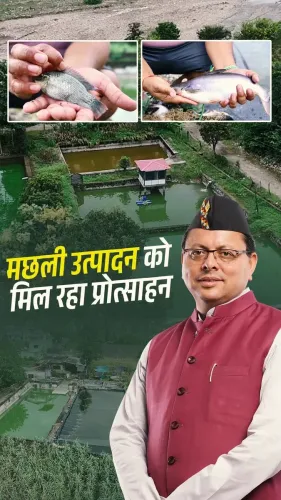
The Chief Minister's Office of Uttarakhand shared a video post on 7 June 2026 featuring fish farmer Satish Singh Rekudi from Champawat .
Satish Singh Rekudi is practising aquaculture in his own village, with his livelihood supported by government schemes.
The Pradhan Mantri Matsya Sampada Yojana , launched in 2020 , is the key central scheme promoting aquaculture and rural employment in districts like Champawat.
Uttarakhand has been promoting inland fisheries in hilly districts since the early 2010s to diversify rural incomes.
Champawat is part of the Kumaon region, where terrain and out-migration make allied livelihoods like fish farming especially valuable.
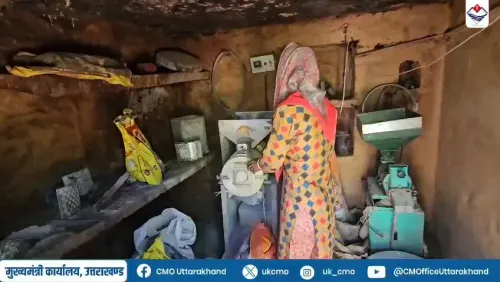
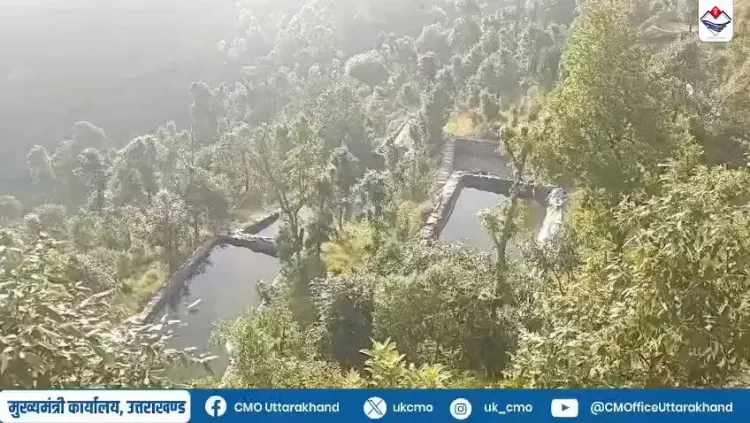
The Chief Minister's Office of Uttarakhand on Sunday, 7 June 2026, highlighted the story of Satish Singh Rekudi of Champawat, a villager who has taken up fish farming and whose livelihood has been strengthened through government schemes. The post, shared on the official CMO handle, positions the case as an example of rural employment generation through allied agricultural activities in the hill state.
Context
The CMO's post, originally in Hindi, states: 'Champawat ke Satish Singh Rekudi apne gaon mein kar rahe matsya palan. Sarkari yojnaon se gramin aajivika ho rahi mazboot.' Translated, this reads: 'Satish Singh Rekudi of Champawat is engaged in fish farming in his village. Rural livelihoods are being strengthened through government schemes.' The post was accompanied by a video and tagged with #RuralEmployment, #Champawat, and #Uttarakhand.
Champawat is a district in the Kumaon region of Uttarakhand, where the economy depends primarily on agriculture, horticulture, and allied activities such as fisheries. Like many hilly districts in the state, Champawat faces constraints of terrain and out-migration that limit the scope of conventional farming, making allied livelihoods such as aquaculture increasingly relevant.
Policy Backdrop
The case of Rekudi aligns with the Pradhan Mantri Matsya Sampada Yojana (PMMSY), the central government scheme launched in 2020 to boost fish production, modernise the fisheries value chain, and generate rural employment through aquaculture. The scheme provides financial assistance to fish farmers for infrastructure, inputs, and training, with a focus on underserved and hilly regions.
Uttarakhand has also promoted inland fisheries as part of its own state rural development programmes since the early 2010s, specifically to diversify incomes in districts where traditional agriculture is constrained by geography. The state's fisheries department has periodically extended support for pond construction, fingerling supply, and technical guidance to farmers in districts including Champawat.
Stakeholders and Impact
The immediate beneficiary highlighted in the post is Satish Singh Rekudi, a resident of a village in Champawat district, whose adoption of fish farming illustrates the on-ground uptake of these schemes. For rural communities in hilly Uttarakhand, aquaculture offers a supplementary or primary income source that does not require large tracts of flat land, making it particularly suited to the terrain.
The broader stakeholder group includes fish farmers and rural households across Champawat and similar districts who stand to benefit from scheme outreach. State governments have consistently used individual beneficiary stories in official communications to encourage wider adoption of allied agricultural activities, particularly among households that have seen working-age members migrate to urban centres.
What's Next
Attention will now turn to the Uttarakhand fisheries department's budget allocations in subsequent fiscal years and any district-level expansion of PMMSY components in Kumaon and the Garhwal divisions. Wider coverage of such beneficiary profiles by the CMO is likely to accompany state-level reviews of rural livelihood schemes. The success of individual cases like Rekudi's could inform decisions on scaling aquaculture support in terrain-challenged hill districts across the state.
Point of View
Showcasing aquaculture as a viable livelihood signals the state's intent to anchor rural populations through allied agriculture. The post also serves as implicit advocacy for continued or expanded funding under the Pradhan Mantri Matsya Sampada Yojana at the district level. Whether such individual success stories translate into measurable district-wide uptake will depend on the fisheries department's outreach capacity and budget in the coming fiscal cycle.
NationPress
22 Oct 2026
Frequently Asked Questions
What government scheme is helping fish farmers in Uttarakhand?
The Pradhan Mantri Matsya Sampada Yojana (PMMSY) , launched in 2020 , is the primary central scheme supporting fish farmers in Uttarakhand by providing financial assistance for infrastructure, inputs, and training in aquaculture.
Who is Satish Singh Rekudi from Champawat?
Satish Singh Rekudi is a villager from Champawat district in Uttarakhand who has taken up fish farming and was highlighted by the Chief Minister's Office as an example of rural livelihoods being strengthened through government schemes.
Why is fish farming promoted in hilly districts of Uttarakhand?
Fish farming is promoted in hilly districts like Champawat because the terrain limits conventional agriculture, and aquaculture offers a viable supplementary or primary income that does not require large flat land areas.
What is Champawat district known for?
Champawat is a district in Uttarakhand's Kumaon region, known for an economy based on agriculture, horticulture, and allied activities including fisheries. It faces challenges of difficult terrain and rural out-migration.
How long has Uttarakhand been promoting inland fisheries?
Uttarakhand has been promoting inland fisheries as part of state rural development programmes since the early 2010s , aiming to diversify incomes in hilly districts where traditional farming faces geographical constraints.