CM Uttarakhand: SBI RSETI Skilling Youths in Champawat
Synopsis
The Uttarakhand CMO spotlighted SBI RSETI vocational training in Champawat district on 4 July 2026, saying rural youth are becoming self-reliant and self-employment is gaining new strength — part of a broader push to curb out-migration from hill districts through bank-led skilling.
Key Takeaways
The Uttarakhand Chief Minister's Office highlighted SBI RSETI skill training in Champawat district on 4 July 2026 .
SBI RSETIs provide free short-duration vocational training to rural youth, integrated with the National Rural Livelihoods Mission since 2007.
Champawat is a rural Kumaon district historically marked by high out-migration and limited local employment.
Trainees are guided toward bank credit and government subsidies to launch micro-enterprises after completing courses.
Uttarakhand links RSETI training with state livelihood schemes, pairing skill certification with self-employment credit linkages.
Scaling the model across hill districts could help address the state's long-running 'ghost villages' crisis driven by youth out-migration.
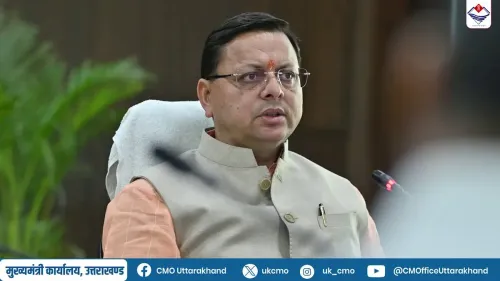
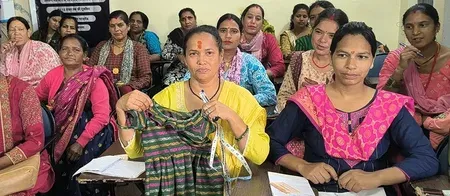
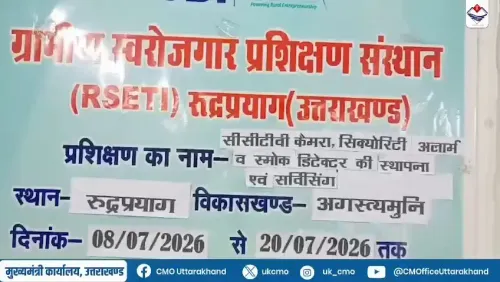
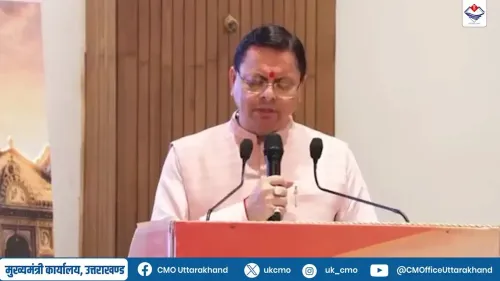
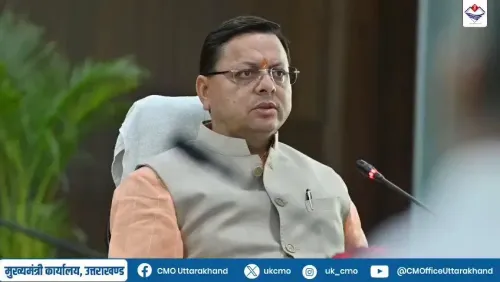
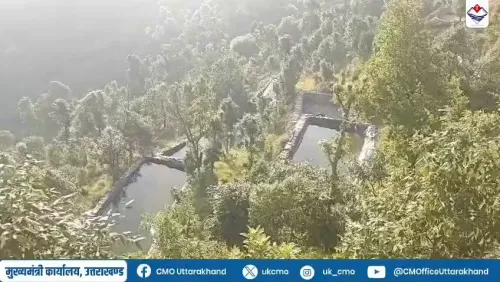
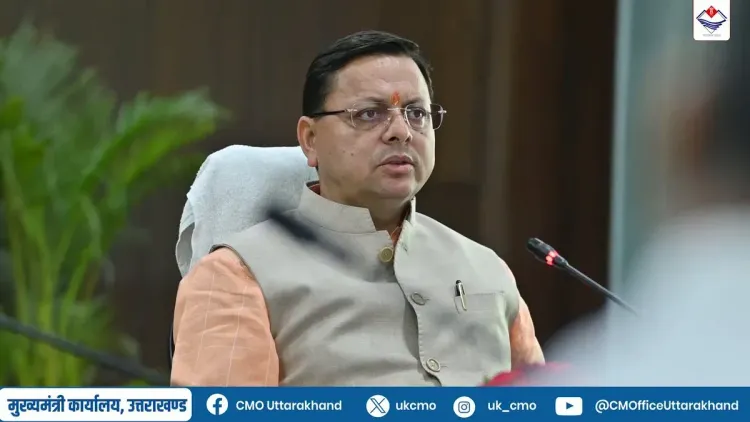
The Chief Minister's Office of Uttarakhand on Saturday, 4 July 2026 highlighted how SBI RSETI (Rural Self Employment Training Institute) skill-training programmes in Champawat district are enabling rural youth to become self-reliant and strengthening the local self-employment ecosystem.
The post, shared in Hindi, stated: 'जनपद चम्पावत में एसबीआई आरसेटी के कौशल प्रशिक्षण से आत्मनिर्भर बन रहे युवा, स्वरोजगार को मिल रही नई मजबूती' — 'Youth in Champawat district are becoming self-reliant through SBI RSETI skill training; self-employment is gaining new strength.'
Context
Champawat is one of Uttarakhand's 13 districts situated in the Kumaon region. It has a predominantly rural population with historically high dependence on subsistence agriculture and seasonal out-migration for livelihoods. Skill-deficit and lack of local employment opportunities have long driven working-age youth away from the district toward urban centres. The CMO's post signals the state government's intent to spotlight grassroots skilling outcomes in such remote hill districts, framing RSETI-led training as a direct counter to the out-migration challenge.Policy Backdrop
SBI RSETI is part of a national network of Rural Self Employment Training Institutes operated by public-sector bank branches. The Ministry of Rural Development began promoting bank-led RSETIs in 2007, and the model was later integrated with the National Rural Livelihoods Mission (NRLM) to ensure credit linkage alongside training. RSETIs offer free, short-duration vocational courses — typically spanning two to six weeks — designed to equip rural youth with market-relevant skills and the confidence to launch micro-enterprises. Participants are also guided toward bank credit and government subsidy schemes to fund their ventures after graduation. Uttarakhand has consistently aligned RSETI-style training with its own state livelihood missions, pairing skill certification with access to self-employment subsidies and bank credit linkages. The state's hill geography makes institution-based, district-level training centres especially significant, as they reduce the need for youth to travel to urban training hubs.Stakeholders and Impact
The primary beneficiaries are rural youth in Champawat — including first-generation entrepreneurs and women from agrarian households — who gain structured vocational skills without bearing any training cost. Successful trainees can access collateral-free micro-credit to start small businesses in sectors such as tailoring, food processing, animal husbandry, and repair services. Local economies also stand to benefit. When trained youth establish micro-enterprises within the district, spending and employment circulate locally rather than being exported to cities. For Uttarakhand, which has faced persistent concern over 'ghost villages' emptied by out-migration, every self-employment unit created in a hill district carries demographic and social significance beyond its economic value. Banks, including State Bank of India, benefit from an expanded base of creditworthy rural borrowers, improving priority-sector lending metrics while deepening financial inclusion in underserved geographies.What's Next
Attention will now turn to whether the state government announces additional RSETI training batches or enhanced credit-linkage targets for Champawat and other hill districts in the current financial year. State budget allocations for livelihood missions and any new performance benchmarks for RSETI centres will be key indicators of how seriously the government intends to scale this model. If the Champawat RSETI model demonstrates measurable reductions in youth out-migration, it could serve as a template for replication across Uttarakhand's more remote districts — making the outcomes from this district a closely watched data point for policymakers across hill states.Point of View
As a small and relatively under-reported hill district, is a credible choice: spotlighting it signals reach rather than just urban-centric optics. The framing aligns with a broader national arc in which state governments increasingly present RSETI and NRLM outcomes as proof of the 'Atmanirbhar Bharat' agenda working at the grassroots. The real test, however, lies in verifiable placement and enterprise-survival data — metrics the post does not provide and which remain the critical gap between communication and demonstrated impact.
NationPress
3 Oct 2026
Frequently Asked Questions
What is SBI RSETI and how does it work in Uttarakhand?
SBI RSETI (Rural Self Employment Training Institute) is a free vocational training centre run by State Bank of India branches. In Uttarakhand, these institutes offer short-duration skill courses to rural youth and connect graduates with bank credit and government subsidies to start micro-enterprises.
Where is Champawat district and why is youth employment important there?
Champawat is a rural district in Uttarakhand's Kumaon region. It has historically seen high out-migration because of limited local jobs, making skill-based self-employment programmes especially important for retaining working-age youth in the district.
What kind of training does RSETI provide to rural youth?
RSETI courses typically last two to six weeks and cover market-relevant vocational skills such as tailoring, food processing, animal husbandry, and repair services. Training is free of cost, and participants are supported in accessing collateral-free micro-credit afterward.
How is RSETI linked to national rural livelihood schemes?
The Ministry of Rural Development integrated the RSETI model with the National Rural Livelihoods Mission (NRLM) after 2007, ensuring that skill training is paired with credit linkages and subsidy access to improve the chances of trainees successfully starting businesses.
What is the Uttarakhand government doing to reduce youth out-migration?
Uttarakhand has aligned RSETI training with its own state livelihood missions, pairing skill certification with self-employment subsidies and bank credit. Spotlighting district-level outcomes, as the CMO did for Champawat, is part of a broader strategy to demonstrate and scale grassroots employment creation in hill districts.