PM Vishwakarma Yojana transforms livelihoods in Chamoli, Uttarakhand
Synopsis
In Chamoli — a remote border district of Uttarakhand — the PM Vishwakarma Yojana is doing what most government schemes struggle to: reaching the last mile. Free residential training, toolkits on completion, and collateral-free loans are turning traditional artisans into micro-entrepreneurs, with tailoring and knitting leading the charge at the RSETI Gopeshwar centre.
Key Takeaways
The PM Vishwakarma Yojana is providing free residential skill training to artisans and youth in Chamoli district , Uttarakhand.
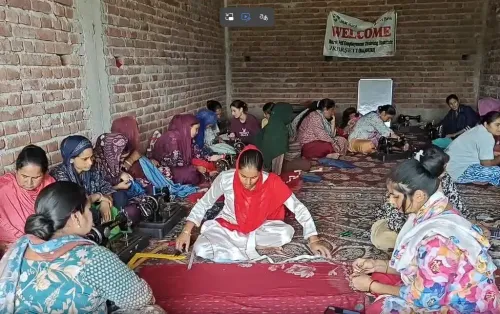
Training in tailoring and knitting is currently underway at the SBI RSETI centre in Gopeshwar .
Beneficiaries receive a free toolkit upon completing the training programme.
The scheme includes provisions for collateral-free loans to help trainees launch self-employment ventures.
District Coordinator Saurabh Chandra Sanu confirmed the scheme covers eligible residents and encouraged wider participation.
The initiative aims to curb out-migration from hill districts by creating local livelihood opportunities.
The Central Government's Pradhan Mantri Vishwakarma Yojana is reshaping self-employment prospects in Chamoli, a border district of Uttarakhand, by equipping local artisans and youth with free, residential skill training. The scheme is enabling residents to convert traditional crafts into sustainable income sources, with training currently underway at the SBI Rural Self-Employment Training Institute (RSETI) in Gopeshwar.
Training on the Ground
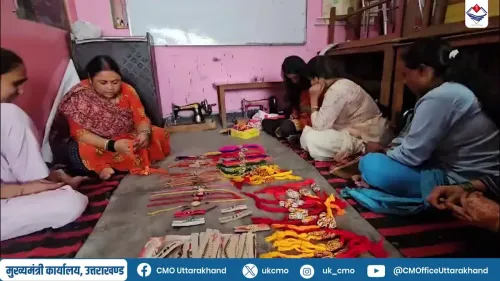
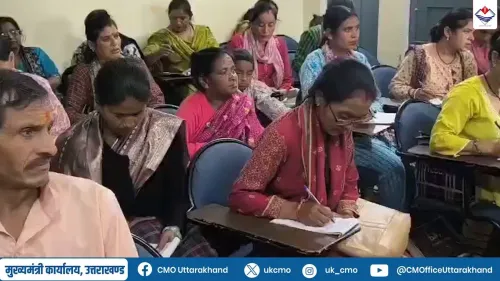
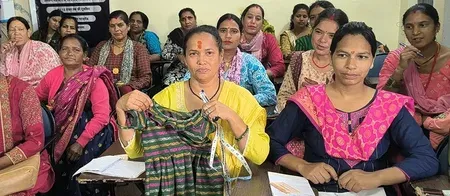
At the RSETI Gopeshwar centre, participants are receiving structured instruction in tailoring and knitting — covering foundational techniques as well as the finer nuances required for market-ready, high-quality output. The curriculum is designed to align trainees' existing abilities with current market demands, giving them a practical pathway toward independent ventures.
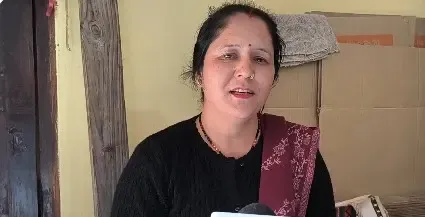
Beneficiaries have expressed enthusiasm about the no-cost training. Usha, one of the scheme's beneficiaries in Chamoli, said she has been receiving free training under the initiative. 'This training provides an opportunity to learn the intricacies of tailoring and knitting, thereby enhancing my skills,' she said, adding that she hopes to launch her own self-employment venture once the programme concludes.
What the Scheme Provides
Saurabh Chandra Sanu, District Coordinator for the PM Vishwakarma Yojana in Chamoli, confirmed that eligible beneficiaries receive free residential training under the scheme. Upon completion, each trainee is provided a free toolkit to immediately apply the skills acquired.
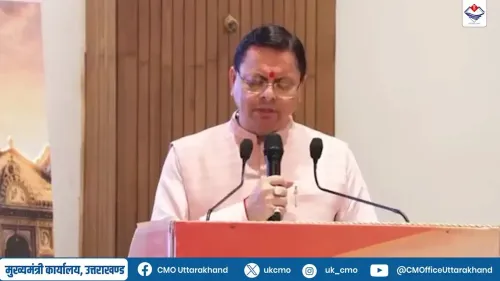
Sanu further noted that the scheme includes provisions for collateral-free loans to support self-employment, enabling trained individuals to start their own businesses and convert their craft into a steady income stream. 'This is a highly beneficial scheme and people should take advantage of it to further hone their skills,' he said.
Scheme's Broader Objective
The PM Vishwakarma Yojana, launched by the Centre, aims to bring small artisans and traditional craftspeople under a single umbrella — offering them formal recognition, financial support, skill upgradation, and linkages to wider, including global, markets. Chamoli's experience reflects the scheme's intent to reach border and remote districts where formal employment opportunities have historically been limited.
This comes amid a broader push by the Centre to reduce out-migration from hill districts in Uttarakhand by creating viable local livelihood options. Chamoli, which shares a border with Tibet, has seen significant youth migration to urban centres in search of work — a trend the scheme aims to reverse, at least in part.
Impact and Road Ahead
With free training, toolkits, and access to credit, beneficiaries in Chamoli are positioned to start micro-enterprises in tailoring, knitting, and allied trades. If uptake scales, the model could serve as a replicable template for other remote districts across the state. Officials have encouraged those with traditional skills to register and participate before the current training cohort closes.
Point of View
But it is not yet proof of scale. The PM Vishwakarma Yojana's design — free training, toolkit, credit access — is structurally sound, but the scheme's real test will be post-training survival rates: how many beneficiaries are still running viable micro-enterprises six months after the toolkit is handed over. Uttarakhand's hill districts have seen multiple skill-training drives over the years; most faltered at the market-linkage stage. Without a credible follow-up mechanism that tracks income outcomes rather than enrolment numbers, this risks being another well-intentioned programme measured by inputs rather than impact.
NationPress
27 Sept 2026
Frequently Asked Questions
What is the PM Vishwakarma Yojana?
The Pradhan Mantri Vishwakarma Yojana is a Central Government scheme designed to empower traditional artisans and craftspeople by providing free skill training, toolkits, and access to collateral-free loans. Its core objective is to bring small artisans under a formal support framework and connect them with broader markets.
What training is being offered in Chamoli under the scheme?
At the SBI RSETI centre in Gopeshwar, Chamoli, beneficiaries are currently being trained in tailoring and knitting. The curriculum covers both foundational techniques and advanced skills to ensure market-ready output and viable self-employment.
What do beneficiaries receive after completing the training?
Upon completing the training programme, beneficiaries receive a free toolkit relevant to their trade, enabling them to immediately put their newly acquired skills to use. The scheme also provides access to loans to help them start or scale their own businesses.
Who is eligible for the PM Vishwakarma Yojana in Chamoli?
Eligible residents of Chamoli district who possess traditional skills or crafts can enrol in the scheme. District Coordinator Saurabh Chandra Sanu has encouraged all qualifying individuals to register and take advantage of the free residential training on offer.
Why is the scheme significant for border districts like Chamoli?
Chamoli, a border district sharing proximity with Tibet, has historically faced limited formal employment opportunities, driving youth migration to urban centres. The PM Vishwakarma Yojana aims to create local livelihood options, potentially reducing out-migration by enabling artisans to earn from their traditional skills within their home district.