CM Dhami Pushes Skill Training Drive for Uttarakhand Youth
Synopsis
CM Pushkar Singh Dhami's government is pushing skill training and self-employment schemes for youth in Uttarakhand, with Champawat district named as a focus area in the latest CMO communication dated 22 October 2026.
Key Takeaways
The Uttarakhand CMO reaffirmed the state government's commitment to skill-based youth employment on 22 October 2026 .
Chief Minister Pushkar Singh Dhami has led Uttarakhand since 2021 , with youth employment framed as a central governance priority.
Champawat district is specifically highlighted as a target area for vocational training and self-employment outreach.
The initiative addresses both wage employment and swarojgar (self-employment), recognising the unique economic geography of hill districts.
Youth out-migration from Uttarakhand's hill districts is the structural problem this skill-training push aims to tackle.
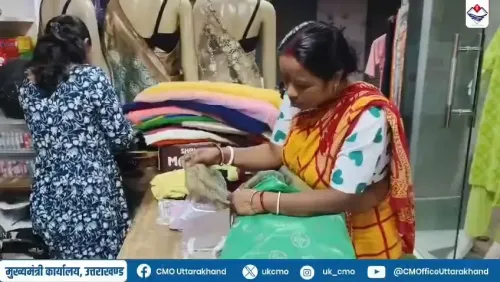
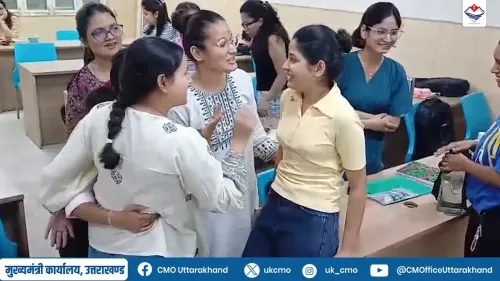
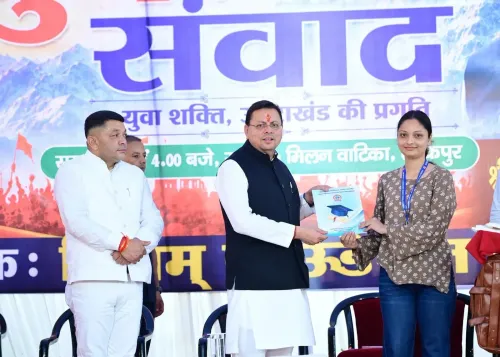
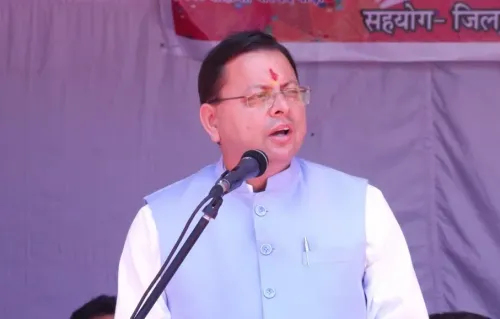
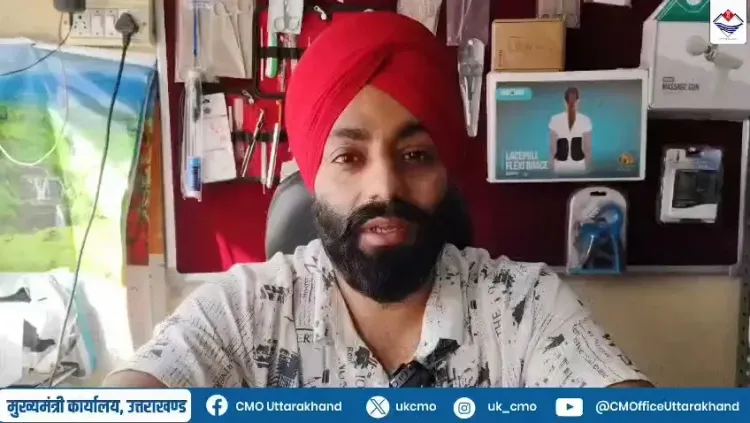
In a state where young people have long packed their bags for plains cities in search of work, Chief Minister Pushkar Singh Dhami is betting on skill training to reverse the tide — and Champawat district is squarely in the crosshairs of that effort. The Chief Minister's Office of Uttarakhand reaffirmed on Thursday, 22 October 2026 that the state government remains actively engaged in connecting youth with both employment and self-employment opportunities through targeted vocational training.
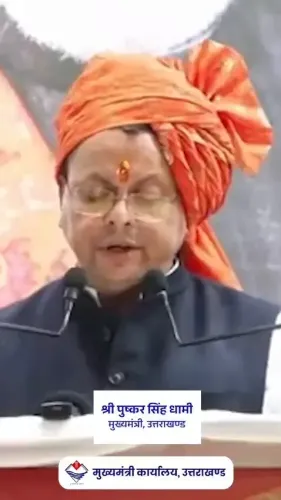
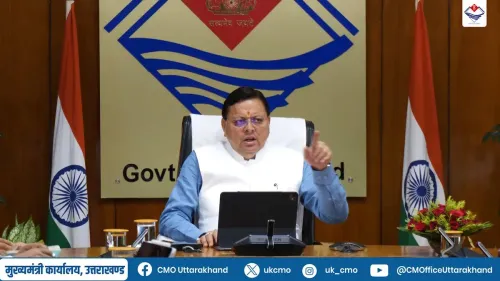
The CMO's post stated: 'Mukhyamantri Shri Pushkar Singh Dhami ke netritva mein pradesh sarkar yuvaon ko kaushal prashikshan dekar rojgar aur swarojgar ke avasaron se jodne ke liye nirantar prayasrat hai' — ('Under the leadership of Chief Minister Shri Pushkar Singh Dhami, the state government is continuously working to connect youth with employment and self-employment opportunities through skill training.')Why Champawat is the Focus
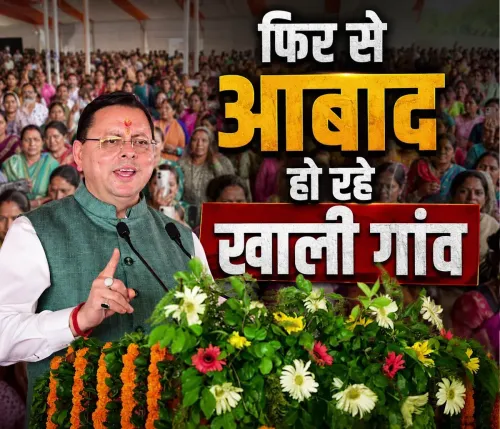
Champawat is one of Uttarakhand's smaller hill districts — and precisely the kind of place where youth out-migration has hollowed out communities for decades. Young people leave not because they want to, but because the local economy offers few rungs to climb. Targeting districts like Champawat with vocational outreach is a direct response to that structural problem: build the skill where the person is, rather than waiting for them to find it elsewhere. The broader pattern here is deliberate. Uttarakhand's hill geography makes centralised job creation difficult, which makes self-employment — a mechanic, a craftsperson, an agri-entrepreneur — a more durable and scalable solution than large factory-floor employment. Skill programs that orient youth toward swarojgar (self-employment) rather than just wage jobs carry a different logic: they root economic activity in the community itself.Dhami's Employment Push in Context
Chief Minister Pushkar Singh Dhami, who has helmed the state since 2021, has consistently framed youth employment as a governance priority. Skill-linked employment messaging from his office has accompanied district-level outreach under both central frameworks and state-designed programs. The explicit mention of Champawat in this communication signals district-specific momentum — even if granular enrollment or placement figures are yet to be publicly confirmed. The stakes are real. A state that loses its educated young workforce to migration does not just face an economic problem; it faces a demographic one. Every district-level skill centre that works is also an argument — quiet but powerful — that you do not have to leave Uttarakhand to build a future.Point of View
The Dhami administration signals district-level granularity in its outreach, moving beyond generic state-wide announcements. The emphasis on self-employment alongside wage jobs reflects a pragmatic acknowledgement: Uttarakhand's terrain limits large-employer job creation, making entrepreneurship-oriented skilling a more sustainable bet. Whether this round of messaging translates into measurable placement figures will be the real test of intent.
NationPress
22 Oct 2026
Frequently Asked Questions
What is the Uttarakhand government doing for youth employment in 2026?
The Uttarakhand government under CM Pushkar Singh Dhami is running skill training programs to connect youth with employment and self-employment opportunities, with Champawat among the districts highlighted for focused outreach.
Why is Champawat district mentioned in Uttarakhand skill training news?
Champawat is a hill district in Uttarakhand where youth out-migration has been a persistent challenge; the state government has specifically flagged it as a target for vocational training and self-employment initiatives.
Who is Pushkar Singh Dhami?
Pushkar Singh Dhami is the Chief Minister of Uttarakhand, serving since 2021, and has made youth employment and skill development a core focus of his administration.
What is swarojgar and why does Uttarakhand focus on it?
Swarojgar means self-employment in Hindi; Uttarakhand emphasises it because the state's hill geography limits large-scale factory or corporate job creation, making home-grown entrepreneurship a more practical path for local youth.
What skill programs are available for youth in Uttarakhand?
The Uttarakhand government implements skill training through both central government frameworks and state-designed schemes, though specific scheme names and current enrollment figures have not been confirmed in the latest CMO communication.