CM Dhami: Homestay Scheme to Stop Youth Out-Migration
Synopsis
Chief Minister Pushkar Singh Dhami on 15 June 2026 reaffirmed Uttarakhand's resolve to prevent rural youth out-migration, highlighting the state's homestay programme as a flagship scheme to generate local livelihoods in hill villages.
Key Takeaways
CM Pushkar Singh Dhami on 15 June 2026 stated that the Uttarakhand government does not want any youth to be forced to leave their village for employment.
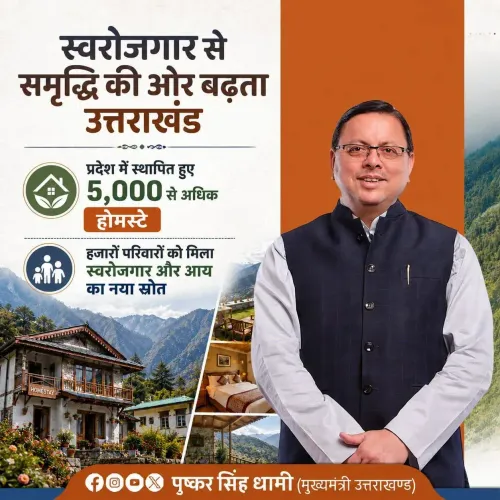
The Homestay scheme has been identified as a major government effort to create rural livelihoods and curb out-migration from hill districts.
Uttarakhand expanded homestay incentives — including subsidies, training, and registration support — under its tourism policy in 2021 , partly in response to the COVID-19 returnee wave.
Rural youth and village households are the primary target beneficiaries, with tourism income expected to replace the need to migrate to plains cities.
Similar homestay and agri-tourism models are being adopted in Himachal Pradesh and North-East India , reflecting a broader hill-state policy trend.
The next milestone to watch is the Uttarakhand Tourism Department's data on registered homestays and fresh budget allocations for village tourism infrastructure.
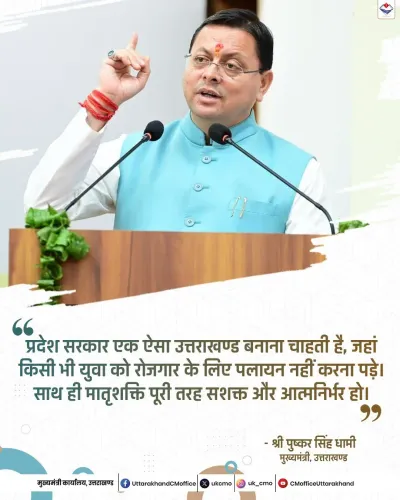
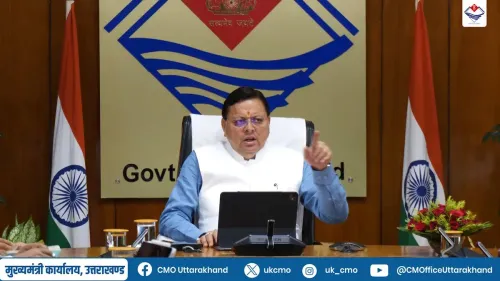
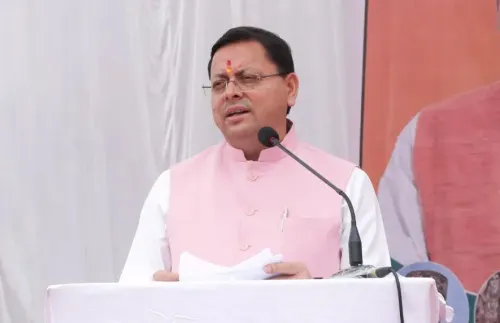
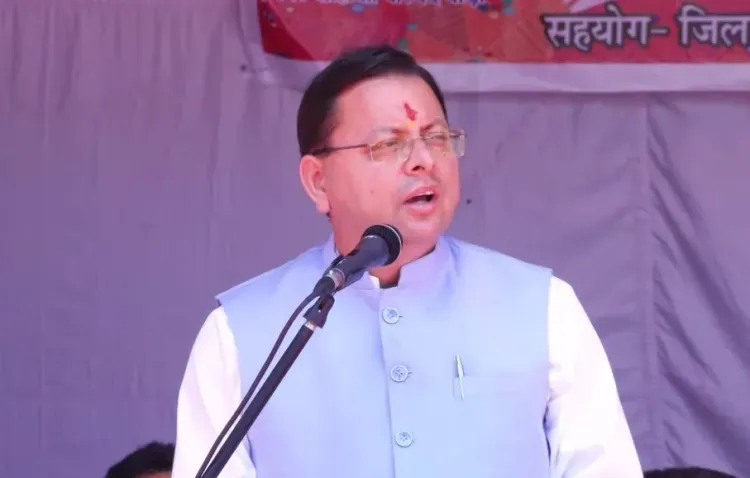
The Chief Minister's Office of Uttarakhand, on Monday, 15 June 2026, shared a statement from Chief Minister Pushkar Singh Dhami reaffirming the state government's commitment to preventing rural youth from being forced to leave their villages and ancestral homes in search of employment. The CM pointed to the homestay programme as a flagship effort in this direction.
In the post, CM Dhami is quoted as saying: 'Hum nahin chahte ki hamara koi yuva rozgar ki talash mein apna gaon aur paitrik ghar chhodne ke liye badhya ho.' ('We do not want any of our youth to be compelled to leave their village and ancestral home in search of employment.') He added that various schemes are being run to address this, and that the Homestay scheme is a major effort in that direction.
Context
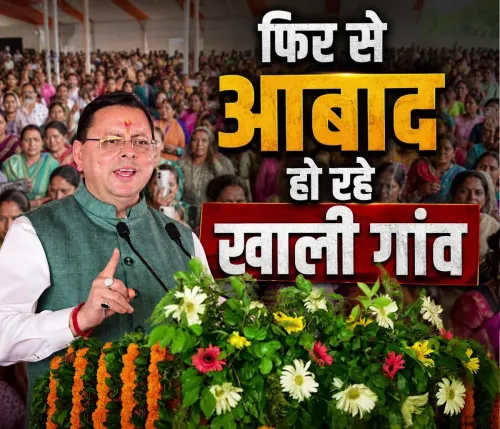
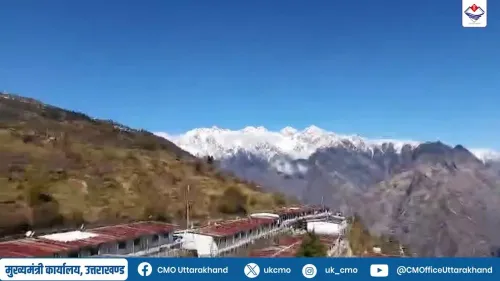
Uttarakhand, a Himalayan state with a largely rural and mountainous geography, has historically experienced persistent out-migration from hill districts to plains cities such as Dehradun, Haridwar, and metros like Delhi. The primary driver is the scarcity of year-round, non-farm employment in remote villages. This demographic drain has left many hill settlements with ageing populations and underutilised land.
The problem acquired fresh urgency during and after the COVID-19 pandemic, when a large wave of migrants returned to their native villages, briefly reversing the trend. State administrations since then have sought to convert that returnee wave into a permanent shift by creating viable rural livelihoods.
Policy Backdrop
In 2021, the Uttarakhand government expanded its self-employment and tourism policy to include enhanced incentives for the homestay sector — offering subsidies, training, and registration support to village households willing to convert their homes into tourist accommodations. The initiative is designed to plug rural youth into the state's growing adventure and leisure tourism economy without requiring them to relocate.
CM Dhami, who has been in office since 2021, has repeatedly positioned anti-out-migration schemes as a core governance priority. The homestay model fits within a broader framework that treats rural tourism enterprises as instruments of economic anchoring — keeping families intact while generating service-sector income in situ.
Stakeholders and Impact
The primary beneficiaries are rural youth and village households across Uttarakhand's hill districts. A registered homestay allows a family to earn supplementary or primary income from domestic and international tourists visiting the state's trekking routes, pilgrimage circuits, and eco-tourism destinations, without the household having to uproot itself.
The model also has a wider economic multiplier: local produce, handicrafts, and cultural experiences become saleable assets when a village enters the tourism economy. Himachal Pradesh and several states in North-East India are pursuing comparable agri-tourism and homestay models, making Uttarakhand's programme part of a broader hill-state policy convergence.
What's Next
Observers will watch for the Uttarakhand Tourism Department's next data release on registered homestays and any fresh budget allocations for village-level tourism infrastructure in the upcoming fiscal cycle. The government's ability to scale registration, training, and digital marketing support for homestay operators will determine whether the scheme translates CM Dhami's stated intent into measurable reductions in out-migration from hill districts.
If the programme gains traction, it could serve as a replicable template for other Himalayan states grappling with the same structural challenge of rural depopulation.
Point of View
Not merely a developmental concern. By foregrounding the homestay scheme, the government is betting that supply-side tourism infrastructure can substitute for the structural absence of industrial or formal-sector jobs in hill districts — a wager that has had mixed results across comparable Himalayan economies. The statement also fits a pattern of the Dhami administration using social media to reinforce welfare-oriented messaging ahead of periodic policy reviews and budget cycles. Whether the scheme achieves scale will depend on demand-side factors — tourist footfall, digital discovery, and road connectivity — that lie partly outside the tourism department's direct control.
NationPress
14 Sept 2026
Frequently Asked Questions
What is the Uttarakhand homestay scheme?
The Uttarakhand homestay scheme allows village households to register their homes as tourist accommodations and receive government subsidies, training, and registration support to generate local income without migrating to cities.
Why is out-migration a problem in Uttarakhand?
Uttarakhand's hill districts have limited year-round, non-farm employment, which has historically pushed rural youth to migrate to plains cities and metros, leaving villages with ageing populations and underutilised land.
What did CM Pushkar Singh Dhami say about the homestay scheme?
On 15 June 2026, CM Dhami stated that the government does not want any youth to be forced to leave their village and ancestral home for employment, and called the homestay scheme a major effort to address this through various government programmes.
When did Uttarakhand expand its homestay incentives?
The Uttarakhand government expanded homestay incentives under its tourism policy in 2021, partly to provide livelihoods to migrants who had returned to their villages during the COVID-19 pandemic.
Which other states have similar homestay or rural tourism schemes?
Himachal Pradesh and several states in North-East India are pursuing comparable homestay and agri-tourism models, making Uttarakhand's programme part of a broader hill-state policy approach to curbing rural out-migration.