CM Dhami: Reverse Migration Rising as Jobs Open in Uttarakhand
Synopsis
Chief Minister Pushkar Singh Dhami says Uttarakhand is witnessing rising reverse migration as state-backed employment schemes in tourism, horticulture and MSMEs create new livelihood opportunities, drawing back residents who had settled in other cities.
Key Takeaways
CM Pushkar Singh Dhami stated on 21 June 2026 that reverse migration in Uttarakhand is on the rise due to government employment initiatives.
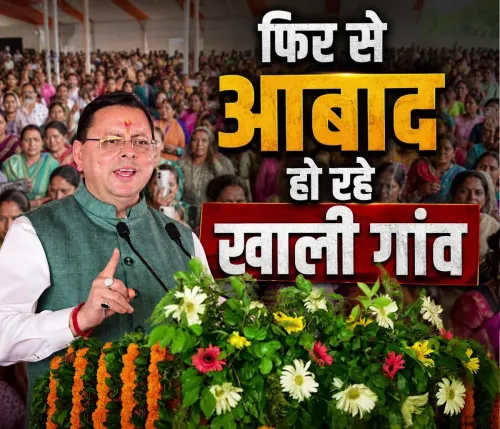
Residents who had settled in other cities are reportedly returning to their home villages and towns across the state.
The Dhami government has promoted self-employment and skill development in tourism , horticulture , and MSMEs since 2021 to create local jobs.
Uttarakhand has long faced chronic out-migration from hill districts, with some areas experiencing severe depopulation.
Verification of the reverse-migration trend will depend on forthcoming state economic surveys and district-level data.
A sustained trend, if confirmed, could position Uttarakhand as a model for other hill states tackling demographic decline.
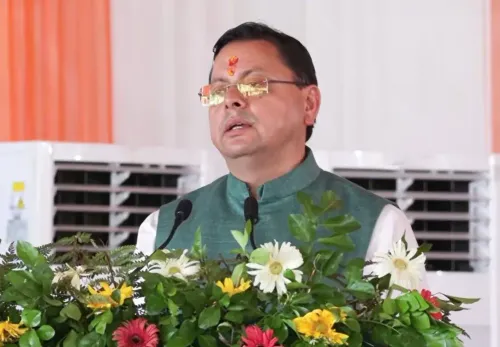
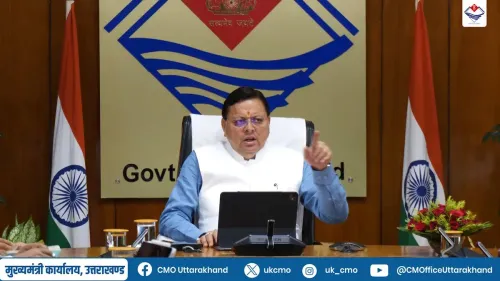
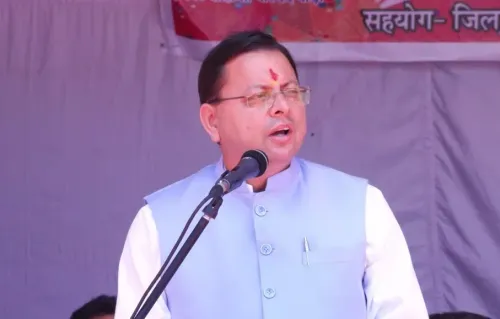
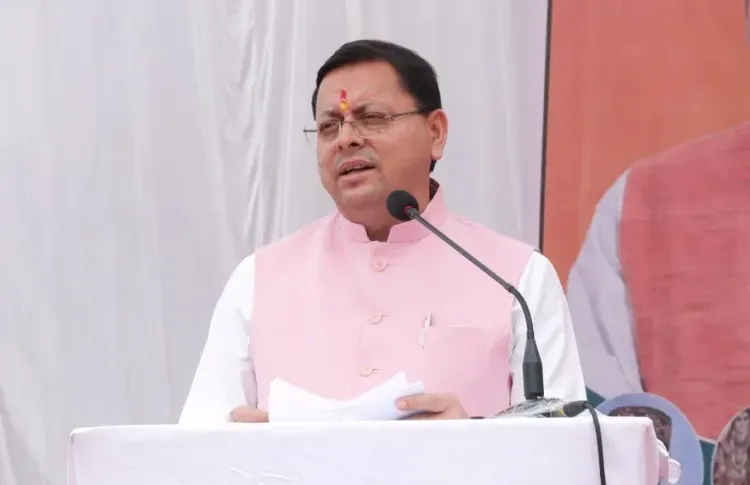
The Chief Minister's Office of Uttarakhand on Sunday, 21 June 2026, shared a statement by Chief Minister Pushkar Singh Dhami asserting that the state government's efforts have produced a measurable rise in reverse migration, with residents who had settled in other cities now returning to their home villages and towns.
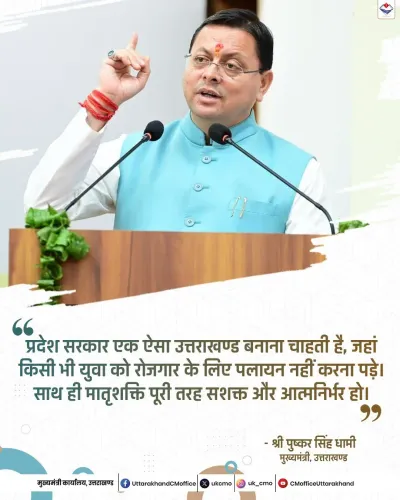
Quoting CM Dhami directly, the post stated: 'The result of our efforts is that today reverse migration has increased in the state. People who had settled in other cities are returning to their homes. Many doors of employment have opened in the state.'
Context
Uttarakhand has for decades grappled with chronic out-migration from its hill districts, where limited economic opportunity pushed working-age residents toward plains cities such as Delhi, Dehradun, and Mumbai. The phenomenon has hollowed out entire villages in the Garhwal and Kumaon divisions, straining local communities and reducing the agricultural and social fabric of the hills.
A temporary wave of reverse migration occurred during the 2020 COVID-19 lockdowns, when urban workers returned home. The current state government, led by CM Dhami since 2021, has sought to convert that emergency return into a durable demographic shift by creating local livelihoods.
Policy Backdrop
Since 2021, the Dhami government has promoted self-employment and skill development schemes targeting tourism, horticulture, and micro, small and medium enterprises (MSMEs) as pillars of rural job creation. The state has positioned its Himalayan geography as an asset for adventure tourism, homestay networks, and organic farming rather than a barrier to growth.
This approach mirrors efforts by other Indian hill states that have pursued local-livelihood policies since the 2010s to counter demographic decline. Post-pandemic recovery has intensified such sub-national strategies across the country, with state governments competing to retain younger populations through targeted industrial and agri-tourism incentives.
Stakeholders and Impact
The primary beneficiaries of any sustained reverse-migration trend would be returning migrants who gain access to family land, lower living costs, and new state-supported enterprise schemes. Rural youth who might otherwise have left for cities stand to benefit from expanded local employment pathways in sectors such as eco-tourism, dairy, and small manufacturing.
Village-level economies that have seen population decline could see revitalisation if the trend holds, easing pressure on ageing residents left behind and potentially reversing the 'ghost village' phenomenon that has been documented in parts of Pauri Garhwal and Almora districts.
What's Next
The credibility of CM Dhami's claim will be tested against forthcoming state economic surveys and district-level migration data, which analysts and opposition parties are likely to scrutinise closely. Progress on announced industrial corridors, tourism infrastructure, and MSME clusters in the hills will be the practical measure of whether the employment doors the Chief Minister describes remain open or widen further.
If verified by official data, a sustained reversal of Uttarakhand's out-migration trend could serve as a policy model for other demographically stressed hill states and reinforce the Dhami government's development narrative ahead of future electoral cycles.
Point of View
Without granular official data, the assertion remains a political narrative that opposition parties and independent researchers will be quick to interrogate. If corroborated by the next state economic survey, it would mark a genuine inflection point in one of the most persistent demographic challenges facing mountain states in India.
NationPress
19 Sept 2026
Frequently Asked Questions
What is reverse migration in Uttarakhand?
Reverse migration in Uttarakhand refers to residents who had moved to plains cities such as Delhi or Mumbai for work returning to their home villages and towns in the hill districts. CM Dhami has cited this as evidence that state employment schemes are creating viable local livelihoods.
What schemes has the Uttarakhand government launched to create jobs?
Since 2021, the Dhami government has promoted self-employment and skill development programmes focused on tourism, horticulture, and MSMEs to generate rural employment. These aim to make hill-district livelihoods competitive with urban job markets.
Why has Uttarakhand faced out-migration historically?
Uttarakhand's hill districts have long lacked industrial and service-sector employment, pushing working-age residents toward plains cities. Limited connectivity, difficult terrain, and low agricultural returns have historically made urban migration economically rational for many families.
Has reverse migration in Uttarakhand been verified by official data?
As of June 2026, CM Dhami's claim is based on the government's own assessment. Independent verification will depend on forthcoming state economic surveys and district-level migration studies, which analysts are expected to examine closely.
What is the 'ghost village' problem in Uttarakhand?
Several villages in districts such as Pauri Garhwal and Almora have been nearly abandoned due to sustained out-migration, leaving behind only elderly residents. Reversing this trend is a stated priority of the Dhami government's rural employment and return-migration push.