CM Dhami Pitches Youth Opportunity and Transparency in Uttarakhand
Synopsis
Uttarakhand Chief Minister Pushkar Singh Dhami on 23 May 2026 declared that state policies are built on opportunity, transparency, and a clear vision for youth aspirations — signalling a renewed governance push ahead of the 2026-27 budget session.
Key Takeaways
CM Pushkar Singh Dhami posted on X on 23 May 2026 affirming that Uttarakhand government policies prioritise youth opportunity, transparency, and a clear developmental vision.
The statement was accompanied by a video and posted in Hindi, broadening its reach to the state's vernacular audience.
The Mukhyamantri Yuva Swarozgar Yojana , launched in 2019 , remains the flagship self-employment support scheme underpinning such commitments.
Uttarakhand faces persistent youth out-migration from hill districts, making youth retention a central governance and electoral challenge.
The post aligns with BJP 's broader state-level messaging linking e-governance and grievance redressal to transparency for the under-35 demographic.
Budget allocations and scheme uptake data in the 2026-27 assembly session will be the key test of the government's stated youth policy vision.
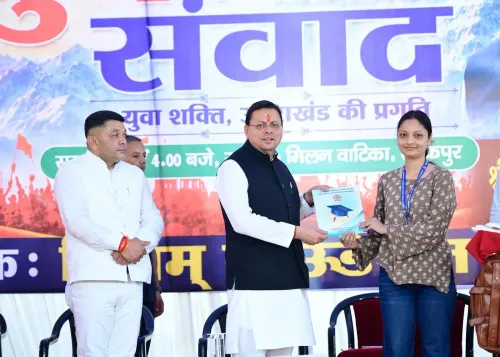
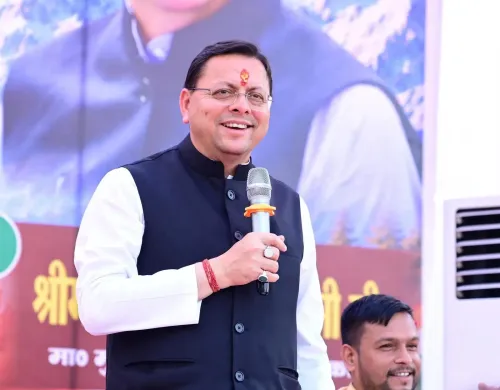
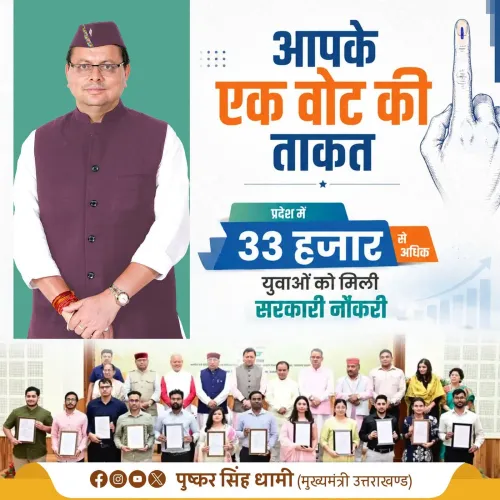
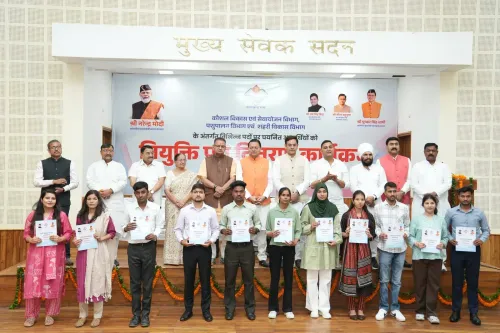
Uttarakhand Chief Minister Pushkar Singh Dhami on Saturday, 23 May 2026 reaffirmed his government's commitment to youth-centric governance, stating that state policies are designed to deliver opportunity, transparency, and a clear vision for realising the aspirations of young people.
Context
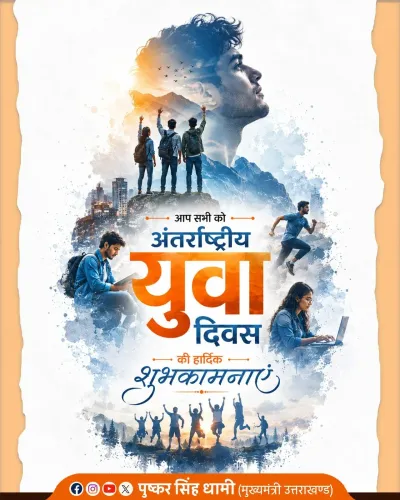
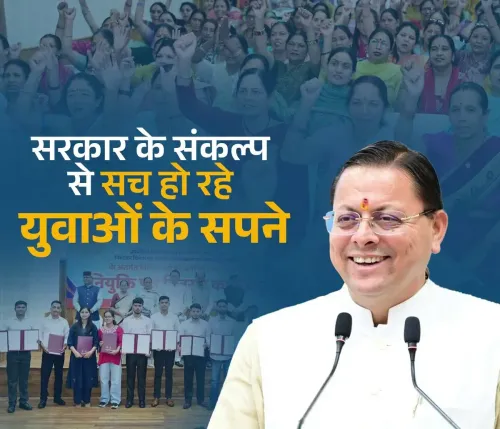
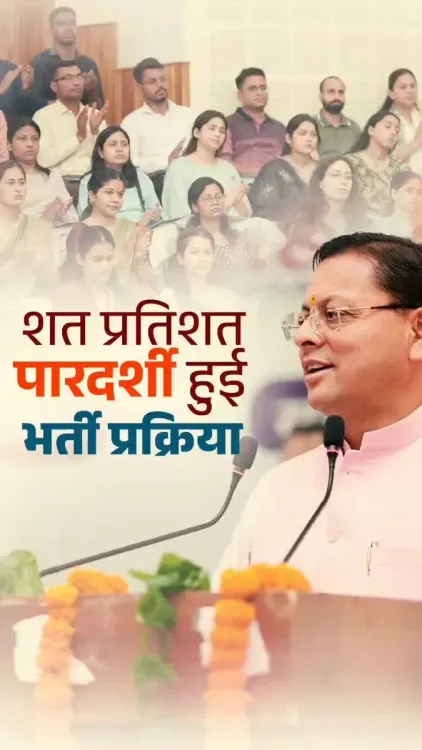
Posting on X, CM Dhami wrote in Hindi: 'हमारी नीतियों में युवाओं के लिए अवसर भी हैं, पारदर्शिता भी और उनके सपनों को साकार करने का स्पष्ट विजन भी।' ['Our policies carry opportunity for the youth, transparency as well, and a clear vision to realise their dreams.'] The statement, accompanied by a video, positions the BJP-led state government as a proactive driver of youth welfare ahead of the 2026-27 assembly budget session.
Uttarakhand has long grappled with youth out-migration — a phenomenon locally called 'palayan' — as young people leave hill districts in search of employment in the plains and metros. Addressing this structural challenge has been a consistent political and administrative priority for successive state governments.
Policy Backdrop
The Uttarakhand government launched the Mukhyamantri Yuva Swarozgar Yojana in 2019 to extend self-employment support to the state's youth, particularly in rural and semi-urban areas. The scheme is part of a broader framework that successive administrations have built around skill development, entrepreneurship, and access to institutional credit.
Under CM Dhami, the state has emphasised e-governance portals and grievance redressal systems as transparency tools — a pattern consistent with BJP-governed states that frame digital governance as a check on corruption and a facilitator of 'ease of living' for the under-35 demographic. The May 2026 post echoes this messaging, foregrounding both opportunity creation and accountability in a single frame.
The broader BJP narrative across its state governments has repeatedly linked youth welfare to governance reform — arguing that transparent systems reduce leakage in welfare delivery and lower the barrier for young entrepreneurs to access government schemes.
Stakeholders and Impact
The primary stakeholders are Uttarakhand's youth population, including young job-seekers, students, and aspiring entrepreneurs concentrated in districts such as Dehradun, Haridwar, Nainital, and the more remote hill regions. For these groups, the credibility of such policy statements rests on measurable outcomes: scheme uptake, employment numbers, and ease of access to state support.
Young entrepreneurs and first-generation business owners in the hills stand to benefit most directly if the government follows through with expanded credit access and reduced procedural friction. Civil society groups monitoring out-migration trends will watch whether the policy rhetoric translates into verifiable data from the state's labour and skill departments.
What's Next
Observers will track the 2026-27 state budget and the forthcoming assembly session for concrete allocations tied to youth employment and skill development. Scheme uptake data from the Mukhyamantri Yuva Swarozgar Yojana and allied programmes will serve as an early indicator of whether the government's stated vision is translating into ground-level impact.
If the administration backs the statement with fresh policy announcements or enhanced budgetary support, it could strengthen the BJP's positioning with the under-35 electorate in a state where demographic pressures and migration continue to shape political sentiment.
Point of View
Reminding the under-35 electorate — Uttarakhand's most politically restless demographic — that the BJP administration sees their aspirations as a governance priority, not an afterthought. The pairing of 'opportunity' with 'transparency' is deliberate: it addresses two distinct anxieties simultaneously — the scarcity of jobs and the perception of opaque, leaky welfare delivery. This framing has become a template across BJP-governed hill and semi-urban states, where educated unemployment and out-migration create a potent electoral vulnerability. The real test will come when the 2026-27 budget is tabled: whether the rhetoric is matched by fresh allocations or expanded scheme coverage will determine how durable this messaging proves with voters.
NationPress
6 Oct 2026
Frequently Asked Questions
What did Uttarakhand CM Pushkar Singh Dhami say about youth policy?
CM Dhami stated on 23 May 2026 that Uttarakhand government policies carry opportunity for the youth, transparency, and a clear vision to realise their dreams, posting the message in Hindi on X along with a video.
What is the Mukhyamantri Yuva Swarozgar Yojana in Uttarakhand?
The Mukhyamantri Yuva Swarozgar Yojana, launched in 2019, is an Uttarakhand government scheme that provides self-employment support to youth, particularly in rural and semi-urban areas of the state.
Why is youth out-migration a problem in Uttarakhand?
Uttarakhand's hilly terrain limits large-scale industry, pushing young people to migrate to plains cities for work — a challenge the state government has repeatedly cited as a key policy priority under CM Dhami.
How does the BJP government in Uttarakhand plan to improve transparency for youth?
The state has promoted e-governance portals and digital grievance redressal systems as transparency tools, aiming to reduce leakage in welfare delivery and lower barriers for young people accessing government schemes.
When is the next Uttarakhand budget session and what should youth watch for?
The 2026-27 assembly budget session is the next major milestone; observers will watch for fresh allocations to youth employment, skill development, and expanded coverage under existing self-employment schemes.