CM Dhami: Hotels Up 25%, Reverse Migration Rising in Uttarakhand Hills
Synopsis
Chief Minister Pushkar Singh Dhami says Uttarakhand has seen a 25 per cent rise in hotels, expanding homestay operations, and growing reverse migration as hill residents return home — framing tourism growth as the engine of demographic reversal in the Himalayan state.
Key Takeaways
CM Pushkar Singh Dhami cited a 25 per cent increase in the number of hotels across Uttarakhand .
Homestay operations in the state are described as expanding, supporting rural self-employment.
Reverse migration — people returning to hill villages from plains cities — is reported to be rising.
The state has backed tourism-linked schemes since 2021 to incentivise migrant return and local enterprise.
Hill districts such as Chamoli, Pithoragarh , and Uttarkashi have historically recorded the steepest out-migration.
Independent verification of the hotel-growth figure from Uttarakhand Tourism Development Board data is awaited.
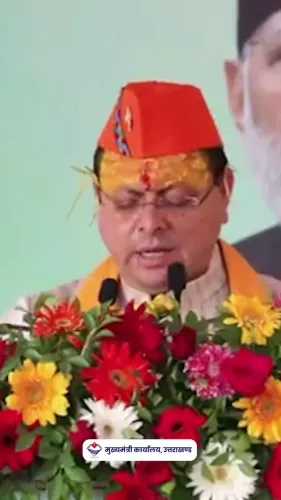
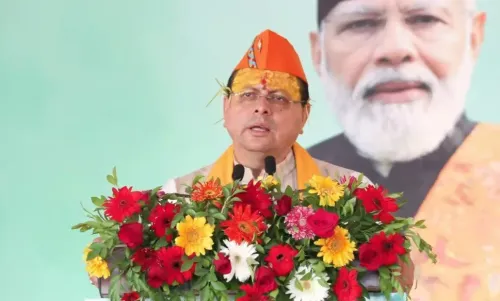
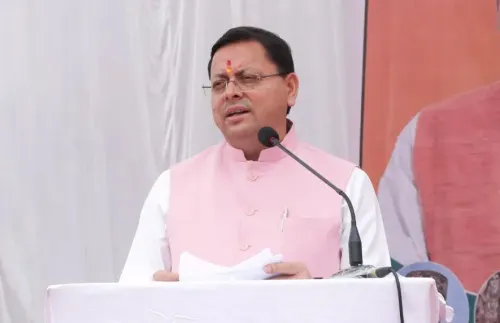
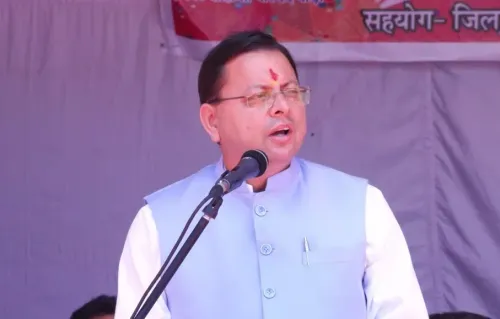
The Chief Minister's Office of Uttarakhand on Wednesday, 15 July 2026, shared remarks by Chief Minister Pushkar Singh Dhami citing a 25 per cent rise in the number of hotels across the state, growth in homestay operations, and an increase in reverse migration to the hill districts, with residents returning to their villages.
Context
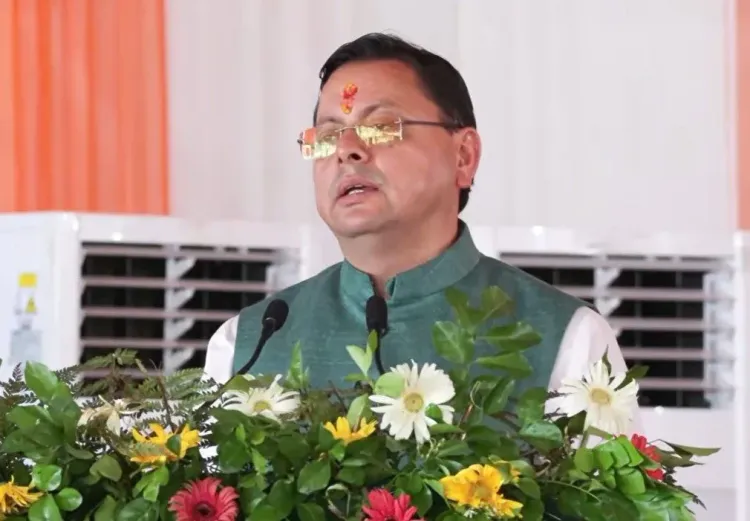
Speaking in a public address, CM Dhami stated — 'aaj pradesh mein hotellon ki sankhya mein 25 pratishat ki vriddhi hui hai' ['today the number of hotels in the state has grown by 25 per cent'] — and added that homestay operations are expanding. He further noted: 'aaj pradesh ke pahadon mein reverse palayan badha hai, log gharon ko laut rahe hain' ['today reverse migration in the mountains of the state has increased; people are returning home'].
The remarks frame tourism infrastructure growth as a direct driver of demographic reversal in Uttarakhand's Himalayan districts, where chronic out-migration has been documented for decades.
Policy Backdrop
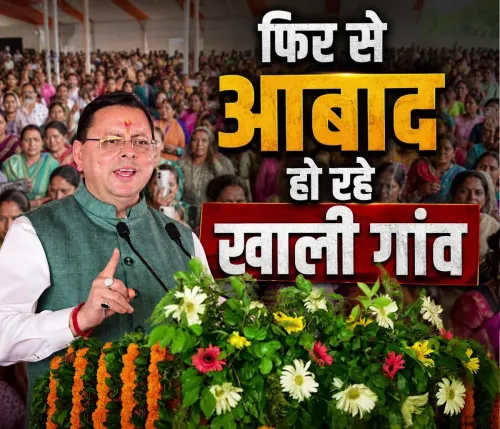
Uttarakhand has grappled with large-scale out-migration from its hill districts as limited local employment pushed residents toward plains cities. Successive state governments have attempted to address this through tourism-linked self-employment and rural enterprise schemes.
As early as 2021, the Dhami government announced incentives for migrants who returned during the COVID-19 period, including financial support for homestay registration and small tourism ventures in hill areas. The current statements position those earlier interventions as now yielding measurable results in hotel count and population retention.
Stakeholders and Impact
The primary beneficiaries of this trend, if sustained, are hill district residents who had previously migrated to cities for work, homestay operators who receive state support and tourism footfall, and local economies in districts such as Chamoli, Pithoragarh, Uttarkashi, and Bageshwar that have historically recorded the steepest outflows.
Growth in registered hotels and homestays also generates ancillary demand — for local produce, transport, and hospitality workers — creating a multiplier effect that planners argue can anchor populations in remote valleys. Comparable tourism-led retention efforts have been attempted in other Himalayan states facing similar demographic pressures.
What's Next
Attention will now turn to whether the Uttarakhand Tourism Development Board releases updated registration data that can independently corroborate the 25 per cent hotel-growth figure cited by the Chief Minister. Any upcoming state budget session or assembly debate on migration and tourism policy will be closely watched for corresponding financial allocations.
If the reverse-migration trend holds, it could reshape political and planning priorities across Uttarakhand's hill constituencies, where depopulation has long undermined both local governance and economic development.
Point of View
But it awaits corroboration from independent registration data. Across the Himalayan belt, tourism-led retention has proven a partial solution at best; the depth of reverse migration depends heavily on whether returning residents find sustained livelihoods, not just initial incentives. The policy's real test will come when official migration and employment figures for hill districts are published.
NationPress
13 Oct 2026
Frequently Asked Questions
What did CM Dhami say about hotels in Uttarakhand?
CM Pushkar Singh Dhami stated that the number of hotels in Uttarakhand has grown by 25 per cent , and that homestay operations across the state are also expanding.
What is reverse migration in Uttarakhand?
Reverse migration, or reverse palayan , refers to people who had earlier left Uttarakhand's hill districts for plains cities now returning to their villages, often to pursue tourism or self-employment opportunities.
How is Uttarakhand tackling out-migration from hill areas?
The state government has promoted homestay registration, hotel development, and rural tourism schemes — particularly since 2021 — to create local livelihoods and encourage residents to remain in or return to hill districts.
What is a homestay in the context of Uttarakhand tourism?
A homestay is a small, family-run accommodation where tourists stay with local residents, providing hosts with income while offering visitors an authentic experience of hill life; the Uttarakhand government has actively supported homestay registration as a self-employment tool.
Which hill districts of Uttarakhand have the most out-migration?
Districts such as Chamoli, Pithoragarh, Uttarkashi , and Bageshwar have historically recorded among the highest rates of out-migration in Uttarakhand due to limited local employment options.