CM Himanta Highlights Assam's Youth Skilling Push on World Youth Skills Day
Synopsis
On World Youth Skills Day, Assam CM Himanta Biswa Sarma highlighted the state's skilling ecosystem — spanning over 1,700 schools and Assam Skill University — as foundational to the Viksit Assam and Viksit Bharat vision, connecting local workforce development to India's 2047 growth ambitions.
Key Takeaways
CM Himanta Biswa Sarma marked World Youth Skills Day (15 July 2026) by highlighting Assam's youth skilling initiatives.
Skill education has been integrated into more than 1,700 schools across Assam, per the Chief Minister's post.
Assam Skill University serves as a flagship institution for industry-aligned higher skill education in the state.
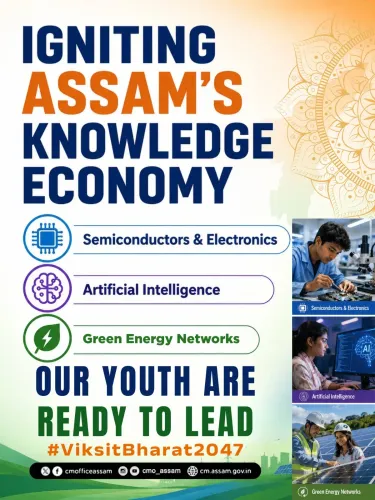
The initiative is framed under twin goals: #ViksitAssam and the national #ViksitBharat 2047 vision.
Assam's skilling model builds on the national Skill India Mission launched in 2015 and the National Policy on Skill Development and Entrepreneurship 2015 .
CM Sarma , as NEDA convenor, is positioned to extend similar frameworks to other northeastern states.
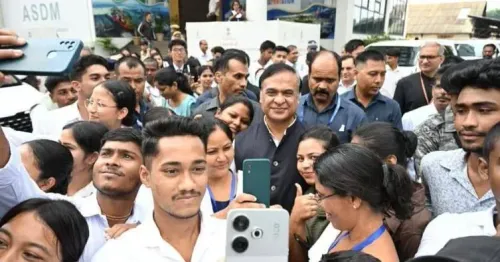
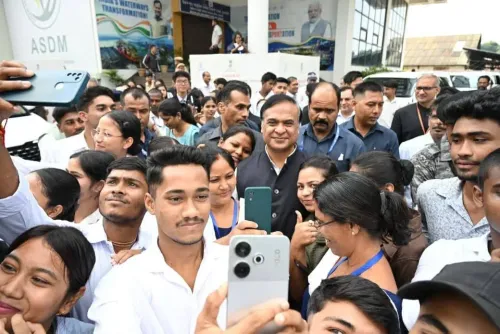
Assam Chief Minister Himanta Biswa Sarma on Wednesday, 15 July 2026 marked World Youth Skills Day by spotlighting the state government's ongoing efforts to build a skilled youth workforce, citing skill education rolled out across more than 1,700 schools, industry-linked training programmes, and the Assam Skill University as pillars of the state's skilling ecosystem.
Context
World Youth Skills Day is observed every year on 15 July under the aegis of the United Nations to draw attention to the importance of equipping young people with employable skills. CM Sarma used the occasion to frame Assam's skilling investments as central to both #ViksitAssam and the national #ViksitBharat vision, describing youth as 'the foundation' of the state's growth story. The post underscores the government's intent to link classroom learning with industry requirements at scale.
Policy Backdrop
Assam's skilling push draws from the national Skill India Mission, launched in 2015, which encouraged states to expand vocational education within school curricula and establish dedicated skill universities. The National Policy on Skill Development and Entrepreneurship 2015 provided the framework under which states like Assam began integrating industry-aligned modules into secondary education. Assam Skill University, a state-established institution, was conceived to bridge the gap between academic training and labour-market demands by offering higher education programmes with a strong vocational orientation.
The Northeast has historically faced higher youth unemployment relative to the national average, making skilling a priority for state governments seeking to harness the region's demographic dividend. CM Sarma, who also serves as convenor of the North-East Democratic Alliance (NEDA), has consistently positioned workforce development as a cross-cutting theme across member states.
Stakeholders and Impact
The primary beneficiaries are Assam's school-going youth and young jobseekers who gain access to vocational modules embedded within their regular schooling, reducing the need to seek separate training after completing formal education. Industry partners involved in designing and delivering the training programmes stand to gain a pipeline of job-ready candidates aligned with sector-specific requirements. For the state economy, a larger skilled workforce is expected to attract investment and reduce out-migration of working-age youth to other states.
The #ViksitBharat framing also connects Assam's local efforts to the central government's 2047 development target, signalling that the state views its skilling agenda as a contribution to a national milestone rather than a standalone initiative.
What's Next
Observers will watch for state-level progress reports on the school-based skill modules, including enrolment numbers and early placement outcomes from Assam Skill University graduates. Potential linkages between Assam's programme and central skill-development funding — particularly in upcoming Union and state budgets — will be closely tracked. Coordination through NEDA platforms could also see similar skilling frameworks replicated across other northeastern states, amplifying the regional impact of Assam's model.
Point of View
Sarma's framing carries cross-state signalling value, potentially nudging allied northeastern governments toward similar policy architectures. The real test, however, will lie in independently verified placement and outcome data from Assam Skill University and the school programmes.
NationPress
15 Jul 2026
Frequently Asked Questions
What is World Youth Skills Day and when is it observed?
World Youth Skills Day is a United Nations observance held every year on 15 July to highlight the importance of equipping young people with skills for employment and entrepreneurship.
What is Assam Skill University?
Assam Skill University is a state-established institution in Assam designed to provide industry-aligned skill training and higher education programmes, bridging the gap between academic qualifications and labour-market needs.
How many schools in Assam offer skill education?
According to CM Himanta Biswa Sarma's post on 15 July 2026 , skill education has been introduced in more than 1,700 schools across Assam.
What is the Viksit Bharat vision that CM Sarma referenced?
Viksit Bharat is the Indian government's aspirational framework to make India a developed nation by 2047 , the centenary of independence, with youth skilling identified as a key enabler.
What is the Skill India Mission?
The Skill India Mission is a national programme launched in 2015 to train millions of Indians in employable, industry-relevant skills, encouraging states to expand vocational education in schools and set up dedicated skill universities.