CM Himanta Tables Key Facts in Assam Budget Session
Synopsis
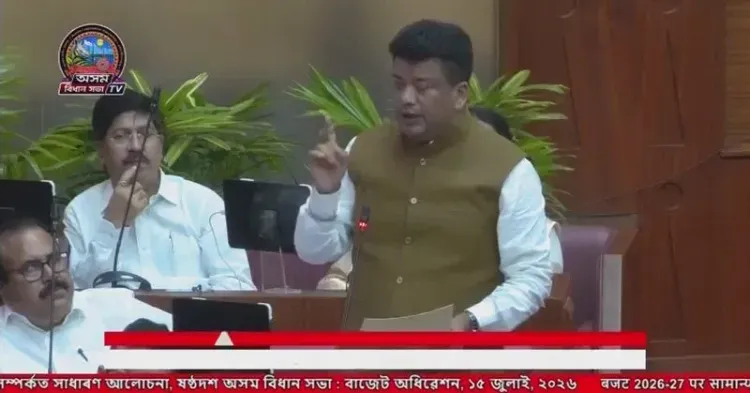
Assam Chief Minister Himanta Biswa Sarma placed key facts before the Assam Legislative Assembly during the Budget Session in Dispur on 15 July 2026, reinforcing the BJP-led government's data-driven approach to legislative engagement during one of the most important sittings of the state's annual parliamentary calendar.
Key Takeaways
CM Himanta Biswa Sarma presented key facts on the floor of the Assam Legislative Assembly during the Budget Session on 15 July 2026 .
The session is held at Dispur , the capital of Assam and the permanent seat of the state legislature.
Budget sessions are constitutionally mandated under Article 202 of the Indian Constitution for all state governments.
The BJP-led Assam government has been in office since May 2021 following the state assembly elections.
CM Sarma also convenes the North-East Democratic Alliance (NEDA) , giving Assam's legislative proceedings wider regional significance.
Opposition responses, supplementary demands, and policy resolutions are expected to follow as the session continues.
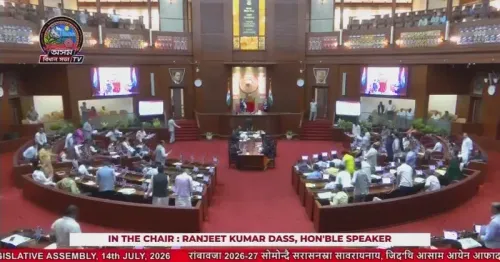
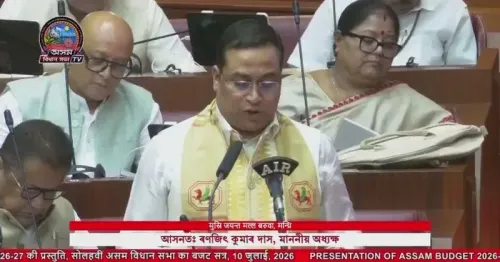
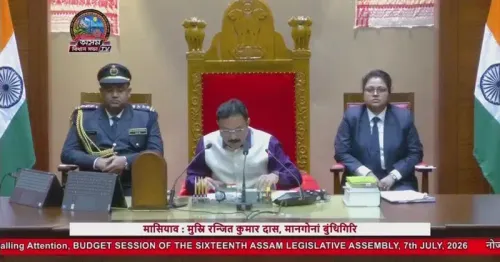
Assam Chief Minister Himanta Biswa Sarma placed key facts and figures on the floor of the Assam Legislative Assembly during the ongoing Budget Session on Wednesday, 15 July 2026, at the state legislature complex in Dispur. The presentation formed part of the government's engagement with legislators during one of the most consequential sittings in the annual legislative calendar.
Context
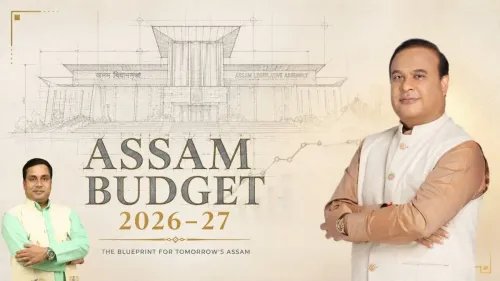
The Budget Session of the Assam Legislative Assembly is constitutionally mandated under Article 202 of the Indian Constitution, which requires every state government to lay its annual financial statement before the legislature. CM Sarma, who has led the BJP-led government in the state since May 2021, used the floor of the House to place what he described as 'key facts', signalling the government's intent to anchor its budgetary positions in data-driven arguments.
The session takes place at the assembly complex in Dispur, the capital of Assam, which has hosted the state legislature since statehood. Floor presentations by the Chief Minister during budget deliberations carry particular weight as they set the tone for subsequent debates on spending priorities and policy direction.
Policy Backdrop
Indian state assemblies follow a structured calendar of sessions — budget, monsoon, and winter — during each of which the executive is expected to place data, policy positions, and financial estimates before elected representatives. This mechanism forms the backbone of legislative oversight and financial scrutiny as envisaged in the constitutional framework.
Under the BJP-led government formed after the 2021 Assam assembly elections, the state has used budget sessions to advance several governance and development agendas. CM Sarma, who also serves as convenor of the North-East Democratic Alliance (NEDA), has consistently positioned Assam as a model of administrative reform in the north-eastern region.
Stakeholders and Impact
The primary audience for floor presentations during a budget session comprises Assam legislators across party lines, state government officials, and department heads whose allocations come under scrutiny. Opposition members are expected to respond to the facts placed by the Chief Minister, shaping the quality of debate on the state's finances.
Citizens, civil-society groups, and local bodies that depend on state budget allocations for welfare schemes, infrastructure, and public services are the ultimate stakeholders in these proceedings. The data placed on the floor by CM Sarma will inform opposition questions, supplementary demands, and any policy resolutions that emerge from the current session.
What's Next
Legislative scrutiny of the facts and figures presented by CM Sarma is expected to continue over the remaining days of the Budget Session, with opposition parties likely to raise queries and move amendments on contentious allocations. Supplementary demands for grants and any policy resolutions tabled alongside the budget estimates will be watched closely by fiscal observers and political analysts alike.
The session's outcome will also carry significance for NEDA's broader political positioning in the north-east, as Assam's budgetary choices often influence allied state governments in the alliance. How the government responds to opposition scrutiny on the floor will set the legislative narrative heading into the monsoon session.
Point of View
A strong budget-session performance carries implications beyond Assam, signalling political confidence to allied parties across the north-east. The move also pre-empts opposition attempts to define the budget debate on their own terms, a tactic increasingly common among incumbent state governments. Whether the facts presented hold up to legislative scrutiny will determine the session's political legacy.
NationPress
15 Jul 2026
Frequently Asked Questions
What did Assam CM Himanta Biswa Sarma do in the Budget Session on 15 July 2026?
CM Himanta Biswa Sarma placed key facts and figures on the floor of the Assam Legislative Assembly during the Budget Session in Dispur on 15 July 2026 as part of the government's legislative engagement.
What is the Assam Legislative Assembly Budget Session?
The Budget Session of the Assam Legislative Assembly is a constitutionally mandated sitting under Article 202 of the Indian Constitution during which the state government presents its annual financial statement and related data to elected legislators.
Where is the Assam Legislative Assembly located?
The Assam Legislative Assembly is located in Dispur, the capital of Assam, where all legislative sessions including the budget, monsoon, and winter sittings are held.
Who is Himanta Biswa Sarma?
Himanta Biswa Sarma is the Chief Minister of Assam, serving since May 2021, and is also the BJP's senior leader in the state and the convenor of the North-East Democratic Alliance (NEDA).
What happens after the Chief Minister places facts on the floor of the Assam assembly?
After the Chief Minister places facts on the floor, opposition legislators respond with questions and amendments; the session then proceeds to scrutinise supplementary demands for grants and any policy resolutions linked to the budget estimates.