CM Manik Saha Holds 70th MukhyaMantri Samipeshu Session
Synopsis
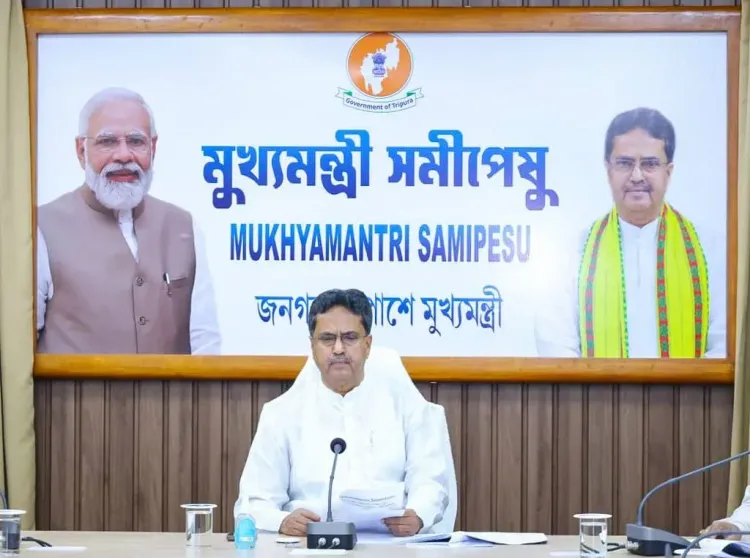
Tripura Chief Minister Dr. Manik Saha chaired the 70th edition of 'MukhyaMantri Samipeshu' at the TIFT Conference Room on 15 July 2026, connecting virtually with North Tripura citizens and directing officials to resolve their grievances promptly.
Key Takeaways
The 70th edition of MukhyaMantri Samipeshu was held on 15 July 2026 at the TIFT Conference Room .
Manik Saha connected virtually with residents of North Tripura district .
He issued direct instructions to concerned officials to take prompt action on issues raised by citizens.
The programme is a flagship citizen grievance redressal initiative of the Tripura government under BJP governance since 2018 .
North Tripura has significant rural and tribal populations, making virtual outreach particularly important for access to administration.
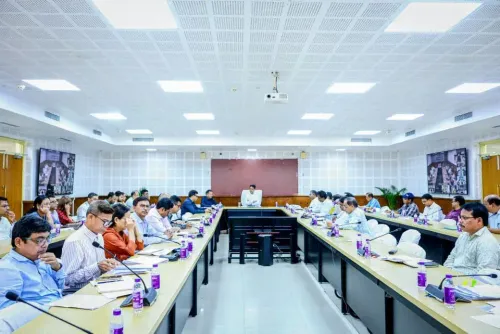
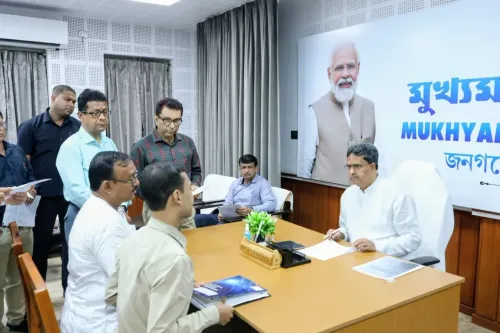
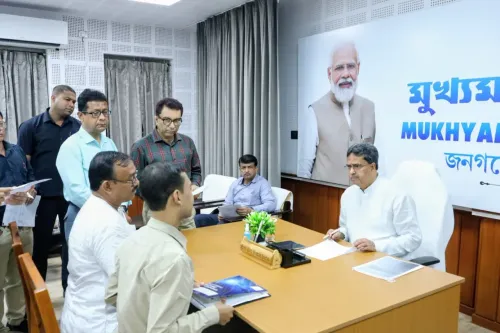
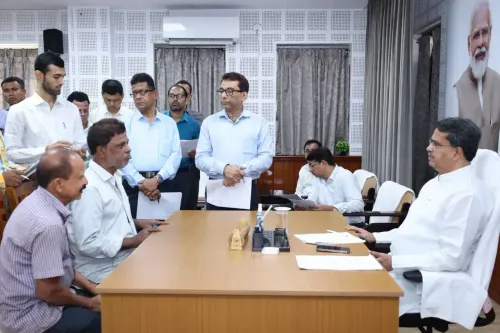
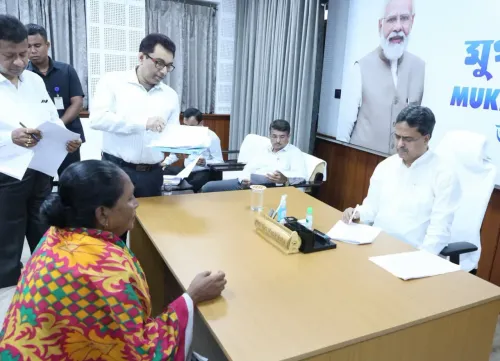
Tripura Chief Minister Dr. Manik Saha on Wednesday, 15 July 2026, chaired the 70th edition of the state government's citizen grievance redressal programme 'MukhyaMantri Samipeshu' at the TIFT Conference Room, connecting virtually with residents of North Tripura district to address their concerns.
Context
In his post on X, Dr. Saha stated — 'নাগরিকদের সমস্যা সমাধানে আমাদের বিশেষ উদ্যোগ' ['our special initiative for resolving citizens' problems'] — that the session involved direct virtual engagement with residents of North Tripura, during which he issued instructions to concerned officials to take prompt action on the various problems and matters raised by citizens.
The programme, whose name translates roughly to 'To the Chief Minister's Notice,' is a structured public hearing format that places the state's top executive in direct dialogue with ordinary citizens, bypassing conventional bureaucratic channels.
Policy Backdrop
MukhyaMantri Samipeshu is a flagship governance initiative of the Tripura government designed to provide an accessible platform for citizen grievance redressal through periodic sessions chaired personally by the Chief Minister. The programme reflects a broader push across BJP-governed northeastern states since 2018 to strengthen citizen-administration interfaces and reduce bureaucratic delays at the district level.
Tripura transitioned to BJP governance in the 2018 assembly elections, with subsequent administrations emphasising administrative outreach, e-governance, and development delivery in a state historically underserved by central connectivity. Dr. Saha, who assumed office as Chief Minister in May 2022, has continued and expanded such direct-engagement formats as a governance signature.
The virtual format adopted for these sessions allows the administration to reach geographically dispersed and remote districts — a practical necessity in North Tripura, which borders Assam and shares terrain with significant rural and tribal populations.
Stakeholders and Impact
The primary beneficiaries of the MukhyaMantri Samipeshu programme are ordinary residents of whichever district is featured in each edition. For North Tripura — a district with considerable rural depth and tribal communities — direct access to the Chief Minister's office through a virtual interface represents a meaningful reduction in the friction typically involved in escalating local grievances.
District officials and departmental officers are the secondary stakeholders, as the sessions result in on-the-spot directives from the Chief Minister to resolve pending issues. This creates a degree of administrative accountability that routine complaint mechanisms may not generate.
Civil society observers and governance researchers tracking e-governance outcomes in the Northeast are also watching such programmes as case studies in last-mile public service delivery.
What's Next
With the 70th edition now concluded, attention will turn to the pace at which issues raised by North Tripura residents are formally resolved and communicated back to petitioners — a metric that determines the programme's long-term credibility. Subsequent editions of MukhyaMantri Samipeshu are expected to rotate across other districts of Tripura, continuing the Chief Minister's direct outreach cycle. The resolution rate and follow-up mechanism for grievances logged in this and earlier sessions will be a key indicator of the programme's administrative effectiveness.
Point of View
Regular chairing of such sessions serves a dual purpose: it reinforces his image as an accessible administrator while generating a visible accountability loop for district officials. In the broader Northeast context, this mirrors the post-2018 BJP governance model of high-frequency, high-visibility citizen outreach as a substitute for slower structural reforms. The real test, however, lies in verifiable resolution rates — without transparent follow-up data, such forums risk becoming performative rather than transformative.
NationPress
15 Jul 2026
Frequently Asked Questions
What is MukhyaMantri Samipeshu in Tripura?
MukhyaMantri Samipeshu is a citizen grievance redressal programme run by the Tripura government in which Chief Minister Dr. Manik Saha directly engages with residents of specific districts — often virtually — and instructs officials to resolve their problems promptly.
What happened at the 70th MukhyaMantri Samipeshu session?
The 70th edition was held on 15 July 2026 at the TIFT Conference Room, where CM Dr. Manik Saha connected virtually with North Tripura district residents and directed relevant officials to take swift action on the issues raised.
Which district was featured in the 70th Samipeshu session?
North Tripura district was the focus of the 70th edition of MukhyaMantri Samipeshu, with citizens from that district participating virtually to present their grievances.
How often does Tripura hold MukhyaMantri Samipeshu sessions?
The programme is held periodically, rotating across districts of Tripura. The 70th edition in July 2026 indicates the sessions have been conducted regularly since the programme's launch.
Who is Dr. Manik Saha?
Dr. Manik Saha is the Chief Minister of Tripura and a BJP leader who assumed the top office in May 2022. He previously served as a health minister and is known for his emphasis on direct administrative outreach.