Amit Shah Hails India-UK FTA as It Enters Into Force
Synopsis
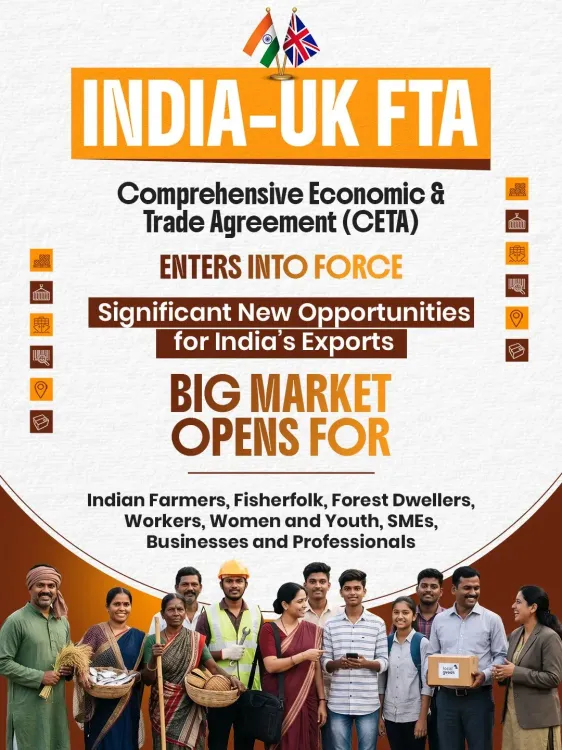
Union Home Minister Amit Shah on 15 July 2026 hailed the India-UK FTA entering into force, saying it offers zero-duty access for 99% of Indian exports across textiles, leather, pharmaceuticals and MSMEs, and extends exemptions to Indian professionals in the UK — advancing the Viksit Bharat vision.
Key Takeaways
The India-UK Free Trade Agreement entered into force on 15 July 2026 , according to Union Home Minister Amit Shah .
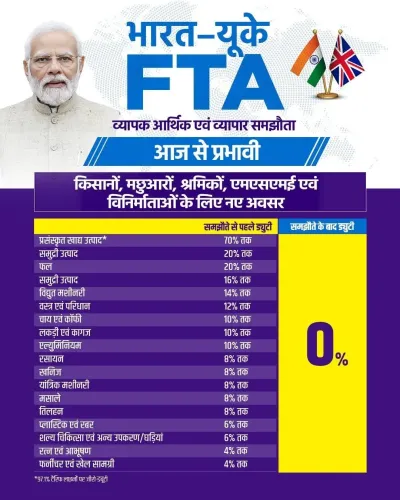
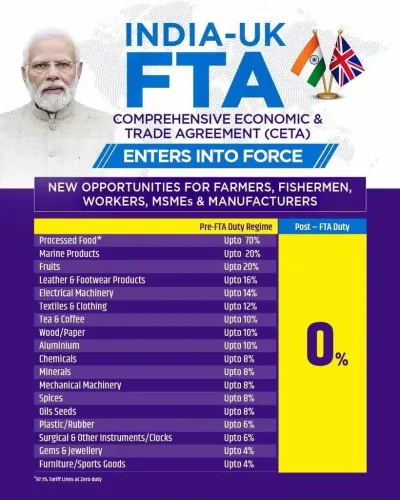
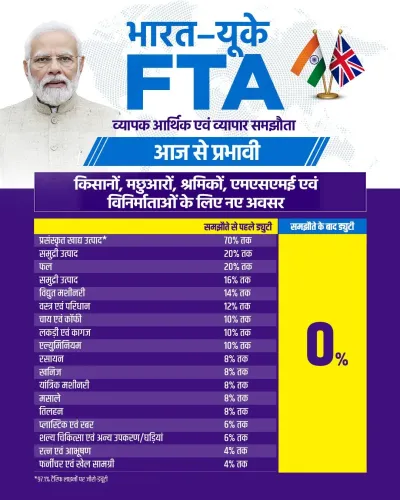
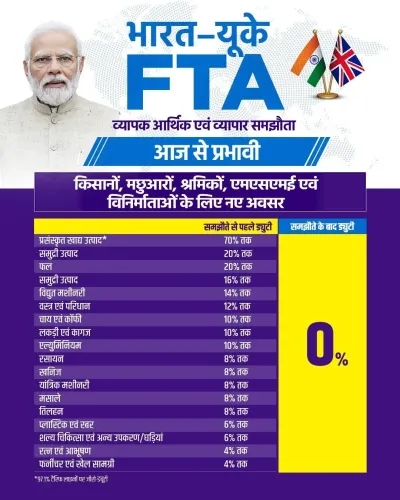
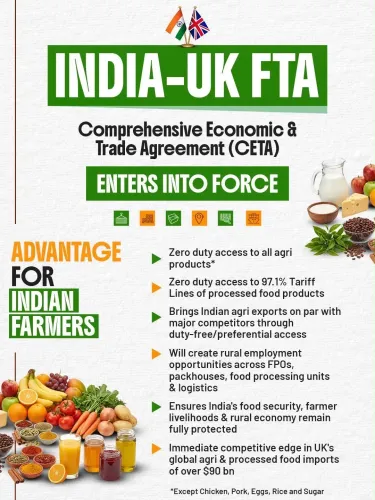
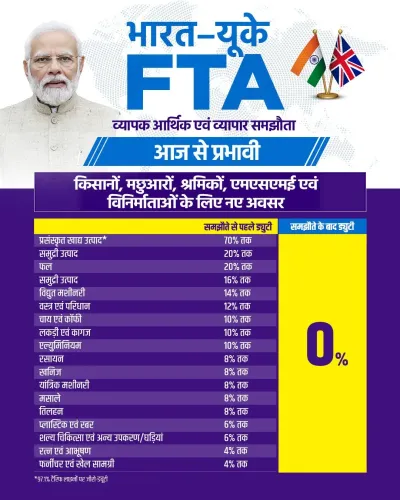
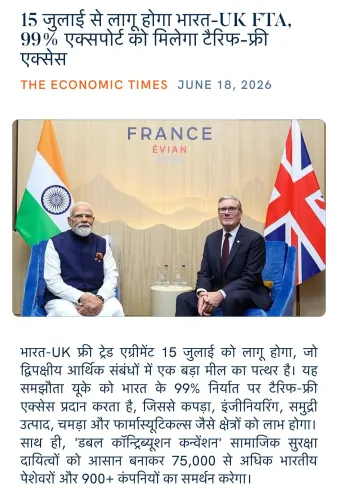
The treaty offers zero-duty market access for 99% of Indian exports , including textiles, leather, engineering goods, food processing, pharmaceuticals and MSME products.
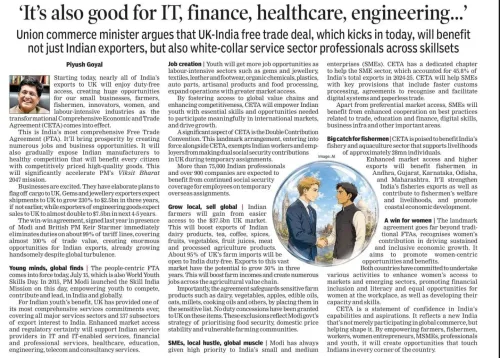
Significant exemptions have been extended to Indian professionals working in the UK under the agreement's services and mobility provisions.
Negotiations were formally launched in January 2022 as part of India's post-2014 bilateral FTA strategy that also covers the UAE and Australia .
The FTA is positioned as a pillar of the Viksit Bharat roadmap, India's goal of becoming a developed nation by 2047 .
Labour-intensive industries and MSMEs are expected to be the primary near-term beneficiaries of the new tariff framework.
Union Home Minister Amit Shah on Wednesday, 15 July 2026 welcomed the entry into force of the India-UK Free Trade Agreement (FTA), calling it a cornerstone of the Viksit Bharat vision championed by Prime Minister Narendra Modi. Shah said the landmark treaty unlocks untapped potential across several labour-intensive sectors and extends significant protections to Indian professionals working in the United Kingdom.
Context
In his post on X, Shah described the agreement as 'the key to a Viksit Bharat as envisioned by Modi Ji,' adding that it stands as 'a testament to the vision of pro-people diplomacy that our government upholds.' The treaty, he noted, will offer zero-duty market access for 99% of Indian exports, covering sectors such as textiles, leather, engineering, food processing, pharmaceuticals and MSMEs.
The agreement also extends what Shah termed 'significant exemptions' to Indian professionals in the UK, a provision expected to ease the movement of skilled workers between the two countries. Shah framed the FTA as a dual-purpose instrument — one that simultaneously advances economic interests and deepens bilateral ties.
Policy Backdrop
India and the United Kingdom formally launched negotiations for a comprehensive bilateral FTA in January 2022, with talks spanning multiple rounds over several years. The agreement is part of a broader Indian trade diplomacy push since 2014 that has also produced bilateral economic pacts with the UAE and Australia, both concluded in 2022.
The Viksit Bharat framework — India's roadmap for becoming a developed nation by 2047 — has positioned expanded market access and integration into global value chains as central planks. Labour-intensive industries such as textiles and leather, which employ millions of workers, stand to gain the most from preferential tariff treatment in a large, post-Brexit economy like the UK.
Post-Brexit, the United Kingdom has been actively renegotiating its trade relationships independently of the European Union, making an FTA with India — one of the world's fastest-growing major economies — a strategic priority for both sides.
Stakeholders and Impact
Indian exporters and MSMEs are the primary immediate beneficiaries, with near-universal zero-duty access to the UK market expected to boost competitiveness across textiles, pharmaceuticals and engineering goods. Small manufacturers, who often struggle with tariff barriers in developed markets, could see a meaningful reduction in the cost of doing business with British buyers.
Indian professionals — including those in technology, finance and healthcare — stand to benefit from the services and mobility provisions Shah referenced. These exemptions could simplify visa and work-permit pathways, addressing a long-standing demand from the Indian diaspora and professional community in the UK.
On the UK side, British firms gain improved access to one of the world's largest consumer markets, while the agreement is expected to strengthen people-to-people ties between the two nations.
What's Next
Attention will now shift to the rollout of specific tariff schedules and services commitments in both countries, as well as any early trade data that signals how quickly exporters begin capitalising on the new terms. Review mechanisms built into the first year of enforcement will be closely watched by industry bodies on both sides.
For the BJP-led government, the FTA's entry into force provides a tangible diplomatic milestone ahead of the 2047 Viksit Bharat target, reinforcing its narrative of economic nationalism through global engagement rather than isolation.
Point of View
Which has consistently framed bilateral trade pacts as instruments of both economic growth and strategic autonomy. Shah's public endorsement — framing the deal through the 'Viksit Bharat' lens — signals the BJP's intent to claim political credit for a negotiation that spanned multiple years and administrations. The emphasis on labour-intensive sectors and MSME access is a deliberate messaging choice, aimed at connecting a high-level diplomatic achievement to the everyday concerns of small manufacturers and workers. Longer-term, the deal's success will be judged by actual trade data and whether the services mobility provisions translate into tangible relief for Indian professionals in the UK.
NationPress
15 Jul 2026
Frequently Asked Questions
What is the India-UK Free Trade Agreement?
The India-UK Free Trade Agreement is a bilateral trade pact between India and the United Kingdom that offers preferential tariff terms, including zero-duty market access for 99% of Indian exports, and includes provisions for Indian professionals working in the UK. Negotiations were formally launched in January 2022.
When did the India-UK FTA come into force?
The India-UK FTA entered into force on 15 July 2026, as stated by Union Home Minister Amit Shah in a post on X on that date.
Which Indian sectors benefit most from the India-UK FTA?
Labour-intensive sectors including textiles, leather, engineering goods, food processing and pharmaceuticals are among the primary beneficiaries, along with MSMEs, all of which gain zero-duty access to the UK market under the agreement.
What does the India-UK FTA mean for Indian professionals in the UK?
The agreement extends significant exemptions to Indian professionals in the UK, which are expected to ease mobility and work-related pathways, though the specific visa and permit details will be governed by the treaty's services commitments.
How does the India-UK FTA relate to Viksit Bharat?
Viksit Bharat is India's government-stated goal of becoming a developed nation by 2047. The FTA is framed by the BJP government as a trade pillar of this vision, expanding export markets and integrating Indian industry into global value chains.