CM Manik Saha Highlights 'Mukhyamantri Samipesu' Grievance Bridge
Synopsis
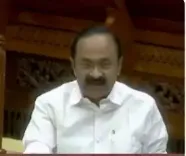
Tripura Chief Minister Dr. Manik Saha on June 8, 2026, spotlighted 'Mukhyamantri Samipesu', a state grievance initiative designed to give citizens direct access to the CM's office, promising transparent and accountable administration across the northeastern state.
Key Takeaways
Manik Saha posted on June 8, 2026 about the progress of the 'Mukhyamantri Samipesu' public grievance programme.
The initiative translates to 'To the Chief Minister' and serves as a direct channel for citizens to raise complaints and concerns.
Saha stated the goal is a 'transparent, accountable, and people-friendly administration' that earns public trust.
The programme targets residents from all parts of Tripura , including remote areas with limited access to higher administration.
The initiative aligns with a broader pattern of chief minister-level grievance cells in BJP-governed states since the party's 2018 takeover in Tripura.
Future credibility of the programme will depend on publicly disclosed grievance disposal rates and potential linkage with digital platforms such as CPGRAMS .
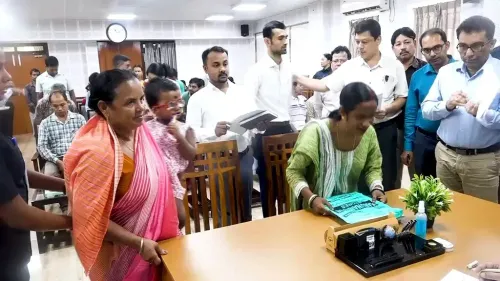
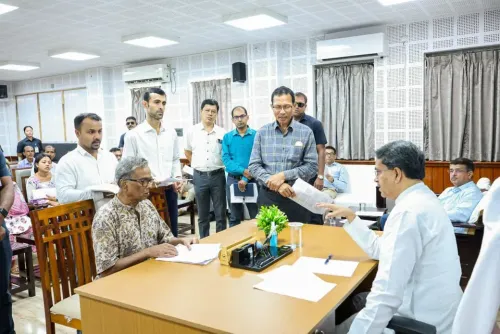
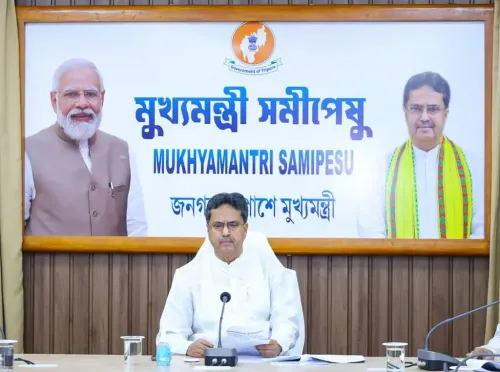
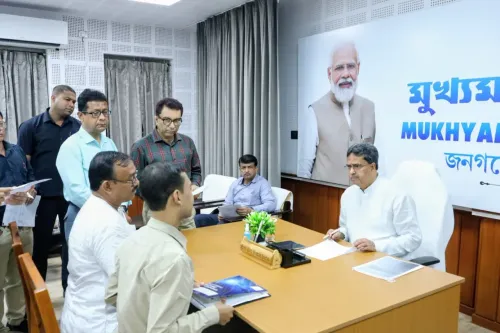
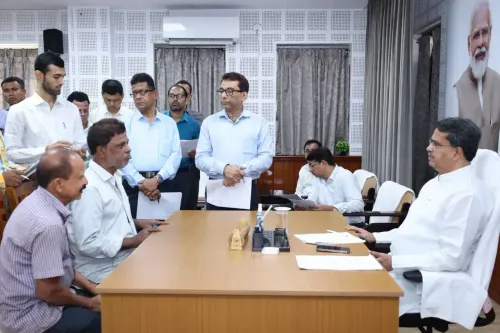
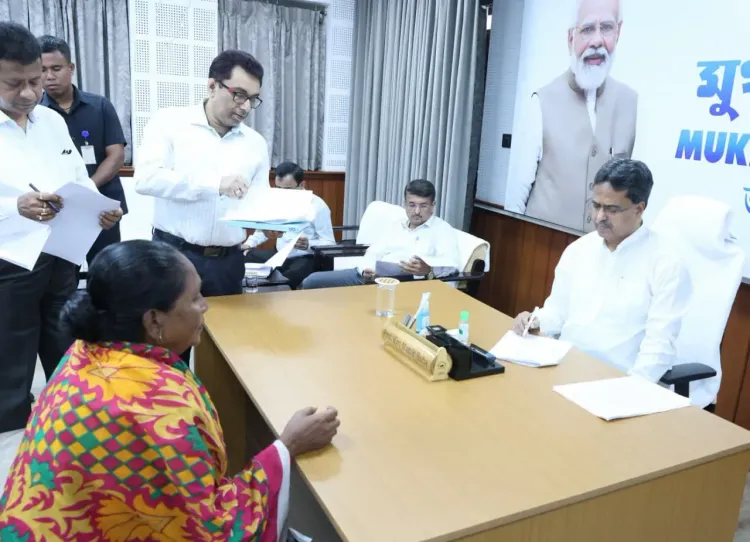
Tripura Chief Minister Dr. Manik Saha on Monday, June 8, 2026, highlighted the progress of the state's public grievance initiative 'Mukhyamantri Samipesu', describing it as a reliable bridge between citizens and the administration. Writing in Bengali on X, he said the programme is moving forward successfully in ensuring swift resolution of people's problems and making governance more citizen-centric. Residents from across the state are using the platform to directly raise their concerns and complaints.
Context
The post, shared alongside four images, quotes Dr. Saha as stating: 'আমাদের লক্ষ্য জনগণের আস্থা অর্জন করে স্বচ্ছ, জবাবদিহিমূলক এবং জনবান্ধব প্রশাসন নিশ্চিত করা' — 'Our goal is to earn the trust of the people and ensure a transparent, accountable, and people-friendly administration.' The initiative, whose name translates roughly to 'To the Chief Minister', is positioned as a direct channel for ordinary citizens — particularly those from remote corners of Tripura — to bring their grievances to the highest executive level of the state government.
The emphasis on transparency and accountability reflects a governance posture that Dr. Saha, who assumed office in 2022, has consistently promoted since taking charge of the northeastern state.
Policy Backdrop
Chief minister-level grievance cells have a long lineage in Indian public administration. At the central level, the Centralised Public Grievance Redress and Monitoring System (CPGRAMS) has operated since the mid-2000s, with states encouraged to build complementary mechanisms suited to local needs. BJP-governed states in particular have periodically launched such citizen-interface programmes, combining physical hearings with digital portals to address everyday service-delivery gaps.
Tripura, a geographically dispersed northeastern state with a significant rural and tribal population, faces distinct last-mile connectivity challenges. Since the BJP's political transition in 2018, successive administrations have prioritised improving the reach and responsiveness of the state bureaucracy. 'Mukhyamantri Samipesu' fits within that broader administrative reform arc.
Stakeholders and Impact
The primary beneficiaries are Tripura's residents, especially those from districts far from Agartala, the state capital, who have historically found it difficult to escalate unresolved grievances beyond the block or district level. By creating a direct channel to the Chief Minister's office, the initiative aims to reduce dependence on intermediaries and cut resolution timelines.
State administration officials and frontline functionaries are also key stakeholders, as the programme implicitly creates an accountability loop — unresolved complaints that reach the CM's desk can prompt scrutiny of lower-level officers. Civil society groups and local elected representatives are likely to watch disposal rates as a measure of the programme's real-world impact.
What's Next
The broader value of 'Mukhyamantri Samipesu' will be assessed through periodic public disclosures on grievance disposal rates and any formal integration with central or state digital grievance platforms. Dr. Saha's continued public communication about the initiative signals an intent to keep citizen-centric governance visible ahead of the state's political calendar. A transparent reporting mechanism — showing how many complaints were received, resolved, and in what timeframe — would be the logical next step in converting the programme's stated goals into measurable outcomes.
Point of View
But their effectiveness hinges on backend disposal mechanisms rather than front-end optics. For Tripura, a state with dispersed geography and historically under-served rural constituencies, the programme's real test is whether it reduces resolution timelines in a measurable, verifiable way. If disposal data is made public regularly, it could become a genuine accountability instrument; if not, it risks being perceived as symbolic outreach ahead of the electoral cycle.
NationPress
23 Oct 2026
Frequently Asked Questions
What is 'Mukhyamantri Samipesu' in Tripura?
'Mukhyamantri Samipesu' is a public grievance initiative run by the Tripura state government that allows citizens to directly raise their complaints and concerns with the Chief Minister's office, aiming for faster resolution and more accountable administration.
Who launched the Mukhyamantri Samipesu programme?
The programme is associated with Tripura Chief Minister Dr. Manik Saha, who has promoted it as a key pillar of his administration's citizen-centric governance approach since taking office in 2022.
How can Tripura residents submit grievances to the Chief Minister?
According to Dr. Saha's post, residents from across the state can use the 'Mukhyamantri Samipesu' channel to directly present their problems and complaints, though specific submission modalities — online portal, physical camps, or both — have not been detailed in the public post.
What is CPGRAMS and how does it relate to state grievance programmes?
CPGRAMS, or the Centralised Public Grievance Redress and Monitoring System, is a central government portal for public complaints that has operated since the mid-2000s. State-level initiatives like 'Mukhyamantri Samipesu' are complementary mechanisms that states build to address local grievances more directly.
Why is citizen grievance redressal important in Tripura?
Tripura is a geographically dispersed northeastern state with a large rural and tribal population, making it difficult for many residents to escalate unresolved issues beyond the local level. A direct CM-level channel is intended to bridge that gap and reduce dependence on intermediaries.