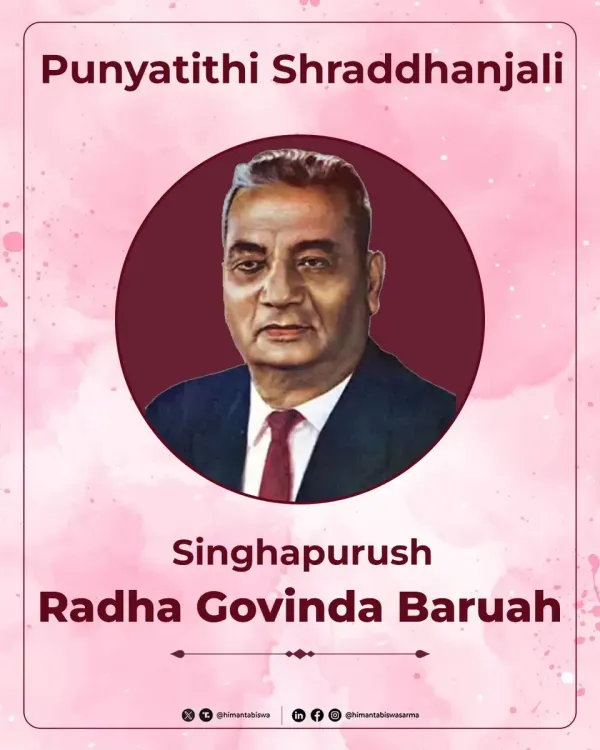
CM Himanta pays tribute to Singhapurush Radha Govinda Baruah
Synopsis
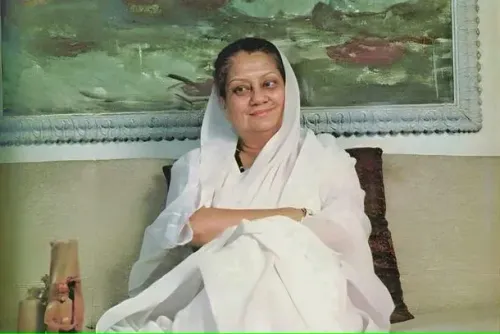
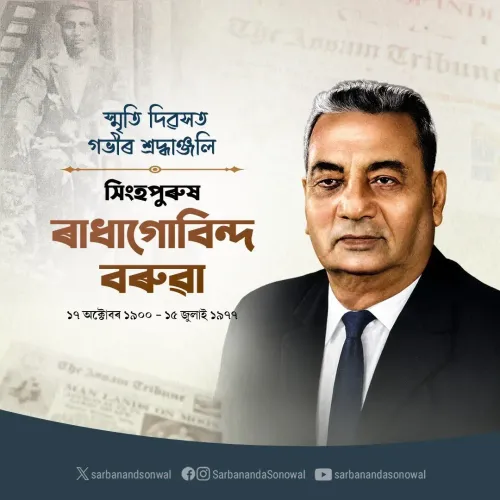
Assam Chief Minister Himanta Biswa Sarma on 15 July 2026 paid tribute to Radha Govinda Baruah, known as Singhapurush, on his death anniversary. Baruah founded The Assam Tribune in 1939 and helped establish the Assam Cricket Association, shaping the state's media, sports and cultural landscape.
Key Takeaways
Chief Minister Himanta Biswa Sarma paid tribute to Radha Govinda Baruah on his Punyatithi (death anniversary) on 15 July 2026 .
Radha Govinda Baruah is honoured with the title Singhapurush (Lion-Man) for his contributions to Assam's media, sports and cultural institutions.
Baruah founded The Assam Tribune in 1939 , Assam's oldest and largest-circulation English daily.
He was instrumental in establishing the Assam Cricket Association during the 1940s–1950s , building the foundation for organised cricket in the state.
CM Sarma described Baruah as a visionary who 'devoted his life to the progress of Assam and the welfare of its people.'
Assam Chief Minister Himanta Biswa Sarma on Wednesday, 15 July 2026 paid homage to Radha Govinda Baruah, revered in Assam as Singhapurush (Lion-Man), on his death anniversary, honouring the pioneering journalist, sports administrator and cultural figure who shaped the state's institutional landscape in the mid-twentieth century.
Context
Chief Minister Sarma described Radha Govinda Baruah as 'a visionary who transformed Assam's sporting, cultural and media landscape' who 'devoted his life to the progress of Assam and the welfare of its people.' The tribute, posted on his official X account, reflects a consistent practice by the Chief Minister of publicly commemorating historical figures whose contributions defined Assam's pre- and post-independence institutions.
Baruah earned the honorific Singhapurush for his tenacious advocacy and leadership across multiple domains at a time when Assam's institutional foundations were still being laid. His death anniversary, or Punyatithi, is observed annually by cultural and civil society organisations across the state.
Policy Backdrop
In 1939, Radha Govinda Baruah founded The Assam Tribune, establishing the state's first sustained English-language daily. The publication became a central pillar of public discourse in Assam and remains the state's oldest and largest-circulation English newspaper to this day.
Beyond journalism, Baruah was instrumental in establishing the Assam Cricket Association during the 1940s and 1950s, laying the administrative groundwork for organised cricket in the state. His efforts in building sports infrastructure helped create pathways that later evolved into the state-level facilities and national tournament participation that Assam now benefits from.
Stakeholders and Impact
Baruah's legacy is claimed by a wide cross-section of Assamese society — journalists, sports administrators, cultural organisations and freedom movement historians all regard him as a foundational figure. His founding of The Assam Tribune gave the state an independent editorial voice at a critical juncture in India's political history.
The Assam Cricket Association, which he helped establish, continues to govern the state's participation in national tournaments and maintains major grounds in Guwahati. Tributes from sitting Chief Ministers carry institutional weight, signalling that the state government views such heritage figures as part of its own policy lineage in sports and cultural development.
What's Next
Chief Minister Sarma's pattern of invoking mid-twentieth-century pioneers suggests that future state initiatives in sports infrastructure, media development or cultural preservation may be framed within this longer regional narrative. Observers will watch whether official events, budget allocations, or new facility inaugurations in Guwahati and other districts are linked to anniversaries of figures such as Baruah in the months ahead.
As Assam continues to expand its sports and media ecosystem, commemorations like this one serve as a reminder of the institutional roots that contemporary policy seeks to build upon.
Point of View
Distinct from purely national narratives. By invoking a figure who built both a free press and sporting infrastructure, Sarma signals continuity between historical Assamese leadership and his administration's current priorities in sports and culture. The commemorations also serve a soft political function — associating the ruling dispensation with widely respected, non-partisan icons strengthens its regional credibility. Over time, this approach could translate into policy branding around new sports facilities or media initiatives framed as extensions of Baruah's legacy.
NationPress
13 Oct 2026
Frequently Asked Questions
Who was Radha Govinda Baruah?
Radha Govinda Baruah, known as Singhapurush or 'Lion-Man,' was a pioneering Assamese journalist, freedom movement participant and sports administrator. He founded The Assam Tribune in 1939 and helped establish the Assam Cricket Association in the 1940s–1950s.
Why is Radha Govinda Baruah called Singhapurush?
Baruah earned the honorific Singhapurush, meaning 'Lion-Man' in Assamese, in recognition of his courageous and tenacious leadership across journalism, sports administration and cultural development at a formative period in Assam's history.
What is The Assam Tribune?
The Assam Tribune is Assam's oldest and largest-circulation English-language daily newspaper, founded by Radha Govinda Baruah in 1939. It remains a central institution in the state's print media landscape.
Why did CM Himanta Biswa Sarma pay tribute to Radha Govinda Baruah?
Chief Minister Himanta Biswa Sarma paid tribute on Baruah's Punyatithi, or death anniversary, on 15 July 2026, honouring his transformative contributions to Assam's media, sports and cultural institutions.
What is the Assam Cricket Association?
The Assam Cricket Association is the state body governing cricket in Assam. It was established with Radha Govinda Baruah's involvement in the 1940s–1950s and manages the state's participation in national tournaments, maintaining major grounds in Guwahati.