CM Dhami: Over 5,000 Homestays Registered in Uttarakhand
Synopsis
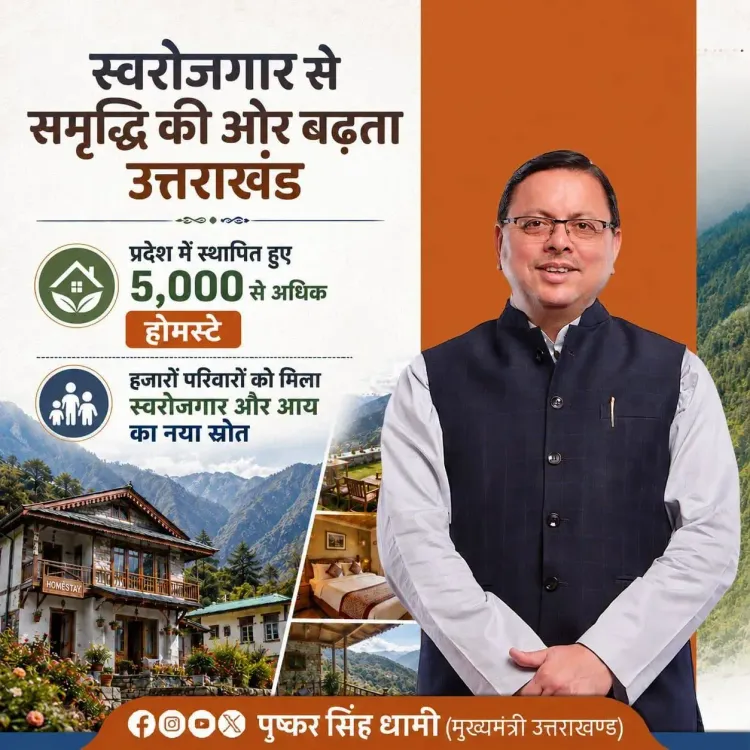
Uttarakhand CM Pushkar Singh Dhami announced that more than 5,000 homestays have been registered under the state's tourism-linked livelihood scheme, generating self-employment for thousands of rural families and giving fresh visibility to local culture and traditions.
Key Takeaways
More than 5,000 homestays have been registered under Uttarakhand's state homestay scheme as of June 2026 .
The scheme aims to link tourism directly to the local economy, providing self-employment to thousands of rural families.
CM Pushkar Singh Dhami stated that participating households have seen a notable rise in income.
The initiative has also generated wider recognition for local Pahadi culture, traditions, and rural tourism destinations.
Uttarakhand notified homestay regulations in 2018–19 ; the current drive scales that framework under the Dhami administration.
The approach mirrors similar community-based tourism programmes in Himachal Pradesh and Sikkim , often aligned with central schemes like Swadesh Darshan .
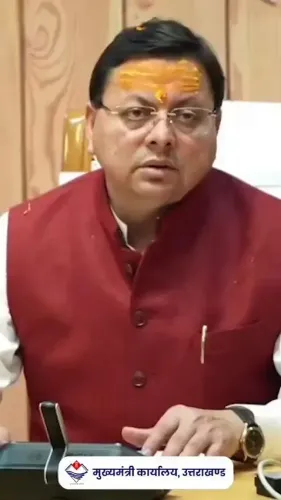
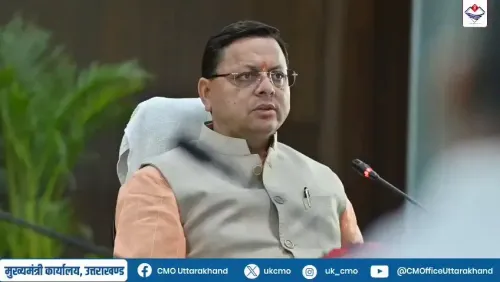
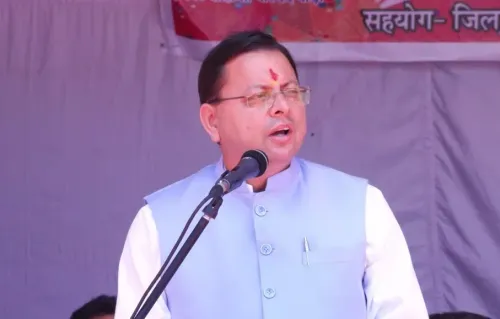
Uttarakhand Chief Minister Pushkar Singh Dhami on Saturday, 20 June 2026, highlighted the state's expanding homestay initiative, stating that more than 5,000 homestays have been registered under the programme aimed at linking tourism directly to the local economy. The scheme has generated self-employment opportunities for thousands of families across the state and has led to a notable rise in household incomes.
In his post, CM Dhami wrote: 'पर्यटन को स्थानीय अर्थव्यवस्था से जोड़ने के उद्देश्य से प्रदेश में होमस्टे को प्रोत्साहित किया जा रहा है' — 'Homestays are being encouraged in the state with the objective of linking tourism to the local economy' — adding that the effort has also given new recognition to local culture, traditions, and tourism in rural areas.
Context
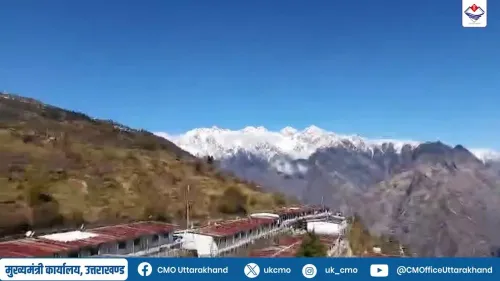
Uttarakhand, a Himalayan state formed in 2000, has long depended on tourism — particularly pilgrimage circuits such as the Char Dham route — as a primary economic driver. However, the bulk of tourism revenue historically flowed to urban centres and large hospitality operators, leaving rural and hill-district households with limited participation in the sector's gains. The homestay scheme was designed to bridge that gap by converting private residences into registered tourist accommodations.
Policy Backdrop
Uttarakhand notified homestay regulations in 2018–19, establishing a formal framework for registration, quality standards, and revenue sharing for households willing to host tourists. The policy fits within a broader national thrust — including central schemes such as Swadesh Darshan — that encourages decentralised, community-based tourism infrastructure rather than large-scale hotel development. Comparable programmes have been active in Himachal Pradesh and Sikkim, with post-COVID tourism revival packages giving fresh momentum to such initiatives across Himalayan states.
Under Chief Minister Dhami's administration, the push has been to scale registrations and ensure that rural households, particularly in remote hill districts, are formally integrated into the tourism value chain. The government has positioned homestays as a vehicle for self-employment (swayarozgar) rather than wage-dependent labour, giving families direct ownership of their income streams.
Stakeholders and Impact
The primary beneficiaries are rural households in hill districts who now earn supplementary income from hosting tourists. Beyond direct income, the scheme has created downstream demand for local produce, handicrafts, and cultural performances, strengthening the broader village economy. Tourism operators and travel aggregators have also benefited from an expanded, more diverse accommodation inventory across the state.
A significant cultural dividend has accompanied the economic one: as CM Dhami noted, the programme has given 'new recognition' to local traditions and customs, with tourists seeking authentic Pahadi experiences rather than standardised hotel stays. This has incentivised host families to preserve and present their cultural heritage as a livelihood asset.
What's Next
The state tourism department is expected to report on occupancy rates and may announce fresh registration targets in the upcoming budget session. Observers will watch whether the government introduces tiered incentives or quality-grading mechanisms to sustain tourist interest and ensure that the income gains cited by CM Dhami translate into durable, year-round livelihoods rather than seasonal earnings. Alignment with central tourism revival packages could also unlock additional funding for homestay infrastructure upgrades across Uttarakhand's remoter districts.
Point of View
Not just infrastructure optics — a message calibrated ahead of any electoral cycle. The homestay milestone sits within a wider Himalayan-state pattern of using tourism policy as a substitute for industrial job creation in ecologically sensitive zones. The cultural preservation angle is politically useful too, framing economic necessity as identity pride. The real test will be whether occupancy data and income surveys validate the headline numbers, or whether registration counts outpace actual tourist footfall.
NationPress
19 Sept 2026
Frequently Asked Questions
What is the Uttarakhand homestay scheme?
The Uttarakhand homestay scheme is a state government programme that allows private households — particularly in rural and hill areas — to register their homes as tourist accommodations, earning income directly from visitors. The state notified formal regulations for the scheme in 2018–19.
How many homestays have been registered in Uttarakhand?
According to Chief Minister Pushkar Singh Dhami's post on 20 June 2026, more than 5,000 homestays have been registered under the state's scheme.
How does the homestay scheme help rural families in Uttarakhand?
The scheme provides self-employment opportunities to rural households by letting them earn directly from hosting tourists, reducing dependence on seasonal agriculture or migration for work. CM Dhami stated that participating families have seen a notable increase in income.
Is Uttarakhand's homestay scheme linked to any central government programme?
The state scheme aligns with central tourism initiatives such as Swadesh Darshan, which promotes community-based and cultural tourism. However, the Uttarakhand homestay regulations are a state-level policy framework.
Which other Himalayan states have similar homestay programmes?
Himachal Pradesh and Sikkim run comparable community-based homestay programmes aimed at generating rural income from tourism, often supported by post-COVID tourism revival packages and central scheme funding.