India leads SIAL Paris 2026 as Partner Country, small farmers at centre stage
Synopsis
India made its mark as Partner Country at SIAL Paris 2026, the world's premier food industry trade show, with a pavilion titled 'Feeding Our Tomorrow' that put small farmer innovation front and centre. From a Maharashtra drone pilot cutting irrigation time from a full day to eight minutes, to GI-tagged Naga chilli and makhana, India's pitch to European buyers blends heritage with technology — and is now backed by a freshly concluded EU-India FTA.
Key Takeaways
India debuted as Partner Country at SIAL Paris 2026 , held at Paris Nord Villepinte from 17–21 October 2026 .
ITPO Chairman Jawed Ashraf led the delegation, highlighting sustainable, tech-driven farming and the role of women in India's agricultural transformation.
Nashik drone pilot Priyanka Rhushikesh Mohite demonstrated how drone irrigation cut water use from 200 litres to 10 litres per acre per session.
India's pavilion spotlighted GI-tagged products including Naga chilli and Mithila makhana , and premium packaged food offerings.
The EU-India FTA , concluded in January 2026 , is expected to be signed by year-end, opening zero or reduced tariff channels for Indian food products.
ITPO is reportedly considering offices in Frankfurt , Paris , Milan , and Rotterdam to strengthen its European footprint.
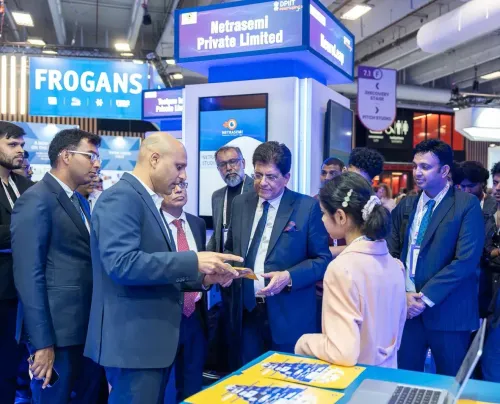
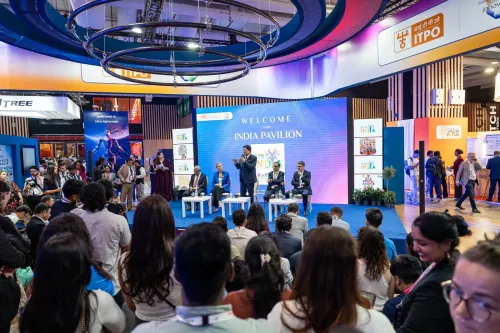
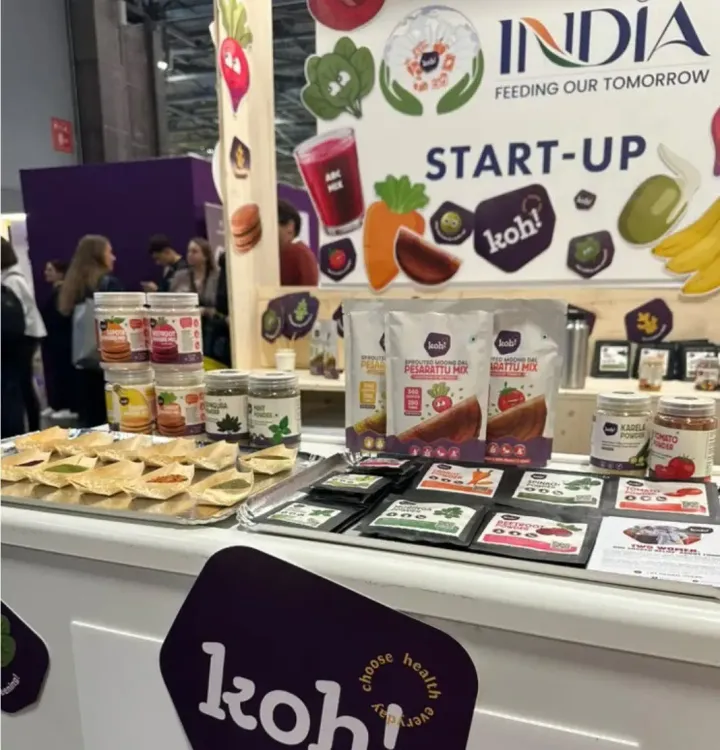
India presented its agricultural transformation — anchored in small farmer innovation, sustainability, and growing self-sufficiency — at SIAL Paris 2026, one of the world's largest food industry exhibitions. The India pavilion, titled 'Feeding Our Tomorrow', was the centrepiece of the country's debut as Partner Country at the event held at Paris Nord Villepinte from 17 to 21 October 2026.
India's Presence at SIAL Paris 2026
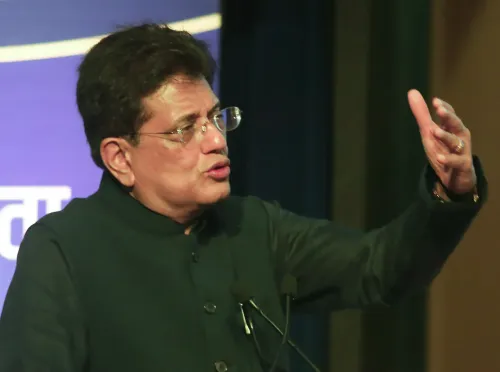
Jawed Ashraf, Chairman of the India Trade Promotion Organisation (ITPO), led India's delegation at the exhibition. Ashraf, who served as India's ambassador to France and Monaco from 2020 to 2024, described a structural shift in Indian agriculture — towards more sustainable, climate-resilient farming with reduced chemical use and improved traceability.
Emerging technologies including drones, sensors, artificial intelligence (AI), and the Internet of Things (IoT) are reportedly helping farmers manage water, fertilisers, and crop protection with greater efficiency — a growing advantage as extreme weather events put increasing pressure on global food production, according to reports.
Women Farmers Take the Spotlight
The United Nations has designated 2026 the 'International Year of the Woman Farmer', and Ashraf used the occasion to highlight the transformative role Indian women are playing in the country's agricultural sector. Many farmer-producer organisations across India are founded and led by women, contributing to higher household incomes and greater autonomy within rural communities.
Among those who travelled to Paris for the exhibition was Priyanka Rhushikesh Mohite, a certified agricultural drone pilot from Nashik in Maharashtra. Her drone is used to spray nano fertilisers and spread seeds. She noted that irrigating one acre once required a full day and around 200 litres of water; with the drone, the same task now takes seven to eight minutes and just 10 litres — a striking reduction in both labour and resource use.
Premium Foods, GI Tags and Traceability
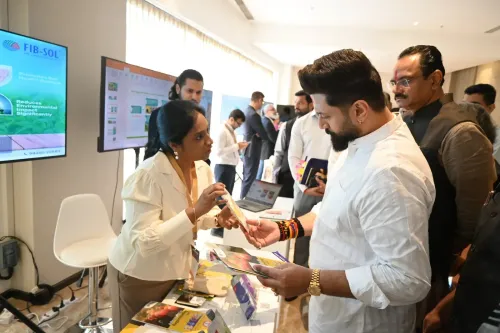
The SIAL pavilion placed significant emphasis on India's packaged, ready-to-eat, and premium food offerings, supported by robust traceability systems and Geographical Indication (GI) tags. Products spotlighted included Naga chilli and Mithila makhana — the edible seeds of the fox nut plant — as examples of India's region-specific food heritage that commands premium positioning in global markets.
India already feeds roughly one sixth of humanity, producing grains, fruit, vegetables, dairy, meat, and seafood at scale. Ashraf indicated that pairing this production capacity with more sustainable methods is central to India's long-term food strategy.
EU-India FTA and European Market Expansion
The EU-India Free Trade Agreement (FTA), concluded in January 2026, is expected to be signed by the end of the year. It builds on India's existing trade arrangements with the United Kingdom and the European Free Trade Association (EFTA), which have already opened up new opportunities for Indian food products through zero or reduced tariffs.
Ashraf expressed optimism that the FTA's benefits could extend to farmers and small and medium-sized enterprises (MSMEs), provided they meet European market requirements and successfully reach buyers. Notably, ITPO is also reportedly evaluating the opening of offices in several European cities, with Frankfurt, Paris, Milan, and Rotterdam among the options under consideration.
The challenge for India, according to reports, is to scale such technological and market-access progress more broadly — ensuring that gains are not confined to early-adopting farms but reach the wider smallholder community that defines Indian agriculture.
Point of View
Immediately after the EU-India FTA conclusion, is deliberate. The real question is whether the pavilion's promise translates into sustained export volumes for the smallholder majority, or whether it remains a curated highlight reel for European buyers. India's agricultural export growth has historically been uneven, concentrated in a handful of commodities and large processors. The GI-tag and women-farmer narrative is compelling, but without scalable logistics and consistent quality certification, the gap between showcase and supply chain will persist.
NationPress
22 Oct 2026
Frequently Asked Questions
What is SIAL Paris 2026 and why did India participate as Partner Country?
SIAL Paris is one of the world's largest food industry trade exhibitions, held at Paris Nord Villepinte. India participated as Partner Country in 2026, presenting its 'Feeding Our Tomorrow' pavilion to highlight small farmer innovation, sustainable agriculture, and premium food exports — timed to coincide with the conclusion of the EU-India Free Trade Agreement.
Who represented India at SIAL Paris 2026?
ITPO Chairman Jawed Ashraf led India's presence at the exhibition. Ashraf previously served as India's ambassador to France and Monaco from 2020 to 2024. Maharashtra-based drone pilot Priyanka Rhushikesh Mohite was among the farmers who travelled to Paris to demonstrate agricultural technology.
How does drone technology benefit Indian small farmers?
Agricultural drones are helping Indian small farmers significantly reduce water and labour use. Priyanka Rhushikesh Mohite from Nashik demonstrated that drone-based irrigation reduced water consumption from around 200 litres to just 10 litres per acre per session, cutting the time from a full day to seven to eight minutes.
What is the EU-India FTA and how does it affect Indian food exports?
The EU-India Free Trade Agreement was concluded in January 2026 and is expected to be signed by the end of the year. It builds on India's trade deals with the UK and EFTA, providing zero or reduced tariffs on Indian food products entering European markets — a significant opportunity for farmers and food MSMEs, according to ITPO.
Which Indian food products were highlighted at SIAL Paris 2026?
The India pavilion spotlighted GI-tagged products including Naga chilli and Mithila makhana (edible fox nut seeds), alongside packaged, ready-to-eat, and premium foods backed by traceability systems. These products represent India's regional food heritage and its push for premium positioning in global markets.