CM Himanta Flags Rare Species Finds in Assam's Goalpara
Synopsis
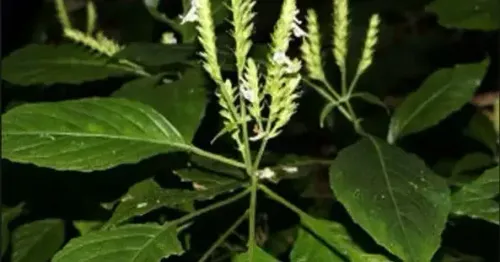
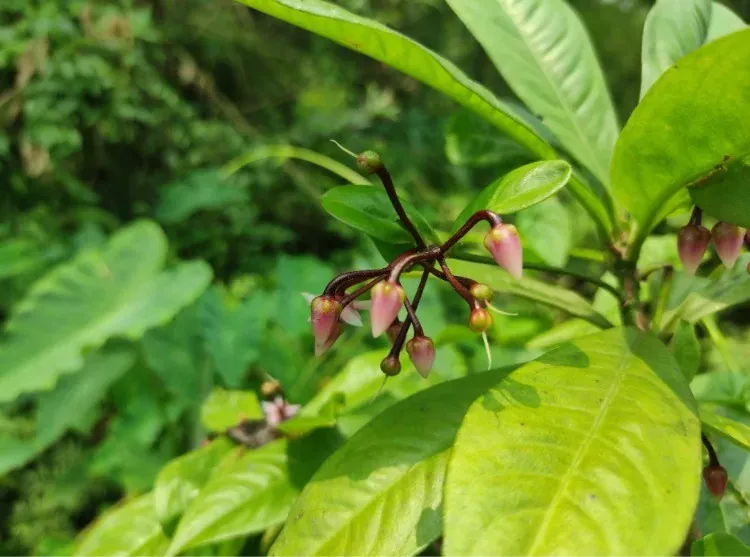
Assam CM Himanta Biswa Sarma announced three landmark biological finds: the rediscovery of the shrub Ardisia colorata after 204 years and the first-ever description of two subterranean fish species, Gitchak nakana and Rakthamichthys anchi, from wells in Goalpara district.
Key Takeaways
Ardisia colorata , a shrub absent from scientific records for 204 years , has been rediscovered in Assam .
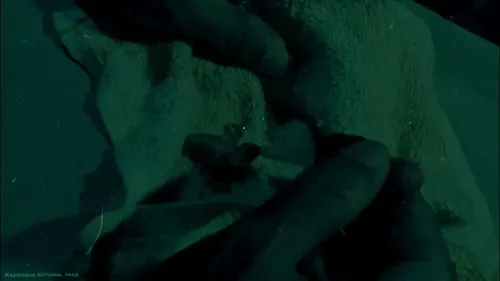
Two fish species new to science — Gitchak nakana and Rakthamichthys anchi — were found in the wells of Goalpara district .
Both fish are subterranean species, among the rarest vertebrate discoveries in any survey.
The finds are situated within the Indo-Burma biodiversity hotspot , one of the world's most threatened ecosystems.
CM Himanta Biswa Sarma linked the discoveries directly to state-level habitat conservation commitments under India's Convention on Biological Diversity framework.
Potential follow-up surveys and protected-habitat notifications in Goalpara are anticipated next steps.
A shrub last recorded 204 years ago has been found alive in Assam — and from the wells of Goalpara district, two fish species unknown to science have just been pulled into the light. Assam Chief Minister Himanta Biswa Sarma shared the remarkable triple discovery on Thursday, October 22, 2026, calling it proof of what the state's forests and waters still hold.
The shrub that vanished for two centuries — and came back
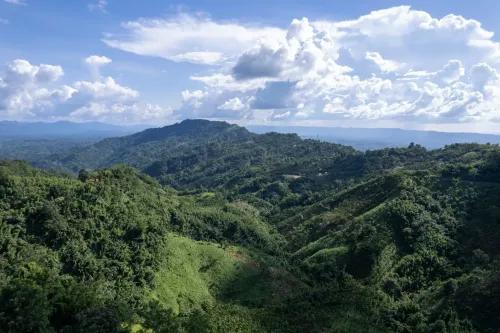
The rediscovery of Ardisia colorata — a flowering shrub absent from scientific records for roughly two centuries — is the headline find. While the research behind the exact timeline of its absence is recent field work, the rediscovery places Assam at the centre of what scientists call the Indo-Burma biodiversity hotspot, one of the planet's most species-rich and threatened ecosystems. A plant hiding in plain sight for that long is not a footnote; it is a signal about how much of this landscape remains genuinely unexplored.
Two fish from Goalpara's wells, new to science
If the shrub's return is dramatic, the fish are extraordinary. Gitchak nakana and Rakthamichthys anchi — both subterranean species found in the wells of Goalpara — are described as new to science entirely, not rediscoveries but first-ever formal descriptions. Subterranean fish, which evolve in total darkness, are among the rarest vertebrate finds anywhere. Their presence in Goalpara's groundwater points to an aquifer ecosystem that has barely been surveyed.
Northeast India has periodically delivered such finds — the region's dense forests and poorly-mapped cave and well systems have yielded new species records across several state-level surveys. But three finds in a single announcement, spanning two biological kingdoms, is uncommon.
Sarma's conservation signal and what it means for Goalpara
CM Sarma framed the discoveries explicitly as a governance argument: 'Protect the home, and the species come back.' The line is deliberate — it ties habitat conservation not just to ecological sentiment but to state policy accountability. Assam operates under the framework of India's commitment to the Convention on Biological Diversity, which the country ratified in 1994, requiring state-level biodiversity action plans. The Goalpara finds are likely to feed directly into those plans, with potential follow-up surveys and possible notifications on protected habitats in the district.
Local communities in Goalpara, forest officials, and biodiversity researchers will be the immediate stakeholders watching whether this announcement translates into protected-area notifications or budget allocations for systematic subterranean surveys. The CM's post closes with a pledge: 'Stronger environmental governance and habitat conservation remain our commitment, for every species, for generations to come.'
Point of View
Who has faced scrutiny over the balance between development and ecology in Northeast India — framing biodiversity wins as a governance dividend serves a clear narrative purpose. More substantively, the finds reinforce the scientific case for treating Assam's subterranean and forest habitats as priority survey zones, not just protected buffers. The CM's explicit linkage of species recovery to 'habitat protection' echoes a global shift in conservation language — away from reactive rescue toward proactive landscape stewardship. Whether this translates into enforceable protected-area expansions or remains rhetorical will be the real test of the commitment.
NationPress
22 Oct 2026
Frequently Asked Questions
What is Ardisia colorata and why is its rediscovery in Assam significant?
Ardisia colorata is a flowering shrub that had not appeared in scientific records for approximately 204 years before being rediscovered in Assam. Its return suggests that intact forest habitats in the state can support species long thought locally extinct or lost.
What are Gitchak nakana and Rakthamichthys anchi?
They are two subterranean fish species found in wells in Goalpara district, Assam, described as entirely new to science — meaning they had never been formally identified or named before this discovery.
Where exactly were the new fish species found in Assam?
Both subterranean fish species were discovered in wells located in Goalpara district in western Assam.
What is the Indo-Burma biodiversity hotspot and how does Assam fit in?
The Indo-Burma biodiversity hotspot is one of the world's most species-rich and threatened regions, spanning parts of Northeast India, Myanmar, and neighbouring areas. Assam sits within this hotspot, which is why its forests and aquatic systems continue to yield rare and previously unknown species.
What conservation steps is Assam taking after these discoveries?
CM Himanta Biswa Sarma has signalled continued habitat conservation and stronger environmental governance. Potential follow-up steps include additional biodiversity surveys in Goalpara and possible notifications designating sensitive habitats as protected zones under India's Convention on Biological Diversity framework.