IRGC warns US of military response over Strait of Hormuz interference
Synopsis
The IRGC Navy has declared the Strait of Hormuz closed to unauthorised transit and threatened a strict military response to any US naval interference — even as conflicting signals from Washington, with Trump announcing a blockade lift while the JMIC says it remains in force, leave commercial shipping in a dangerous grey zone.
Key Takeaways
IRGC Navy declared the Strait of Hormuz closed and warned of a 'strict military response' to any US Navy interference in its management.
Ships in the Persian Gulf and Gulf of Oman were told transit requires authorisation from the IRGC Navy via Iran-designated routes.
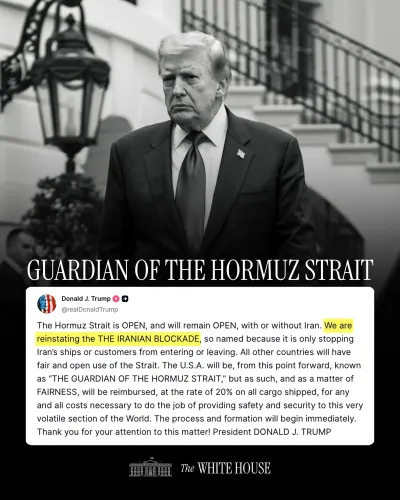
US President Donald Trump announced on Friday he would lift the US blockade of Iranian shipping, but the JMIC issued a simultaneous notice saying the blockade of Iranian ports remains in effect.
The JMIC warned that non-compliant vessels could be 'engaged by US forces,' including through actions to disable or destroy them.
A US military aircraft was recorded early Saturday ordering a vessel near the Strait to turn back immediately.
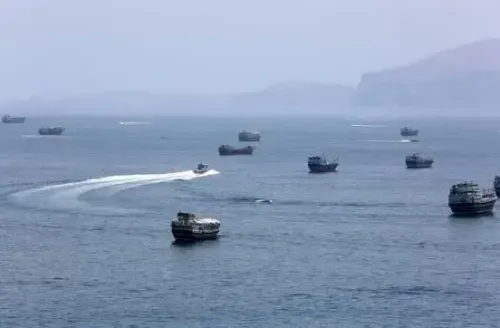
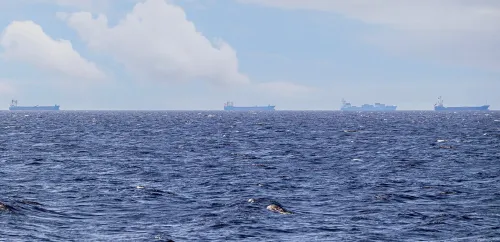
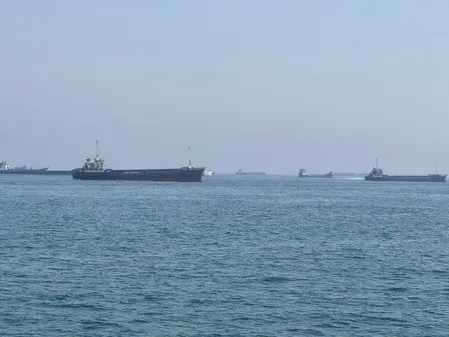
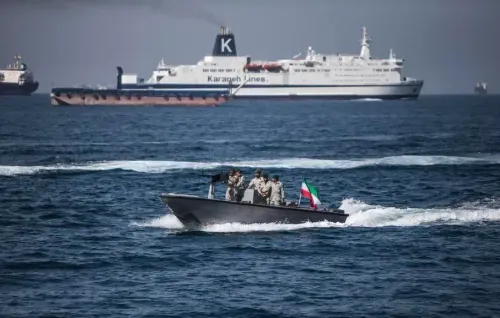
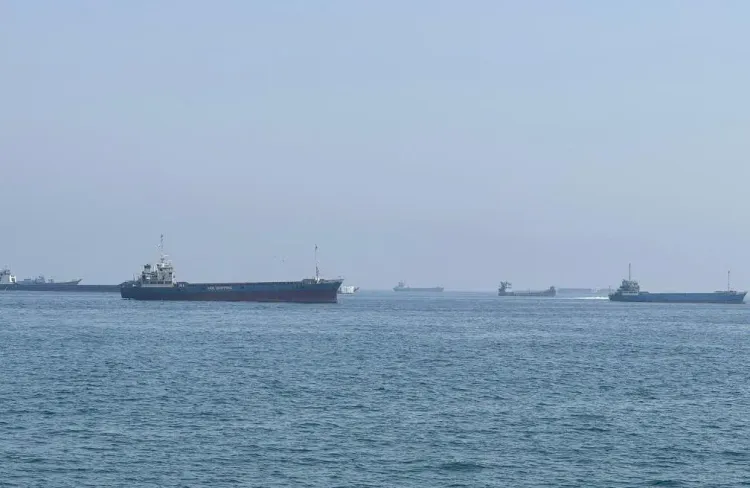
Iran's Islamic Revolution Guard Corps (IRGC) Navy has warned that any US interference in the management of the Strait of Hormuz will be met with a 'strict military response,' according to recordings from a public maritime radio channel obtained from crew members aboard vessels stranded near the strategic waterway.
What the IRGC Broadcast Said
The IRGC Navy issued a direct warning to ships operating in the Persian Gulf and the Gulf of Oman, declaring the Strait of Hormuz closed to unauthorised transit. According to the recordings, the broadcast stated that passage is permitted only with authorisation from the IRGC Navy and through routes designated by the Islamic Republic of Iran.
The warning further stated that violations of these regulations would 'seriously jeopardise maritime security.' In the same broadcast, the IRGC Navy explicitly cautioned that any action by the US Navy aimed at interfering in 'the management of the Strait of Hormuz or disrupting navigation' would face strict military action.
The Contradictory US Signals
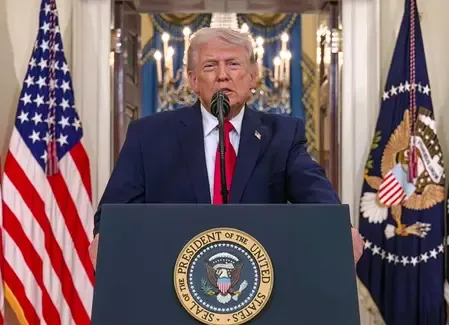
The warning comes amid conflicting signals from Washington. US President Donald Trump announced on Friday that he would lift the US blockade of Iranian shipping in the Strait of Hormuz. However, a notice issued the same day by the Joint Maritime Information Center (JMIC) through the United Kingdom Maritime Trade Operations stated that the US blockade of Iranian ports remains in effect.
The JMIC — a multinational maritime advisory body operating under a US-led framework — also warned that vessels refusing to comply with blockade instructions could be 'engaged by US forces,' including through actions intended to disable or destroy them. The contradiction between Trump's announcement and the JMIC notice has deepened uncertainty for commercial shipping operators in the region.
US Aircraft Warning Recorded
Recordings from the same public maritime radio channel, provided by seafarers near the Strait of Hormuz, indicated that a US military aircraft broadcast a warning to a vessel early Saturday, instructing it to turn back immediately and stating that its course was being monitored.
Why the Strait of Hormuz Matters
The Strait of Hormuz is one of the world's most critical maritime chokepoints, through which an estimated 20% of global oil trade passes. Any sustained disruption to navigation in the waterway would have immediate consequences for global energy markets and supply chains. This is not the first time the IRGC has issued such warnings — similar broadcasts have accompanied past escalations between Iran and the United States over Gulf navigation rights.
With conflicting directives from Washington and a firm military posture from Tehran, commercial vessels in the region face significant operational uncertainty. How the situation develops in the coming days will be closely watched by energy markets, regional navies, and diplomatic channels alike.
Point of View
Each backed by the threat of force. If this contradiction is not resolved swiftly at the policy level, the risk of an incident — accidental or otherwise — in one of the world's most consequential waterways rises sharply.
NationPress
15 Oct 2026
Frequently Asked Questions
What did the IRGC Navy warn about the Strait of Hormuz?
The IRGC Navy declared the Strait of Hormuz closed to unauthorised transit and warned that any US Navy interference in its management would face a strict military response. The warning was broadcast on a public maritime radio channel and instructed ships to seek IRGC authorisation for passage.
Why are there conflicting US signals about the Hormuz blockade?
US President Donald Trump announced on Friday that he would lift the US blockade of Iranian shipping in the Strait of Hormuz, but the Joint Maritime Information Center issued a notice the same day stating the blockade of Iranian ports remains in effect. The contradiction has created significant uncertainty for commercial vessels in the region.
What is the Joint Maritime Information Center (JMIC)?
The JMIC is a multinational maritime advisory body operating under a US-led framework. It issued a notice warning that vessels refusing to comply with blockade instructions could be engaged by US forces, including through actions intended to disable or destroy them.
Why is the Strait of Hormuz strategically important?
The Strait of Hormuz is one of the world's most critical maritime chokepoints, through which an estimated 20% of global oil trade passes. Any sustained disruption to navigation there has immediate consequences for global energy markets and supply chains.
Was there any recorded US military activity near the Strait?
Yes. Recordings from a public maritime radio channel, provided by seafarers near the Strait of Hormuz, indicated that a US military aircraft broadcast a warning to a vessel early Saturday, instructing it to turn back immediately and stating its course was being monitored.