Trump Connects Hormuz Tensions to Oil Profit Potential
Synopsis
U.S. President Donald Trump has linked the ongoing tensions in the Gulf to lucrative oil opportunities in the Strait of Hormuz, suggesting a potential reopening for maritime traffic. As shipping activities show signs of revival, the implications for global energy supplies become increasingly significant.
Key Takeaways
Trump highlights potential oil profits from reopening the Strait of Hormuz.
Shipping activity is slowly recovering after recent disruptions.
Iran's navigation corridor has complicated maritime routes.
Omani vessels are circumventing Iranian controls.
Ownership of vessels remains unclear , complicating monitoring efforts.
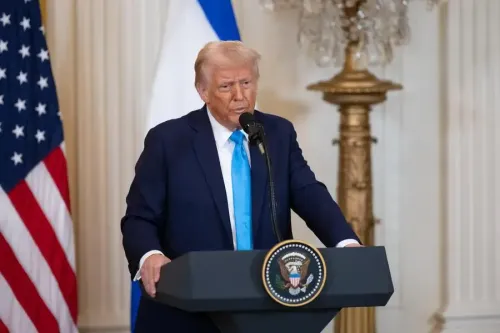
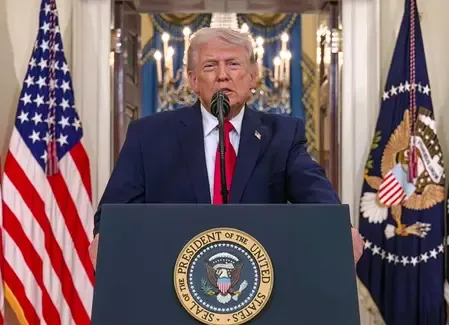
Washington, April 3 (NationPress) Amid ongoing tensions in the Gulf region, U.S. President Donald Trump indicated on Friday that the Strait of Hormuz might be reopened for oil opportunities, calling it a chance to “AMASS A FORTUNE,” as signs of renewed maritime traffic emerge.
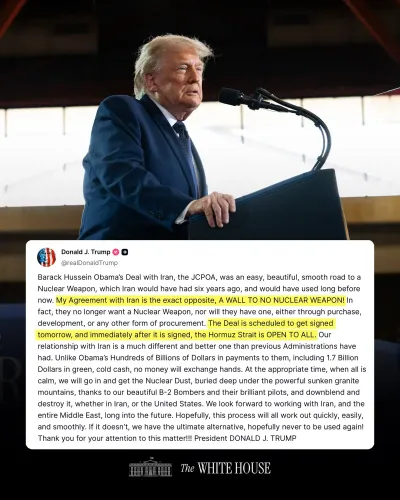
“With just a bit more time, we can effortlessly REOPEN THE HORMUZ STRAIT, HARVEST THE OIL, & AMASS A FORTUNE. IT WOULD BE A ‘GUSHER’ FOR THE WORLD!?” Trump proclaimed in a social media update.
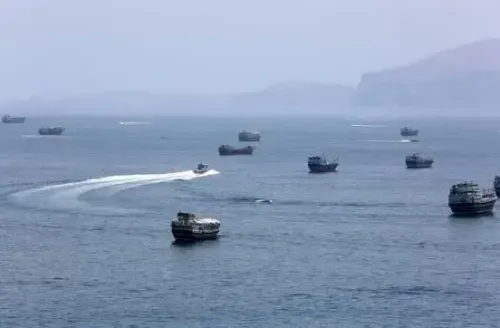
His comments coincide with new statistics revealing a cautious resurgence of shipping activities through this vital waterway, which plays a critical role in global energy supply routes.
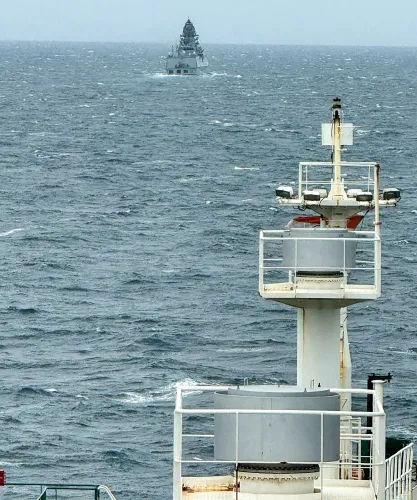
According to maritime intelligence company Windward, 16 vessels navigated the strait on April 1, marking the third day in a row of shipping movements following a period of significant disruption.
Additional data illustrated that 16 cargo ships passed through on Wednesday, an increase from 11 the day before, indicating a slow recovery, though still significantly below pre-conflict levels.
The disruptions began in mid-March when Iran mandated a navigation corridor controlled by the Islamic Revolutionary Guard Corps (IRGC), compelling vessels to modify their routes and operate under Iranian oversight.
Recent shipping activity suggests that some operators are beginning to test these restrictions.
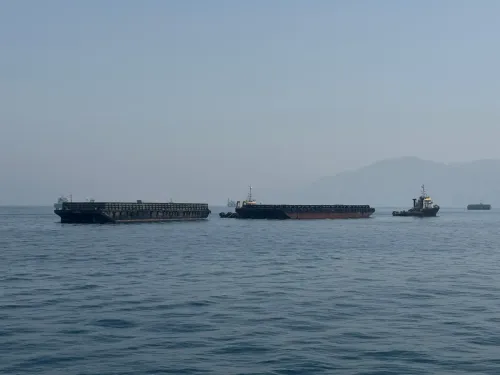
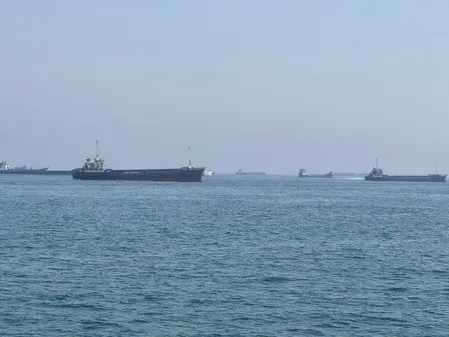
Per Windward, as of April 2, approximately 656 vessels were in the Arabian Gulf, divided between cargo ships (55 percent) and tankers (45 percent). Traffic remains uneven, with merely one inbound transit recorded against eight outbound movements, primarily dominated by container and tanker departures.
Three vessels under Omani control—comprising two oil tankers and one liquefied natural gas carrier—successfully exited the strait using standard international navigation routes, circumventing the Iranian-controlled corridor.
Among these was the LNG tanker Sohar, which reached waters near Muscat, marking the first LNG carrier to transit the strait since the escalation of the conflict.
A container ship associated with French logistics powerhouse CMA CGM also navigated through the strait, representing one of the first known passages by a Western-linked vessel since the restrictions tightened.
Windward's report highlights the prevalence of so-called flag-of-convenience registries in the region, with Panama leading at 142 vessels, followed by Liberia (95), Marshall Islands (93), and Iran (37), indicating a blend of commercial and higher-risk shipping profiles.
Ownership structures remain unclear. The firm noted that vessels traversing the strait involve beneficial owners from China, India, Turkey, and Iran, with around 25 percent of ships having undisclosed ownership—a trend analysts suggest complicates monitoring and enforcement.
Point of View
The situation in the Strait of Hormuz remains critical. President Trump's comments reflect a strategic view of leveraging geopolitical tensions for potential economic gain. However, the complexities of international shipping and the implications of Iranian controls complicate the narrative, highlighting the need for a cautious approach to navigating this volatile region.
NationPress
7 Oct 2026
Frequently Asked Questions
What did Trump say about the Strait of Hormuz?
Trump suggested that reopening the Strait of Hormuz could lead to significant oil profits, describing it as a chance to 'make a fortune.'
What is the current situation in the Gulf?
Tensions in the Gulf continue, but there are signs of renewed maritime traffic through the Strait of Hormuz, indicating a cautious recovery.
How many vessels transited the Strait recently?
On April 1, 16 vessels transited the Strait, marking a third consecutive day of movement amid previous disruptions.
What measures did Iran impose on navigation?
Iran established a mandatory navigation corridor overseen by the IRGC, forcing vessels to alter their routes and operate under Iranian supervision.
What are flag-of-convenience registries?
These are shipping registries that allow ship owners to register their vessels in a country with favorable regulations, often for tax or operational advantages.