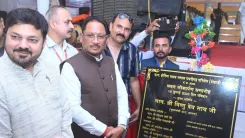
CM Dhami launches Inclusive Education Mission-2030 books in Dehradun

Synopsis
Uttarakhand Chief Minister Pushkar Singh Dhami launched books for the state's Inclusive Education Mission-2030 in Dehradun on 19 July 2026, advancing a NEP 2020-aligned drive to bring children with disabilities and marginalised students into mainstream schooling by the decade's end.
Key Takeaways
CM Pushkar Singh Dhami presided over the book launch of the Inclusive Education Mission-2030 in Dehradun on 19 July 2026 .
The mission targets full educational inclusion of children with disabilities and marginalised groups in Uttarakhand's school system.
The initiative is aligned with the National Education Policy 2020 , which mandates inclusive education frameworks across all states by 2030 .
Uttarakhand's programme also reflects India's commitments under the UN Convention on the Rights of Persons with Disabilities .
Next steps include rollout of teacher training modules , school infrastructure audits, and potential budget announcements in the upcoming state assembly session.
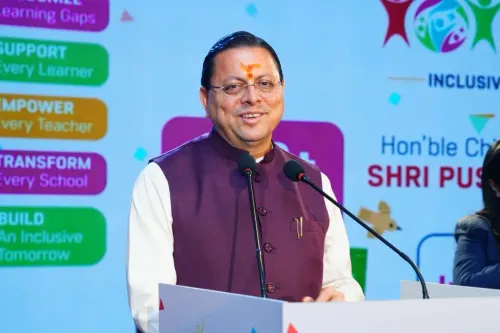
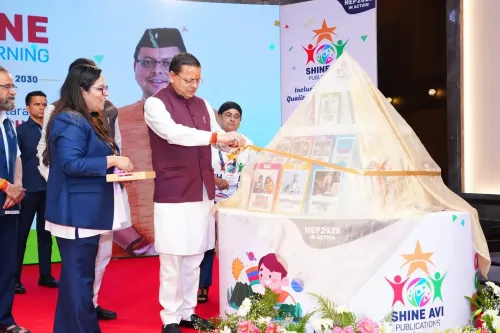
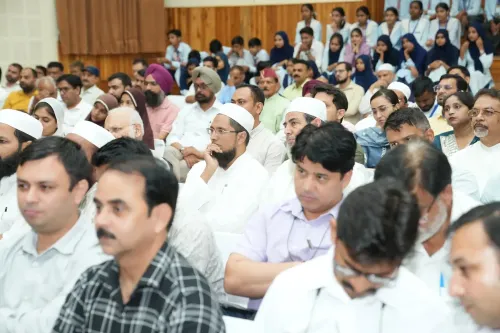
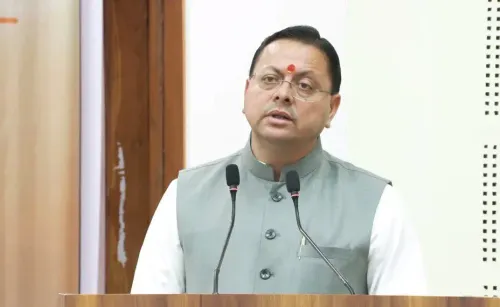
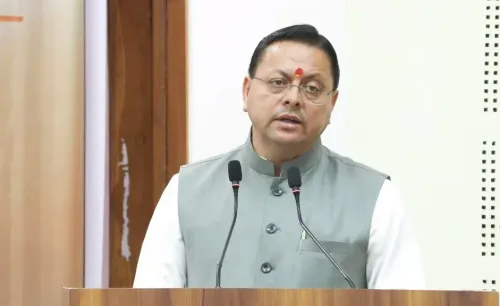
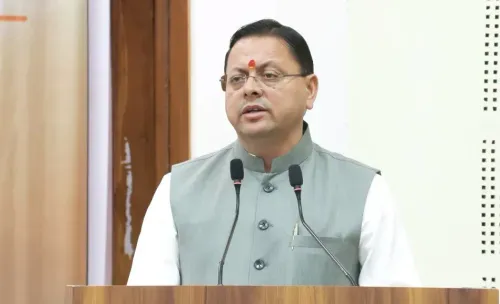
Uttarakhand Chief Minister Pushkar Singh Dhami presided over the book launch ceremony of the Inclusive Education Mission-2030 in Dehradun on Sunday, 19 July 2026, marking a significant step in the state's drive to make schooling accessible to children with disabilities and marginalised communities.
Context
The event, broadcast live, centred on the formal release of books developed under Uttarakhand's Inclusive Education Mission-2030 — a state initiative designed to ensure that no child, regardless of physical or socio-economic circumstance, is left outside the formal education system. Dehradun, the state capital, served as the venue, signalling the government's intent to anchor the programme at the administrative heart of Uttarakhand.
Chief Minister Dhami shared the live-stream of the lokokarpan karyakram (book launch programme) directly on his official social media handle, underscoring the administration's effort to give the occasion wide public visibility.
Policy Backdrop
The mission draws its mandate from the National Education Policy 2020, which directed every state to build inclusive, equitable education frameworks with a clear horizon of 2030 — aligned also with India's obligations under the UN Convention on the Rights of Persons with Disabilities. The NEP 2020 specifically calls for the full participation of children with special needs in mainstream schooling by that deadline.
Uttarakhand's programme fits into a broader national pattern in which states have developed localised missions to translate NEP 2020's equity goals into on-ground action. The launch of dedicated instructional materials represents an early, concrete deliverable of that framework at the state level.
Stakeholders and Impact
The primary beneficiaries of the Inclusive Education Mission-2030 are children with disabilities and students from marginalised groups enrolled in Uttarakhand's government school network. Teachers stand as the critical implementation layer — the quality of training modules rolled out alongside these books will determine how effectively the curriculum reaches intended learners.
School administrators and district education officers will be responsible for infrastructure audits and enrolment tracking, while parents of children with special needs have a direct stake in whether the mission translates into accessible classrooms and adapted learning materials.
What's Next
Attention will now turn to the rollout of teacher training modules and audits of school infrastructure across Uttarakhand's districts to assess readiness for inclusive delivery. Budget allocations in the next Uttarakhand Legislative Assembly session will be a key indicator of the government's financial commitment to sustaining the mission through to 2030.
With the books now formally launched, the administration faces the harder task of building the classroom capacity — trained educators, accessible facilities, and adaptive resources — needed to make the mission's goals a lived reality for students across the state.
Point of View
Low-controversy deliverable that allows the Dhami administration to demonstrate alignment with the Centre's NEP 2020 agenda while addressing a constituency — families of children with disabilities — that cuts across political lines. Launching dedicated instructional materials is a necessary first step, but education analysts will watch whether teacher training and infrastructure investment follow at the pace the 2030 deadline demands. The event also fits a pattern among BJP-governed states of staging high-profile launches tied to national policy frameworks, using them to signal reform intent ahead of assembly cycles. The real test of the mission's credibility will come in budget allocations and enrolment data over the next two to three years.
NationPress
19 Jul 2026
Frequently Asked Questions
What is Uttarakhand's Inclusive Education Mission-2030?
It is a state government initiative aimed at making education fully accessible to children with disabilities and marginalised groups in Uttarakhand's schools by the year 2030, aligned with the National Education Policy 2020.
What did CM Dhami launch in Dehradun on 19 July 2026?
Chief Minister Pushkar Singh Dhami launched books developed under the Inclusive Education Mission-2030 at a formal ceremony in Dehradun on 19 July 2026.
How is Uttarakhand's Inclusive Education Mission linked to NEP 2020?
The National Education Policy 2020 directed all Indian states to create inclusive education frameworks ensuring participation of children with special needs by 2030; Uttarakhand's mission is the state's localised implementation of that mandate.
Who benefits from the Inclusive Education Mission-2030 in Uttarakhand?
The primary beneficiaries are children with disabilities and students from marginalised communities enrolled in Uttarakhand government schools, along with teachers who will receive specialised training under the mission.
What are the next steps after the book launch for Uttarakhand's education mission?
The government is expected to roll out teacher training modules, conduct school infrastructure audits, and may announce budget allocations for the mission in the next Uttarakhand Legislative Assembly session.