CM Dhami Pushes 'Nation First' Education in Uttarakhand
Synopsis
Uttarakhand CM Pushkar Singh Dhami on 1 July 2026 called for equal, quality, nationally grounded education for all state children, rejecting extremist and separatist curricula, and linking school reform to the 'Viksit Bharat' development vision.
Key Takeaways
CM Pushkar Singh Dhami on 1 July 2026 called for uniform, quality, national-interest-based education for all children in Uttarakhand .
He stated that education promoting extremism or separatist ideology can never form the basis of a nation's welfare, progress, or unity.
The stated goal is to cultivate a 'Nation First' spirit among students to contribute to Viksit Uttarakhand and Viksit Bharat .
The remarks align with the National Education Policy 2020 framework emphasising Indian knowledge systems and national values.
The statement follows a broader pattern seen in BJP-governed states of integrating nation-first themes into school curricula since 2014 .
Concrete policy follow-through — curriculum changes, budget allocations, or new school regulations — is yet to be announced.
Uttarakhand Chief Minister Pushkar Singh Dhami on Wednesday, 1 July 2026 called for uniform, quality education rooted in national interest across all schools in the state, warning that curricula promoting extremism and separatist ideology can never serve a nation's welfare, progress, or unity.
Context
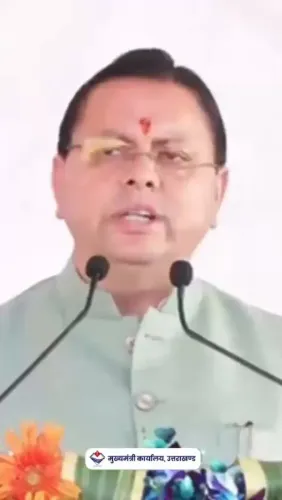
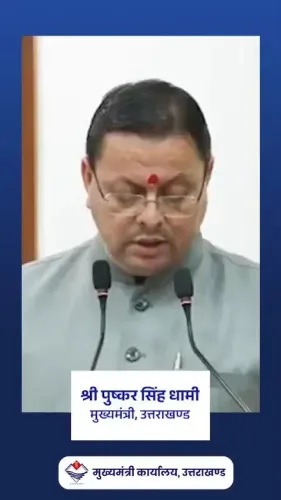
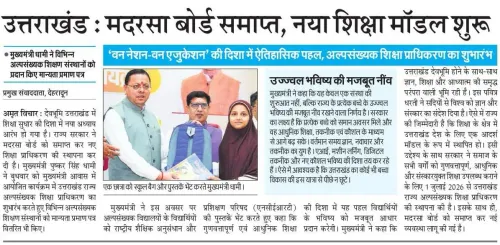
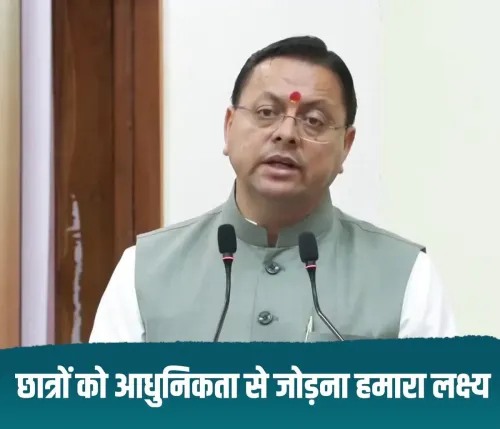
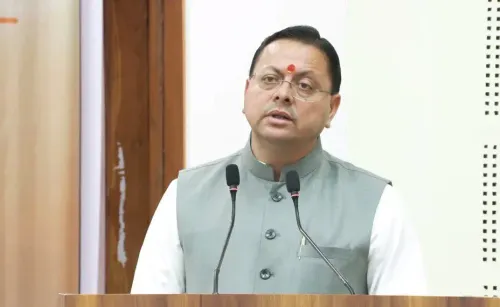
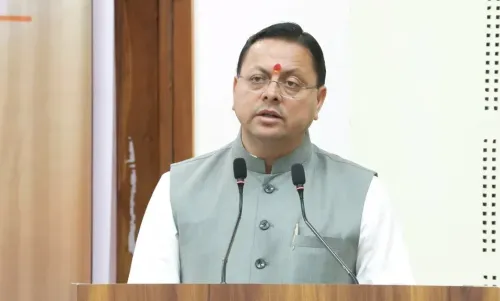
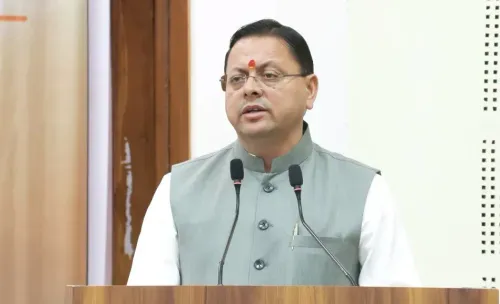
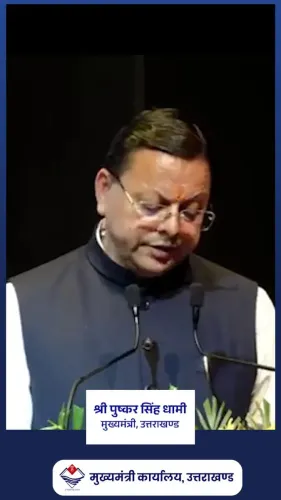
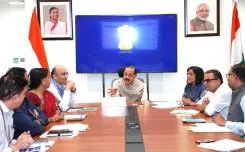
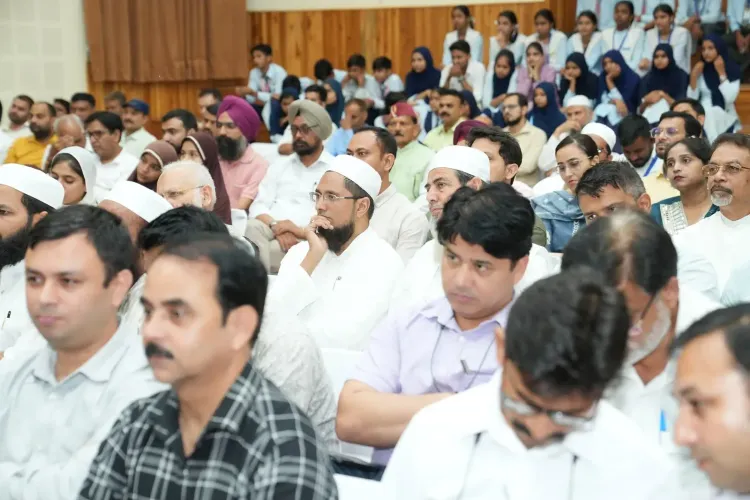
In a post on X, CM Dhami stated — 'यह आवश्यक है कि प्रदेश के सभी बच्चों को समान, गुणवत्तापूर्ण एवं राष्ट्रहित पर आधारित शिक्षा प्राप्त हो' ('It is essential that all children in the state receive equal, quality education grounded in national interest'). He added that education which promotes extremism and separatist ideology can never become the foundation of any nation's welfare, progress, or unity. The post was accompanied by four images, indicating an on-ground engagement or an official programme related to education.
The Chief Minister framed the goal explicitly: 'Our aim is to develop a 'Nation First' spirit among students, so that they can actively and positively contribute to building a Viksit Uttarakhand (Developed Uttarakhand) and a Viksit Bharat (Developed India).' The statement directly ties school-level education reform to the broader national development vision.
Policy Backdrop
The remarks align closely with the framework of the National Education Policy (NEP) 2020, adopted in July 2020, which replaced the 1986 education policy. The NEP emphasises foundational literacy, multidisciplinary learning, and the integration of Indian knowledge systems — providing a policy umbrella under which state governments have been restructuring curricula.
Uttarakhand, governed by the BJP, has been among the states actively implementing NEP provisions at the school level. CM Dhami's administration has consistently emphasised values-based education and equitable access to schooling across the state's hilly and remote regions, where infrastructure gaps have historically limited quality learning outcomes.
Across several BJP-ruled states, similar messaging around 'nation first' curricula and countering perceived separatist influences in textbooks has emerged as a recurring governance theme since 2014. Dhami's statement situates Uttarakhand firmly within that broader pattern.
Stakeholders and Impact
The primary stakeholders are Uttarakhand's school students, teachers, and the state education department. For students — particularly in remote Himalayan districts with limited access to quality schooling — a push for uniform, quality education could translate into curriculum standardisation and improved teacher deployment, though implementation timelines remain to be announced.
The reference to extremism and separatist ideology signals that the state government may be scrutinising content in privately run or minority-managed educational institutions, a politically sensitive area that has drawn debate in other states. No specific institution or incident was named in the post, and NationPress cannot independently verify the specific trigger for the 1 July 2026 statement.
What's Next
Attention will now turn to the Uttarakhand state education department's concrete follow-through — including any curriculum revision announcements for the upcoming academic session, state budget allocations for school education, and whether new regulatory guidelines for private or religious schools are tabled in the state assembly.
If the government moves from statement to policy, the changes would affect lakhs of students enrolled in state-run and aided schools across Uttarakhand's 13 districts. The alignment of state education goals with the Viksit Bharat vision suggests such announcements could come packaged alongside central government schemes in the months ahead.
Point of View
Reinforcing vertical alignment between Dehradun and New Delhi. Whether this translates into enforceable curriculum policy or remains aspirational messaging will determine its real impact on Uttarakhand's lakhs of schoolchildren. The absence of specific legislative or budgetary detail leaves the statement open to being read as either a precursor to substantive reform or routine political positioning ahead of the next academic cycle.
NationPress
30 Sept 2026
Frequently Asked Questions
What did Uttarakhand CM Dhami say about education on 1 July 2026?
CM Pushkar Singh Dhami said all children in Uttarakhand must receive equal, quality education grounded in national interest, and that curricula promoting extremism or separatist ideology can never serve a nation's welfare or unity.
What is the 'Nation First' education policy in Uttarakhand?
'Nation First' in this context refers to CM Dhami's stated goal of developing a patriotic, nationally oriented spirit among students so they contribute to building a 'Viksit Uttarakhand' and 'Viksit Bharat', in line with the NEP 2020 framework.
How does Uttarakhand's education push relate to NEP 2020?
The National Education Policy 2020 provides the central framework for integrating Indian knowledge systems and national values into curricula. CM Dhami's remarks align with NEP 2020's emphasis on equity, quality, and foundational learning.
Is Uttarakhand changing school textbooks or curricula in 2026?
CM Dhami's statement signals intent but no specific curriculum changes, textbook revisions, or budget allocations have been announced as of 1 July 2026. Concrete policy follow-through is awaited from the state education department.
Which schools in Uttarakhand does Dhami's education statement apply to?
The statement refers broadly to 'all children in the state', implying state-run, aided, and potentially private schools. No specific category of institution was named in the post.