CM Dhami Backs Historic Decision for Minority Education Reform
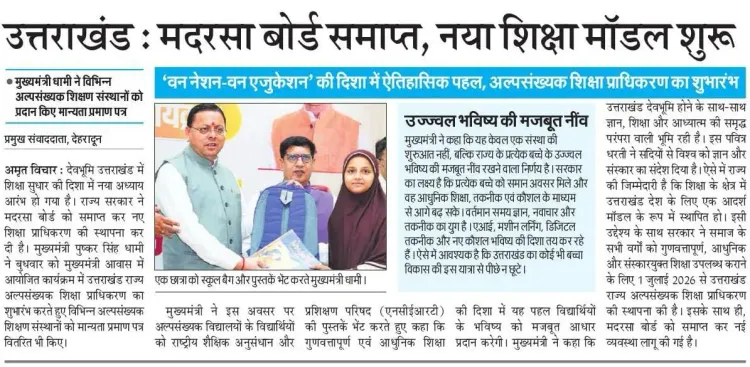
Synopsis
Uttarakhand Chief Minister Pushkar Singh Dhami on 2 July 2026 endorsed a 'historic decision' to strengthen transparency, accountability, and equality in education for minority community children, promising modern and employment-oriented learning to help them become self-reliant contributors to nation-building.
Key Takeaways
Uttarakhand CM Pushkar Singh Dhami publicly backed a 'historic decision' on 2 July 2026 focused on minority education reform.
The decision is described as strengthening transparency, accountability, and equality in the state's education system.
Minority community children are to receive modern, quality, and employment-oriented education with equal opportunities.
The move aligns with Uttarakhand's adoption of NEP 2020 from 2021 and the broader national Sabka Saath Sabka Vikas framework.
Specific scheme notifications, budget details, and legislative provisions are yet to be formally announced by the state education department.
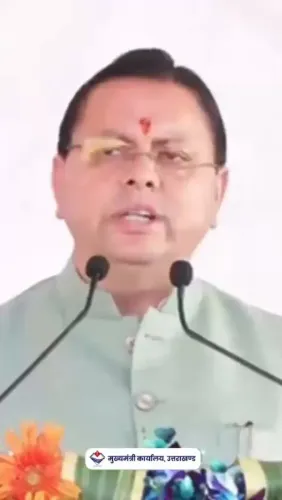
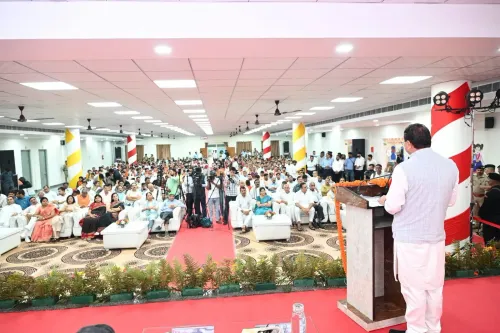
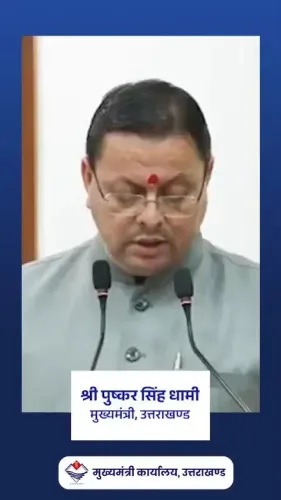
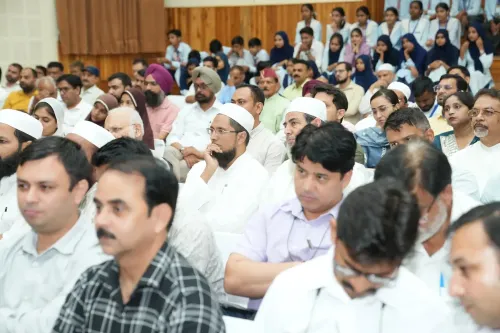
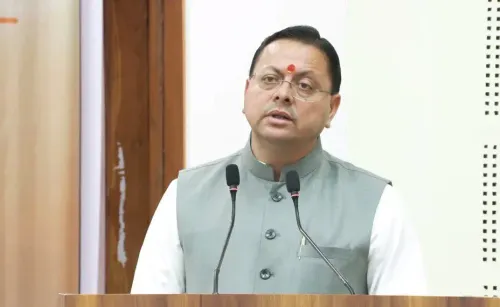
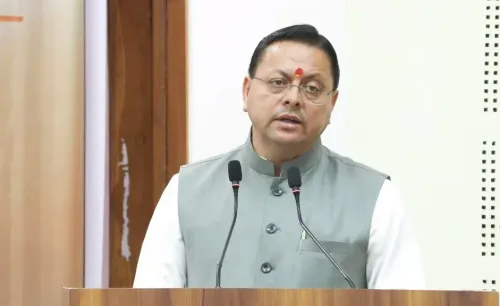
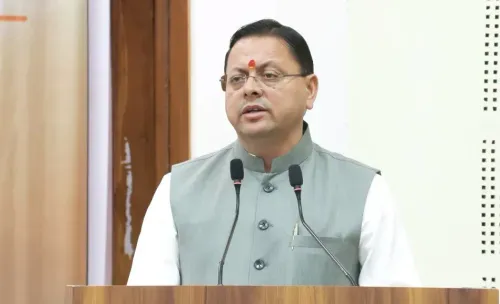
Uttarakhand Chief Minister Pushkar Singh Dhami on Thursday, 2 July 2026, publicly endorsed what he described as a 'historic decision' aimed at strengthening transparency, accountability, and equality in the education system, with a particular focus on expanding opportunities for children from minority communities.
Context
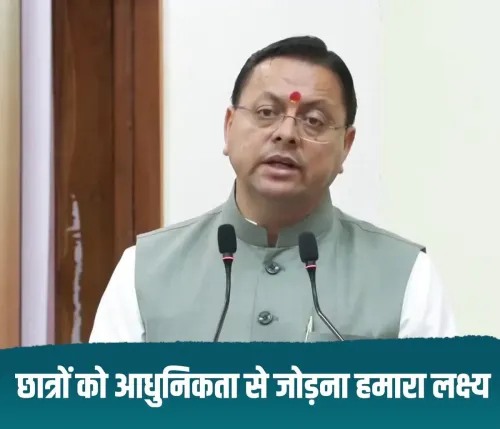
Dhami, responding on X (formerly Twitter), stated that the decision would empower minority community children with modern, quality, and employment-oriented education, enabling them to become self-reliant and contribute effectively to nation-building. In his words: 'यह ऐतिहासिक निर्णय शिक्षा व्यवस्था में पारदर्शिता, जवाबदेही और समानता को सशक्त करेगा' ('This historic decision will strengthen transparency, accountability, and equality in the education system').
The Chief Minister further noted that minority students would gain equal opportunities alongside modern and skill-linked education, so they can become aatmanirbhar (self-reliant) and play an effective role in rashtra nirman (nation-building).
Policy Backdrop
Uttarakhand began aligning its state curriculum with the National Education Policy (NEP) 2020 from 2021 onwards, emphasising inclusivity, skill development, and quality benchmarks across all categories of schools. The NEP framework explicitly calls for equitable access and modernisation of educational institutions serving marginalised and minority populations.
At the national level, the Scheme for Providing Quality Education in Madrasas (SPQEM), introduced in 2009, laid an early foundation for integrating mainstream subjects such as mathematics, science, and languages into minority-run institutions. The Right to Education Act, 2009 further mandated free and compulsory education for children aged 6 to 14, with specific provisions for children from disadvantaged sections.
BJP-governed states have, since the mid-2010s, pursued reforms to bring greater accountability and modern curricula into minority educational institutions, framing such steps under the broader Sabka Saath Sabka Vikas development philosophy.
Stakeholders and Impact
The primary beneficiaries of any such reform would be students from Uttarakhand's minority communities, particularly those enrolled in traditional religious or community-run schools that have historically had limited access to science, technology, and vocational training streams. The state education department would be the key implementing body.
Advocates of education reform argue that integrating employment-oriented curricula into minority institutions is essential for economic inclusion, while critics of such policies have in the past raised concerns about preserving the cultural and religious character of minority-run schools. Dhami's statement frames the decision squarely in terms of equal opportunity and national participation.
What's Next
Specific details — including scheme notifications, budget allocations, and any legislative provisions — are expected to emerge through the Uttarakhand state education department or in the next assembly session. Observers will watch for formal government orders that translate the announced intent into operational policy, including timelines for implementation across districts in the state.
Point of View
Or remains a political signal, will depend on the specifics that emerge from the state education department in the coming weeks.
NationPress
1 Oct 2026
Frequently Asked Questions
What did Uttarakhand CM Pushkar Singh Dhami say about minority education?
CM Dhami endorsed a 'historic decision' on 2 July 2026 that he said would strengthen transparency, accountability, and equality in Uttarakhand's education system, giving minority community children access to modern and employment-oriented education.
Which scheme governs minority education reform in Uttarakhand?
Uttarakhand has aligned with the National Education Policy 2020 since 2021, and the central government's Scheme for Providing Quality Education in Madrasas (SPQEM), launched in 2009, provides the broader national framework for modernising minority educational institutions.
How does NEP 2020 affect minority students in Uttarakhand?
The National Education Policy 2020 promotes equitable, quality, and skill-oriented education for all students including those from marginalised and minority groups; Uttarakhand began implementing it from 2021 to align state curricula with these national standards.
What is the Right to Education Act and does it cover minority children?
The Right to Education Act, enacted in 2009, mandates free and compulsory education for all children aged 6 to 14, including those from disadvantaged and minority sections, making it a foundational legal basis for inclusive education reforms.
What are the next steps after CM Dhami's minority education announcement?
Formal scheme notifications, budget allocations, and any legislative changes are expected to be released by the Uttarakhand state education department or tabled in the next assembly session, which will clarify the operational details of the reform.