CM Dhami Calls for Innovation-First Education Policy in Uttarakhand
Synopsis
Chief Minister Pushkar Singh Dhami on 31 May 2026 called on Uttarakhand's educational institutions to move beyond theoretical knowledge and adopt policies that nurture student innovation, talent, and creative skills, echoing the National Education Policy 2020's core mandate.
Key Takeaways
CM Pushkar Singh Dhami stated on 31 May 2026 that educational institutions must not limit students to theoretical knowledge alone.
He called for policies that provide students with innovation opportunities to develop talent, skills, and creative capacity.
The statement aligns with the National Education Policy 2020 , which mandates experiential learning and vocational integration from early grades.
Uttarakhand has been progressively aligning its education framework with NEP 2020 goals since the policy's rollout.
No specific scheme or legislation was announced; the remark signals a directional governance priority for the state administration.
Formal government orders and budget provisions for innovation labs in the coming academic year will indicate how the vision is operationalised.
The Chief Minister's Office of Uttarakhand, on behalf of Chief Minister Pushkar Singh Dhami, on Sunday, 31 May 2026, issued a call for educational institutions across the state to move beyond purely theoretical instruction and actively cultivate students' talent, skills, and creative potential through innovation opportunities.
Context
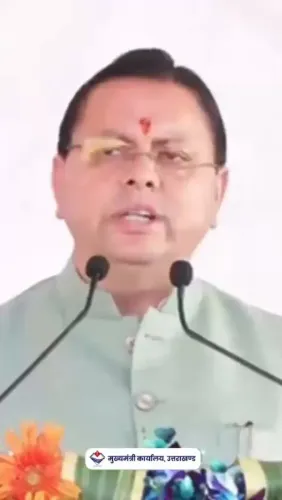
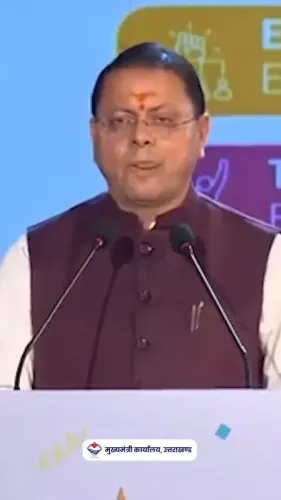
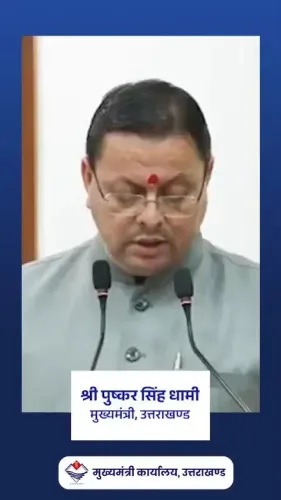
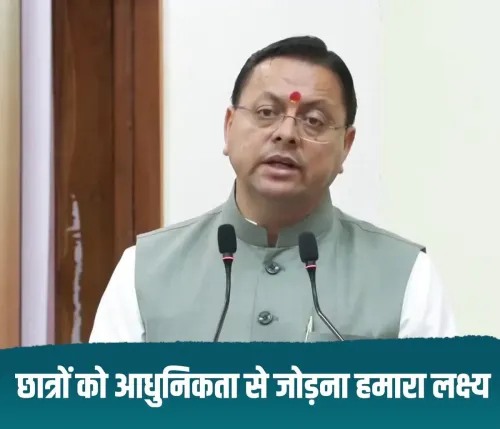
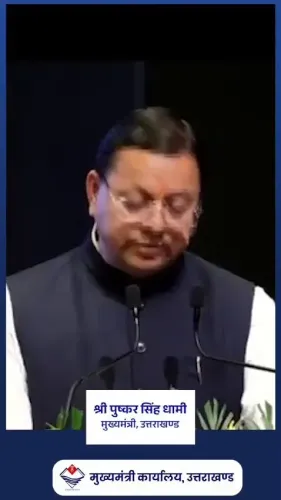
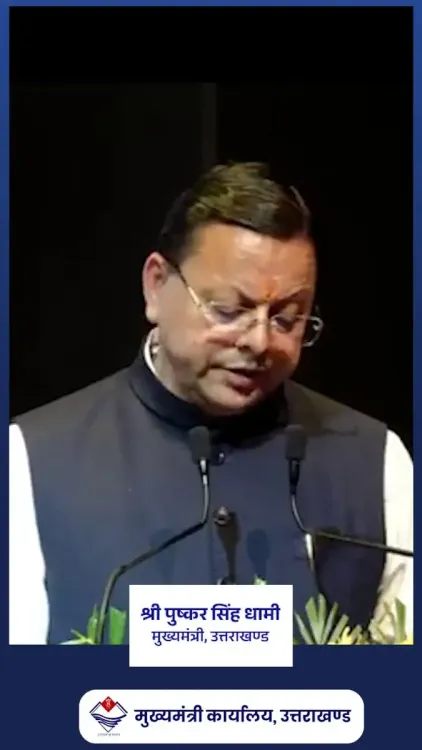
In his statement, CM Dhami said: 'Shaikshnik sansthanon ko aisi niti apnani chahiye...' — 'Educational institutions should adopt a policy that does not confine students to theoretical knowledge alone, but also provides them with opportunities for innovation to hone their talent, skills, and creative capacity.' The remark was shared via the official Chief Minister's Office account on X (formerly Twitter), accompanied by a video.
The statement does not announce a specific scheme or legislation but sets out a directional expectation for institutions operating under the state's jurisdiction, signalling that policy alignment with innovation-centred learning is a governance priority for the Uttarakhand administration.
Policy Backdrop
The call closely mirrors the objectives of the National Education Policy (NEP) 2020, which replaced India's 1986 education framework and mandated the integration of vocational training, experiential learning, and critical thinking from early grades onward. NEP 2020 explicitly moved away from rote-learning models, requiring institutions to build multidisciplinary and innovation-friendly curricula.
Uttarakhand, like several other Indian states, has been progressively aligning its school and higher-education frameworks with NEP 2020 goals. CM Dhami's statement reinforces that alignment at the highest political level, lending executive weight to what has so far been an administrative and academic exercise.
Stakeholders and Impact
The primary beneficiaries of such a policy shift would be students enrolled in schools, colleges, and universities across Uttarakhand. A transition from purely theoretical curricula to innovation-led learning could expand access to skill development programmes, project-based assessments, and entrepreneurship incubation within campuses.
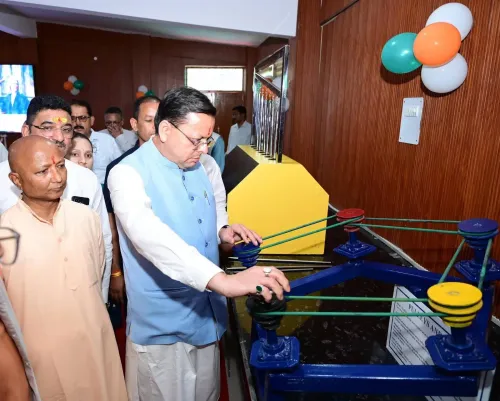
Educational institutions themselves — both government-run and private — would face the operational challenge of retooling pedagogy, training faculty, and potentially allocating resources for innovation labs or maker-spaces. The statement, while aspirational in tone, places a clear expectation on institutional leadership to act.
What's Next
Observers will watch for follow-through in the form of formal government orders, revised curriculum guidelines, or budget provisions for innovation infrastructure in the upcoming academic year. Any state-level directive to universities and school boards translating CM Dhami's vision into binding policy will be a key indicator of how seriously the administration intends to operationalise this call.
If Uttarakhand moves to institutionalise innovation hubs or skill centres at the district level, it could serve as a model for other Himalayan and hill states grappling with youth out-migration driven partly by limited local employment and educational opportunity.
Point of View
Dhami is nudging institutional heads to act without waiting for a formal directive. The timing also fits a broader BJP-governed-state pattern of using high-visibility communication to reinforce alignment with central education reforms. The real test will come in budget allocations and regulatory follow-through, without which the statement risks remaining rhetorical.
NationPress
14 Oct 2026
Frequently Asked Questions
What did CM Pushkar Singh Dhami say about education in Uttarakhand?
CM Dhami stated that educational institutions should adopt policies that go beyond theoretical knowledge and provide students with innovation opportunities to develop their talent, skills, and creative capacity.
Is Uttarakhand implementing the National Education Policy 2020?
Yes, Uttarakhand has been progressively aligning its school and higher-education frameworks with NEP 2020, which promotes experiential learning, vocational training, and innovation over rote learning.
What is the National Education Policy 2020?
NEP 2020 is India's central education reform that replaced the 1986 policy. It mandates multidisciplinary learning, critical thinking, and vocational integration from early grades, moving away from purely theoretical curricula.
Will Uttarakhand set up innovation labs in schools and colleges?
No formal announcement of innovation labs has been made yet. Observers are watching for government orders or budget provisions in the coming academic year that would translate CM Dhami's call into concrete infrastructure.
How does CM Dhami's education statement affect students in Uttarakhand?
If the state follows through with policy changes, students could gain access to skill development programmes, project-based learning, and entrepreneurship opportunities within their institutions, improving employability and reducing out-migration.