CM Dhami Pushes AI, Robotics Education Under NEP 2020
Synopsis
Uttarakhand Chief Minister Pushkar Singh Dhami on 15 June 2026 announced the state is advancing science, innovation and research-based education under NEP 2020, with a focus on equipping youth with skills in AI, Robotics, Quantum Physics and Machine Learning to meet global challenges.
Key Takeaways
CM Pushkar Singh Dhami reaffirmed Uttarakhand's commitment to NEP 2020 -aligned education on 15 June 2026 .
The state is promoting science, innovation and research-based education as core pillars of its academic agenda.
Target technology domains include Artificial Intelligence , Robotics , Quantum Physics and Machine Learning .
The initiative aims to prepare Uttarakhand's youth for global-level challenges and opportunities in emerging fields.
The push aligns with the Union government's Skill India and National Strategy for AI (#AIFORALL) frameworks.
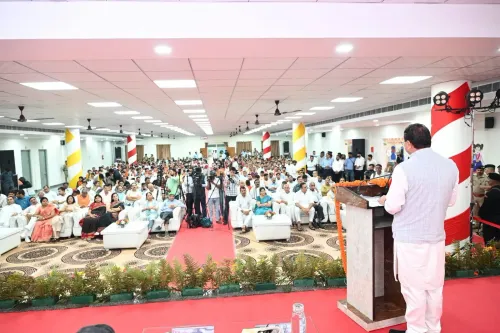
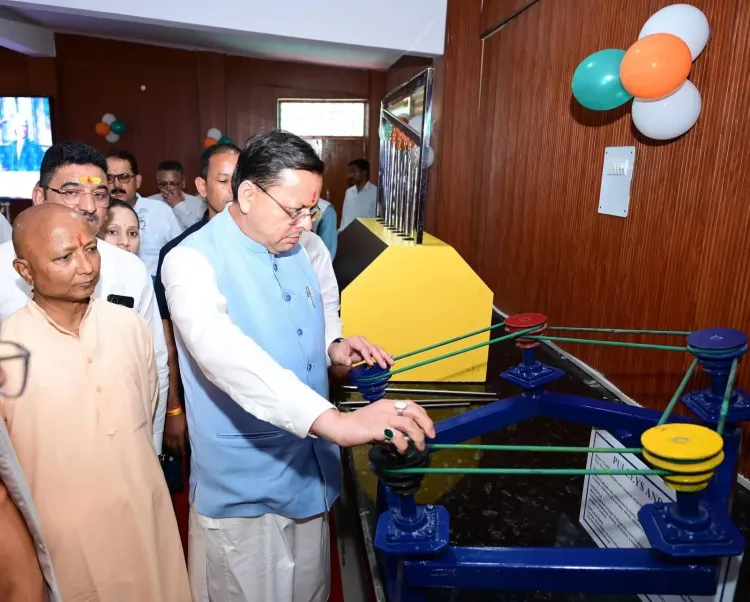
Legislators Rajkumar Porimla and Mahant Dilip Rawat were present at the occasion.
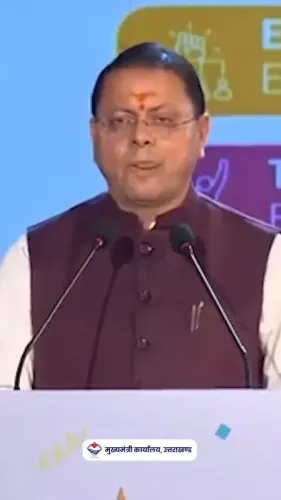
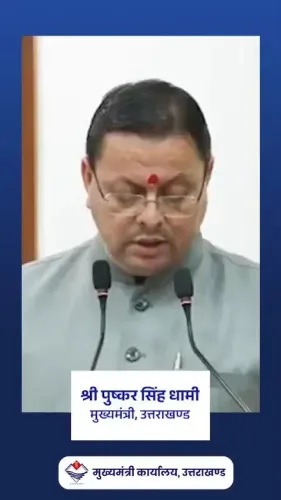
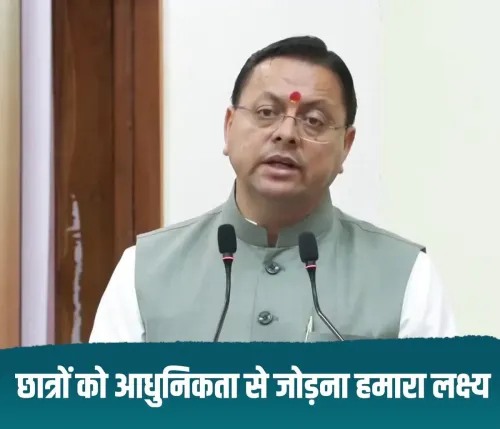
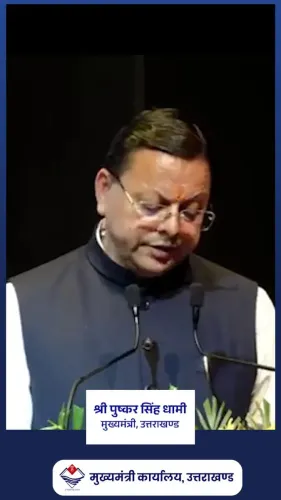
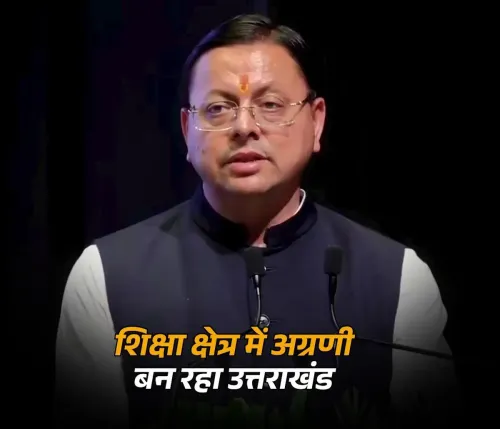
Uttarakhand Chief Minister Pushkar Singh Dhami on Monday, 15 June 2026 reaffirmed the state government's commitment to advancing science, innovation and research-based education in line with the National Education Policy (NEP) 2020, stating that youth would be equipped for global opportunities in emerging technologies including Artificial Intelligence (AI), Robotics, Quantum Physics and Machine Learning.
Posting on X, CM Dhami wrote: 'नई शिक्षा नीति के अनुरूप प्रदेश में विज्ञान, नवाचार और अनुसंधान आधारित शिक्षा को बढ़ावा दिया जा रहा है।' ('In line with the New Education Policy, science, innovation and research-based education is being promoted in the state.') He added that the goal is to connect youth with future emerging technologies and prepare them for global-level challenges and opportunities.
Context
NEP 2020, introduced by the Government of India to replace the National Policy on Education 1986, marked a structural shift toward multidisciplinary, research-oriented and technology-driven learning across school and higher education. Uttarakhand, governed by the BJP, has been aligning its state education system with these priorities, particularly in STEM and emerging technology domains.
The Chief Minister's statement signals a continued push to embed future-ready skills — spanning AI, Robotics, Quantum Physics and Machine Learning — into the state's academic framework, targeting the youth population as the primary beneficiary.
Policy Backdrop
Since 2021, multiple BJP-ruled states have introduced NEP 2020-aligned curricula adding AI, Robotics and data science at the undergraduate level. This mirrors the Union government's broader skilling agenda under initiatives such as Skill India and the National Strategy for AI (#AIFORALL), designed to prepare India's workforce for a digital economy.
Uttarakhand's approach is consistent with this national pattern, positioning the state as an active participant in India's technology-education transition rather than a passive implementer of central directives.
Stakeholders and Impact
The primary beneficiaries are Uttarakhand's student and youth population, who stand to gain access to curricula that incorporate globally relevant technology disciplines. Higher education institutions across the state are expected to be the key delivery mechanism for these reforms.
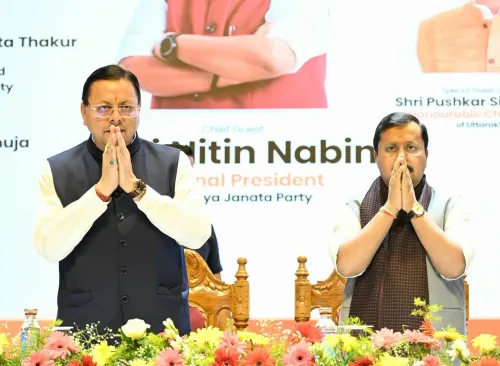
Legislators Shri Rajkumar Porimla and Mahant Dilip Rawat were present at the occasion where the Chief Minister made these remarks, indicating cross-party legislative awareness of the education push, though the specific event details remain unconfirmed.
What's Next
Observers will watch for Uttarakhand's next academic-year curriculum notifications and state budget allocations earmarked for AI and quantum computing laboratories. Potential MoUs with IITs or private technology firms for faculty training and infrastructure development would be a concrete indicator of how far these commitments translate into institutional action.
As India accelerates its push toward a knowledge economy, Uttarakhand's ability to operationalise NEP 2020's technology mandate at scale will be a test case for smaller states seeking to compete in the national and global talent market.
Point of View
The Chief Minister is pitching the state as a proactive NEP 2020 adopter rather than a laggard. The broader pattern of BJP-governed states racing to claim NEP implementation credentials suggests this is as much about competitive state politics as it is about curriculum reform. The real measure will come when budget allocations and institutional partnerships follow the rhetoric.
NationPress
15 Sept 2026
Frequently Asked Questions
What did CM Dhami say about education in Uttarakhand?
CM Pushkar Singh Dhami stated on 15 June 2026 that Uttarakhand is promoting science, innovation and research-based education in line with NEP 2020, with a goal to prepare youth for emerging technologies such as AI, Robotics, Quantum Physics and Machine Learning.
What is NEP 2020 and how does it relate to AI education in India?
NEP 2020 is India's National Education Policy introduced to replace the 1986 policy, emphasising multidisciplinary, research-oriented and technology-driven learning. It provides the framework under which states like Uttarakhand are introducing AI, Robotics and data science into their curricula.
Which technologies is Uttarakhand focusing on under its new education push?
Uttarakhand's education push under CM Dhami targets Artificial Intelligence, Robotics, Quantum Physics, Machine Learning and other modern technology domains as priority areas for student skilling.
Is Uttarakhand the only state implementing NEP 2020 technology education?
No. Since 2021, multiple BJP-ruled states have introduced NEP 2020-aligned curricula incorporating AI, Robotics and data science at the undergraduate level, consistent with the Union government's Skill India and National Strategy for AI initiatives.
What should we watch for next regarding Uttarakhand's education reforms?
Key indicators to watch include Uttarakhand's next academic-year curriculum notifications, state budget allocations for AI and quantum labs, and any MoUs signed with IITs or private technology firms for faculty training and infrastructure.