Iran fires ballistic missiles at US forces in Middle East, CENTCOM says all intercepted
Synopsis
Hours after Trump met Netanyahu at the White House and days after pausing US strikes to allow negotiations, Iran fired ballistic missiles at American forces in the Middle East — all intercepted, CENTCOM says. With over 20 US warships enforcing a naval blockade and Tehran silent, the episode marks the sharpest single escalation in the current Iran-US standoff.
Key Takeaways
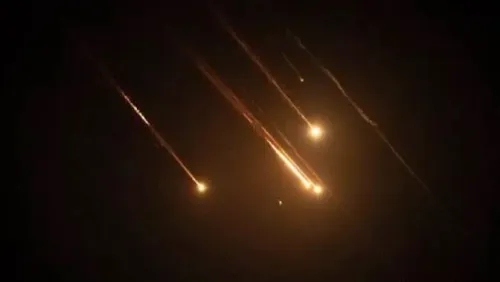
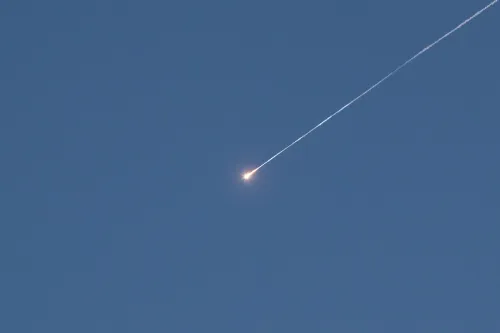
CENTCOM confirmed on 29 July that Iran's Islamic Revolutionary Guard Corps launched multiple ballistic missiles at US forces in the Middle East in an attempted 'surprise attack.' All missiles were successfully intercepted ; no US casualties were reported.
According to reports, Iran launched no more than four ballistic missiles.
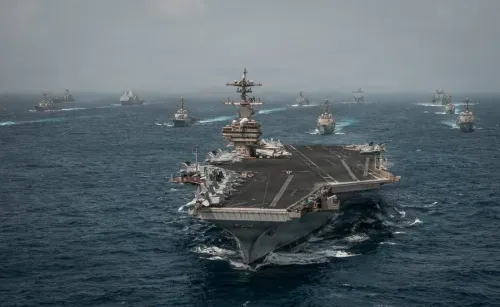
More than 20 US Navy warships are operating across the Middle East, enforcing a naval blockade on Iranian ports.
As of 28 July , CENTCOM had redirected 18 commercial vessels , disabled 2 , and boarded 2 in the Strait of Hormuz.
The attack came hours after President Trump met PM Netanyahu at the White House — their first meeting since joint strikes on Iran on 28 February .
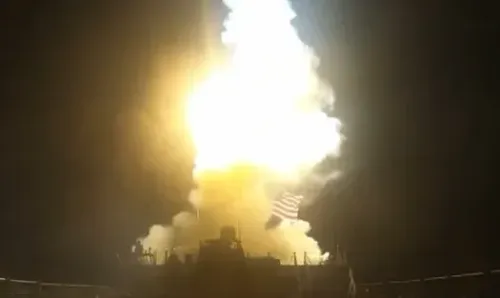
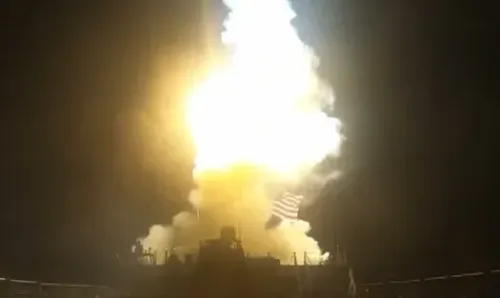
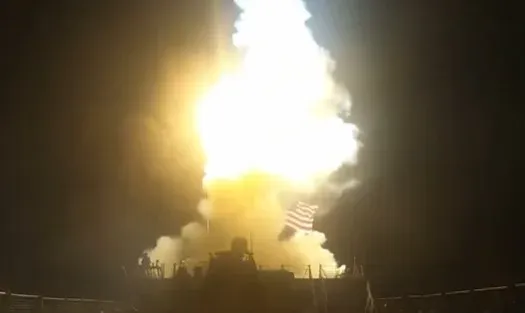
The US military on 29 July said it intercepted multiple ballistic missiles launched from Iran in what US Central Command (CENTCOM) described as an attempted 'surprise attack' on American forces stationed in the Middle East. All incoming missiles were successfully neutralised, according to CENTCOM, which posted the alert on X.
What CENTCOM Said
'At 5:45 p.m. ET today, Islamic Revolutionary Guard Corps forces launched multiple ballistic missiles from Iran in an attempted surprise attack on US forces based in the Middle East,' CENTCOM stated in its post. 'All Iranian missiles were successfully intercepted. US forces remain vigilant and at a high state of readiness.'
According to reports citing a US official, Iran launched no more than four ballistic missiles in the strike. There was no immediate response from Tehran on the US claims.
Naval Blockade Already in Motion
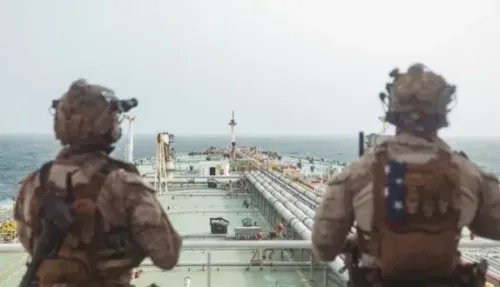
The missile intercept came amid an intensifying US naval campaign against Iran. Earlier on 29 July, CENTCOM disclosed that the US military had redirected 18 commercial vessels transiting the Strait of Hormuz, disabled two, and boarded two others to enforce what it described as a naval blockade on all Iranian ports.
CENTCOM also confirmed that more than 20 US Navy warships are currently operating across the Middle East in support of these missions. 'As of July 28, CENTCOM has redirected 18 commercial vessels, disabled 2, and boarded 2 to ensure full compliance,' the command said.
The blockade had already been flagged on 26 July, when CENTCOM said US naval enforcement remained in full effect. At that point, 12 commercial vessels had been redirected and two disabled for non-compliance.
Diplomatic Context: Trump-Netanyahu Meeting
The Iranian missile launch occurred within hours of US President Donald Trump hosting Israeli Prime Minister Benjamin Netanyahu at the White House — their first in-person meeting since the two countries jointly struck Iran on 28 February. The timing has drawn scrutiny from analysts tracking the escalation cycle between Washington and Tehran.
Notably, Trump had said on Monday that he had decided to pause US strikes on Iran to give negotiations another chance, while warning he could order further strikes if talks collapse. The Iranian missile launch followed that statement within days.
What Happens Next
With US forces at a 'high state of readiness' and a naval blockade actively interdicting commercial shipping, the risk of further escalation remains elevated. The absence of any comment from Tehran leaves the Iranian government's official position unclear. Analysts will be watching whether the missile launch represents a deliberate signal or an isolated provocation, and whether Trump's stated preference for negotiations survives the latest exchange.
Point of View
Already interdicting commercial shipping through the Strait of Hormuz, adds an economic pressure layer that historically has preceded, not followed, diplomatic breakthroughs. What mainstream coverage risks missing: Trump's own pause statement now becomes a liability — any US military response contradicts his Monday position, while non-response risks being read as weakness by Tehran.
NationPress
13 Sept 2026
Frequently Asked Questions
What happened in the Iran missile attack on US forces on 29 July?
Iran's Islamic Revolutionary Guard Corps launched multiple ballistic missiles targeting US forces in the Middle East on 29 July, in what CENTCOM described as an attempted 'surprise attack.' All missiles were successfully intercepted and no US casualties were reported.
How many missiles did Iran fire?
According to reports citing a US official, Iran launched no more than four ballistic missiles. CENTCOM did not specify an exact number in its public statement.
What is the US naval blockade on Iran?
The US has imposed a naval blockade on all Iranian ports, enforced through more than 20 US Navy warships operating across the Middle East. As of 28 July, CENTCOM had redirected 18 commercial vessels, disabled two, and boarded two others transiting the Strait of Hormuz for non-compliance.
What did President Trump say about strikes on Iran before the attack?
President Trump said on Monday that he had decided to pause US strikes on Iran to allow negotiations another chance, while warning he could order further strikes if talks fail. Iran's missile launch came within days of that statement.
Has Iran responded to CENTCOM's claims?
No. As of the time of reporting, there was no immediate comment from Tehran on CENTCOM's claims about the intercepted missile attack.