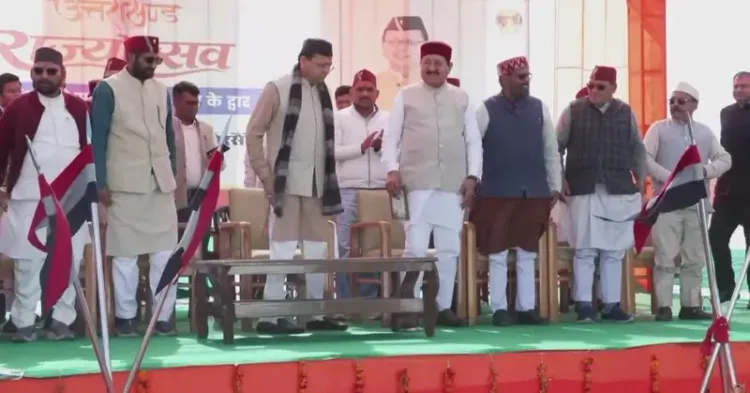
CM Dhami joins Uttarakhand Rajyotsav LIVE from Gairsain
Synopsis
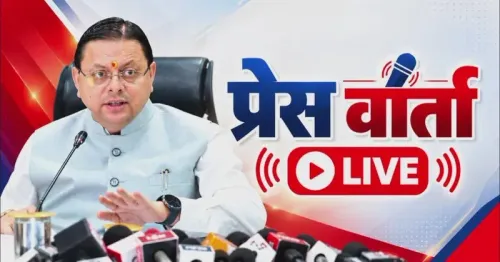
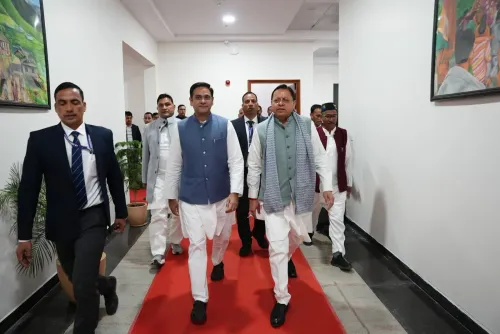
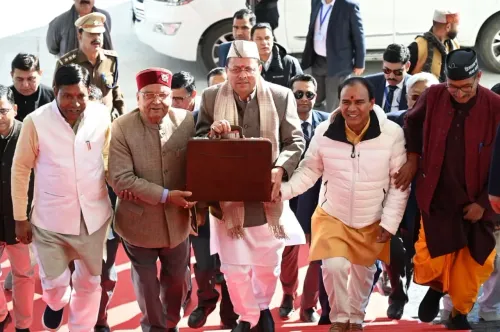
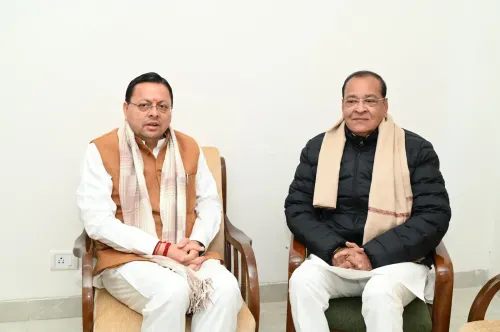
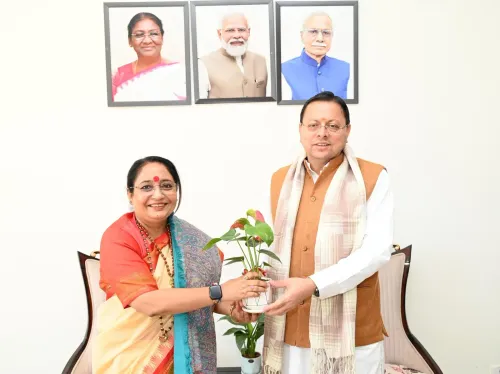
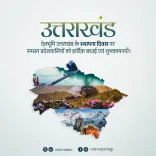
On Uttarakhand's 26th Foundation Day, CM Pushkar Singh Dhami livestreamed the state's Rajyotsav celebrations from Bhararisain, Gairsain — the summer capital — reinforcing the hill state's decentralisation symbolism first formalised in 2020.
Key Takeaways
Uttarakhand marks its 26th Foundation Day on 9 November 2026 , formed from Uttar Pradesh on 9 November 2000.
The main Rajyotsav event was held at Bhararisain, Gairsain in Chamoli district — Uttarakhand's declared summer capital since 2020 .
CM Pushkar Singh Dhami shared a live stream of the celebrations on X, extending reach to the state's large out-migrant population.
Bhararisain hosts the Uttarakhand Legislative Assembly's summer sessions, giving Gairsain an institutional, not merely ceremonial, role.
Holding the Rajyotsav in Gairsain continues the pattern of using Foundation Day to signal decentralisation away from Dehradun.
Twenty-six years after Uttarakhand was carved out of Uttar Pradesh, the state's Foundation Day — Rajyotsav is being marked not in the plains capital Dehradun, but high in the hills at Bharaḍīsaiṇ, Gairsain — a deliberate act of administrative symbolism that speaks louder than any speech. Uttarakhand Chief Minister Pushkar Singh Dhami on Monday, 9 November 2026, shared a live broadcast of the celebrations, bringing the event to audiences across the state and beyond.
Gairsain at centre stage — again
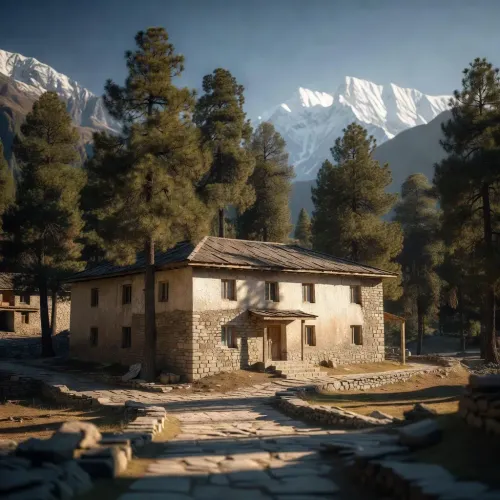
Gairsain, a small town in the Chamoli district of the Garhwal Himalayas, has carried outsized political and emotional weight since Uttarakhand's formation. Hill communities had long argued that governing a mountain state from the foothills city of Dehradun left their concerns perpetually at the margins. That argument won a formal acknowledgement in 2020, when the state government declared Gairsain the official summer capital of Uttarakhand.
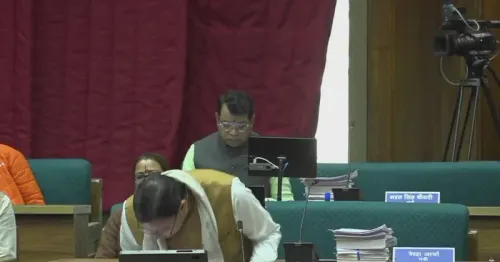
The adjacent site of Bhararisain now hosts the Legislative Assembly's summer sessions — a concrete institutional shift, not just a ceremonial gesture. Anchoring the Rajyotsav celebrations here each year doubles down on that signal: the hills are not a backdrop, they are the story.
9 November and what it means for Uttarakhand
Uttarakhand was formally constituted on 9 November 2000, the culmination of a decades-long popular movement demanding a separate hill state. The date has since become a fixed point on the state's civic calendar — a mix of cultural performances, official addresses, and community gatherings that reaffirm Uttarakhand's distinct identity.
Holding the centrepiece event at Gairsain rather than Dehradun keeps alive the decentralisation argument that animated the original statehood movement. For residents of remote hill districts, it is a visible reminder that the state's power is not entirely concentrated in the valley.
What the live broadcast signals
By streaming the event live and posting the link on X, CM Dhami extended the reach of the Rajyotsav well beyond the physical audience at Bhararisain. It is a pattern increasingly common among state executives: using real-time digital broadcasts to fold in the diaspora — Uttarakhand has one of India's highest rates of out-migration — and to demonstrate that governance is happening visibly in the hills.
Infrastructure and legislative activity at Bhararisain in the coming months will be the real test of whether the symbolic investment in Gairsain translates into sustained administrative presence.
Twenty-six years on, the question Uttarakhand was founded to answer — who governs the mountains, and from where — is still being written, one Rajyotsav at a time.
Point of View
And annual repetition of the gesture at Bhararisain consolidates it as a norm rather than a one-off. For Dhami specifically, visibly presiding over the event — and broadcasting it live — ties his tenure to that founding promise ahead of a future electoral cycle. The real policy test, however, lies in whether legislative sessions and infrastructure investment at Bhararisain grow in substance, or whether Gairsain remains largely symbolic.
NationPress
9 Nov 2026
Frequently Asked Questions
What is Uttarakhand Rajyotsav and when is it celebrated?
Uttarakhand Rajyotsav is the state's Foundation Day, celebrated every year on 9 November to mark the formation of Uttarakhand as a separate state from Uttar Pradesh on 9 November 2000.
Why is the Rajyotsav celebrated in Gairsain and not Dehradun?
Gairsain was declared Uttarakhand's official summer capital in 2020 , and holding the Foundation Day there underscores the government's commitment to decentralisation — bringing administration closer to hill communities historically underserved by Dehradun.
What is Bhararisain?
Bhararisain is a site near Gairsain in Chamoli district where Uttarakhand's Legislative Assembly holds its summer sessions. It has been the venue for the state's Rajyotsav celebrations in recent years.
When was Uttarakhand formed as a state?
Uttarakhand was carved out of Uttar Pradesh and formally constituted as a separate state on 9 November 2000 , following a prolonged popular movement for a distinct hill state.
What did CM Pushkar Singh Dhami post on X for Rajyotsav 2026?
CM Dhami shared a live broadcast link on X for the Uttarakhand Rajyotsav celebrations being held at Bhararisain, Gairsain on 9 November 2026 , making the event accessible to viewers across India and the state's diaspora.