CM Dhami heads to Gairsain to present supplementary budget
Synopsis
Chief Minister Pushkar Singh Dhami travelled to the Uttarakhand Vidhan Sabha at Gairsain (Bhararisain) on 27 October 2026 to present the state's supplementary budget, reinforcing the hill legislature's role as a symbol of equitable governance between Uttarakhand's plains and mountain regions.
Key Takeaways
CM Pushkar Singh Dhami headed to Gairsain (Bhararisain) on 27 October 2026 to present the supplementary budget in the Uttarakhand Vidhan Sabha.
Gairsain, located in Chamoli district , has hosted regular Vidhan Sabha sessions since 2021 as part of efforts to operationalise it as the state's summer capital.
A supplementary budget authorises mid-year expenditure revisions; in Uttarakhand this often covers disaster relief and hill-infrastructure needs.
The Dehradun-Gairsain session rotation was designed to address the plains-hills regional imbalance that has defined state politics since Uttarakhand's formation in 2000 .
Detailed supplementary budget figures will emerge from the official session proceedings; exact allocations are not yet public.
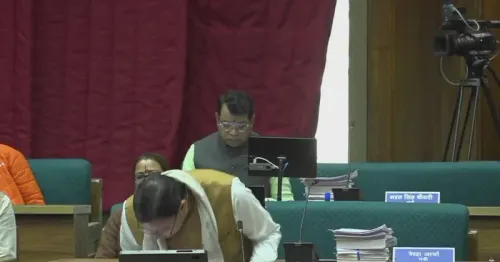
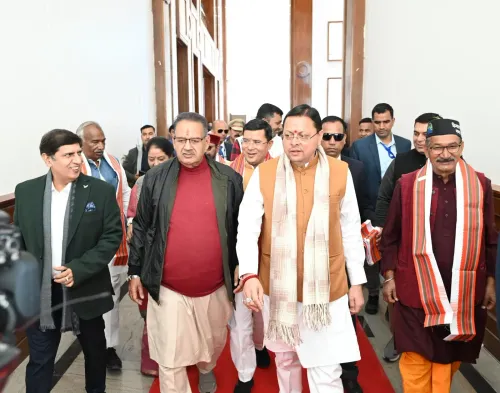
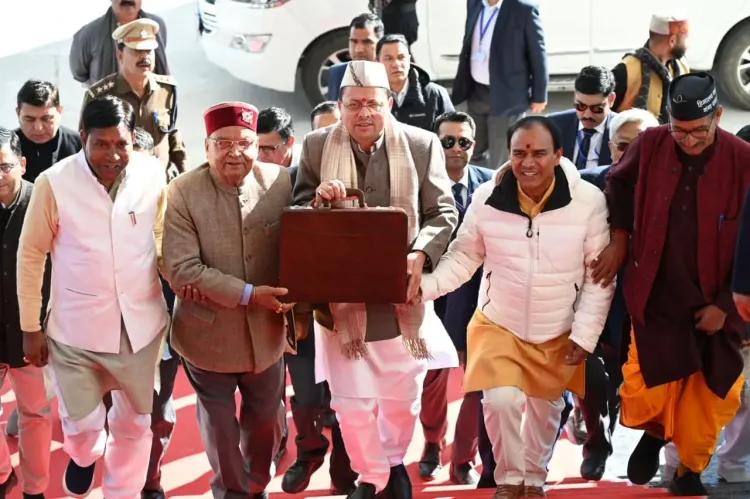
High in the Chamoli hills, Chief Minister Pushkar Singh Dhami made his way to the Uttarakhand Vidhan Sabha at Gairsain (Bhararisain) on Tuesday, 27 October 2026, to present the state's supplementary budget — a mid-year fiscal correction that carries outsized symbolic weight when delivered from this mountain legislature.
Why Gairsain makes every budget session count differently
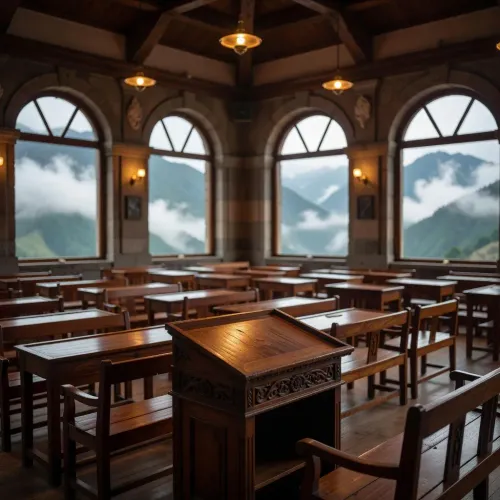
Gairsain is not just another venue. Nestled in Chamoli district, the town has been at the heart of Uttarakhand's most persistent political demand since the hill state was carved out of Uttar Pradesh in 2000 — a capital that actually belongs to the mountains. Successive governments moved the needle incrementally, but it was from 2021 onward that the Bhararisain assembly complex began hosting regular Vidhan Sabha sessions, giving formal legislative life to the idea of a summer capital.
Every sitting held here — whether a full budget, a policy debate, or a supplementary demand — is a quiet reaffirmation that the hills are not an afterthought in state governance. That context is baked into the room before the Finance Minister even rises to speak.
What a supplementary budget does — and why it matters mid-year
A supplementary budget is the government's mid-course correction: it authorises fresh expenditure or revises allocations that could not be anticipated when the main budget was passed. For a mountainous state like Uttarakhand — where disaster relief, infrastructure repair after monsoon damage, and ongoing hill-connectivity projects routinely throw annual estimates off track — such revisions carry genuine fiscal urgency.
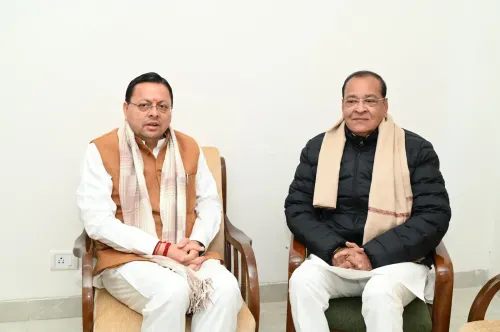
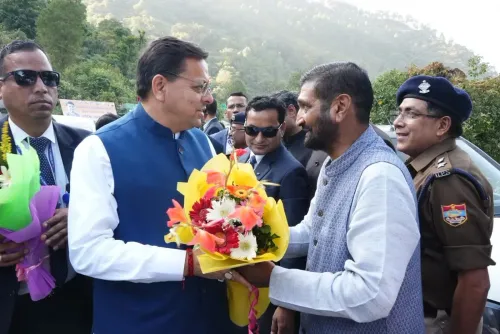
The Chief Minister's Office confirmed Dhami's departure for the assembly session, sharing photographs of him en route to Bhararisain. Exact figures from the supplementary demands are yet to be tabled and will emerge from the session's official proceedings.
Dehradun-Gairsain rotation and what it signals
The practice of rotating sessions between Dehradun in the plains and Gairsain in the hills was designed to chip away at a structural imbalance that has defined Uttarakhand politics since statehood — the sense among hill communities that power, budget, and attention congregate on the plains. Holding a supplementary budget session at Gairsain rather than Dehradun keeps that compact alive and visible.
Attention will now shift to the tabled documents: the size of additional allocations, the departments prioritised, and whether the session schedule flags a follow-up winter sitting in Dehradun.
Point of View
So each legislative session held there doubles as a status update on a two-decade-old political promise. Over time, the credibility of that promise will be measured less by the symbolism of the venue and more by the size and targeting of allocations that actually reach mountain districts.
NationPress
27 Oct 2026
Frequently Asked Questions
Why is the Uttarakhand Vidhan Sabha session held at Gairsain?
Gairsain (Bhararisain) in Chamoli district is being developed as Uttarakhand's summer capital. Since 2021, the state government has held Vidhan Sabha sessions there to give legislative weight to this designation and address long-standing demands from hill communities for a capital closer to them.
What is a supplementary budget and why does Uttarakhand present one?
A supplementary budget is a mid-year financial statement that authorises additional spending or revises existing allocations. Uttarakhand presents one to account for unforeseen needs — such as monsoon disaster relief, infrastructure repairs, and new hill-connectivity projects — that arise after the main budget is passed.
When did Gairsain become Uttarakhand's summer capital?
The Uttarakhand government formally designated Gairsain (Bhararisain) as the summer capital, and regular Vidhan Sabha sessions there began from 2021 onward under CM Pushkar Singh Dhami's administration.
Who is Pushkar Singh Dhami?
Pushkar Singh Dhami is the Chief Minister of Uttarakhand, serving since March 2021. He is a BJP leader and the head of the state government that has pushed forward the Gairsain summer-capital initiative.
Where is Bhararisain located?
Bhararisain is a town in Chamoli district in the hill state of Uttarakhand, India. It serves as the site of the Uttarakhand Vidhan Sabha's Gairsain complex used for legislative sessions.