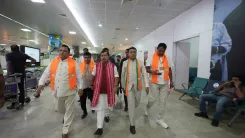
CM Dhami Opens Second Gairsain Session in 2026
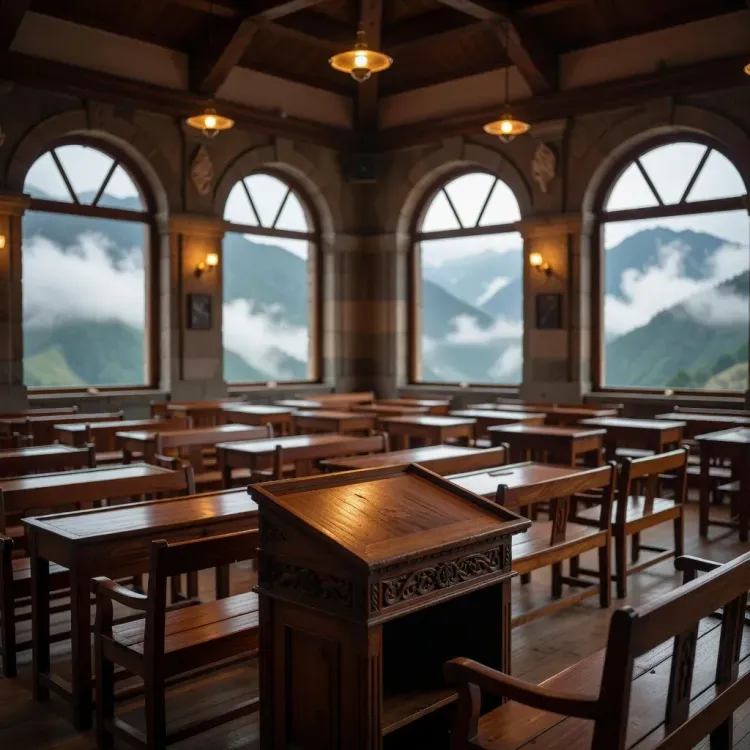
Synopsis
Uttarakhand's CM Pushkar Singh Dhami opens a second Vidhan Sabha session of 2026 at Gairsain's Bharadiasain hall — a historic first — deepening the summer capital's legislative role and signalling fresh commitment to hill-district governance.
Key Takeaways
The Vidhan Sabha session began on October 27, 2026 at Bharadiasain, Gairsain , under CM Pushkar Singh Dhami .
This is the first time in Uttarakhand's history that two assembly sessions have been held at Gairsain within a single calendar year.
The earlier session at Gairsain in 2026 was the budget session in March ; in 2025 , both a budget and a monsoon session were held there.
Gairsain sessions began in 2014 with a three-day inaugural; several years (2019, 2022) saw no session at the hill capital.
CM Dhami has described Gairsain as 'a symbol of Uttarakhand's public sentiment and cultural identity,' linking sessions there to development of remote Himalayan districts.
Uttarakhand has maintained a dual-capital arrangement — Dehradun as the winter capital and Gairsain as the summer capital — to address the plains-versus-hills developmental divide since statehood in 2000 .
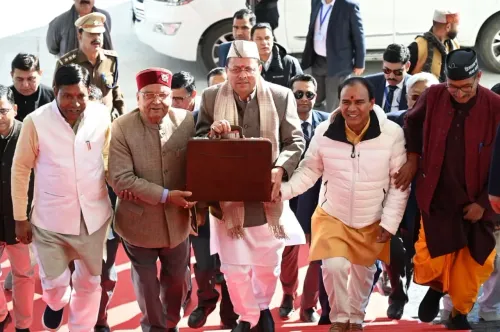
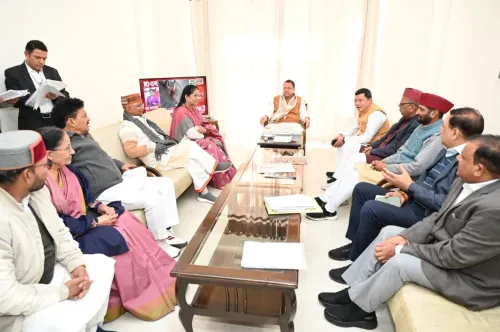
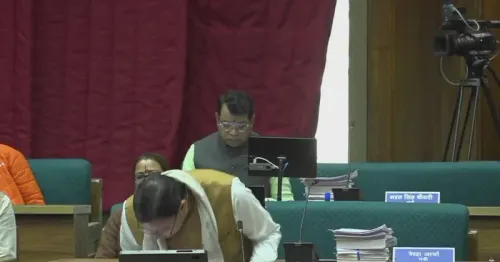
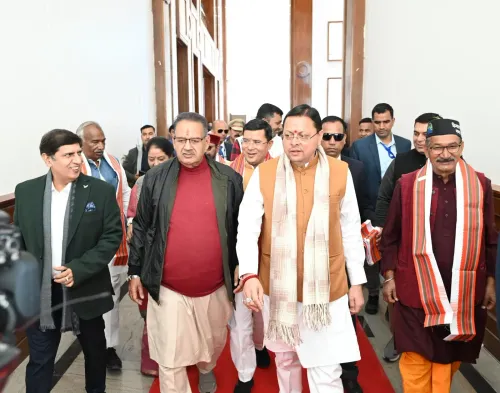
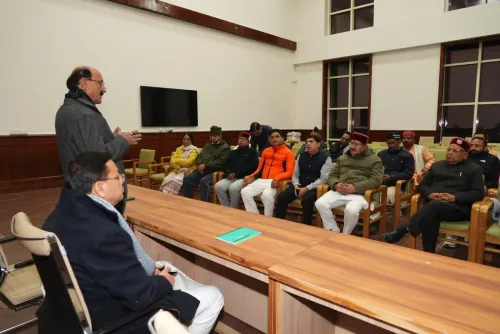
For the first time in the history of Uttarakhand's summer capital, two legislative sessions are being held within a single calendar year — and the second one opened today. The Chief Minister's Office of Uttarakhand announced on Tuesday, October 27, 2026, that the Vidhan Sabha session has commenced at the Bharadiasain assembly building in Gairsain, under the leadership of Chief Minister Pushkar Singh Dhami.
A first: two sessions in one year at Gairsain
The current session follows the budget session held at Bharadiasain in March 2026, making this the first time in Gairsain's legislative history that the assembly has convened twice within twelve months. The post notes that 2025 also marked a significant milestone — both a budget session and a monsoon session were held at Gairsain that year, signalling a clear acceleration in legislative activity at the hill capital.
Gairsain, located in Chamoli district, was designated Uttarakhand's summer capital to bring the machinery of governance physically closer to the state's remote Himalayan communities. Sessions held here are seen as a direct signal to hill residents that their development concerns have a platform at the highest legislative level.
Gairsain's legislative timeline: a decade of uneven progress
The journey to today's historic double-session year has been long and uneven. The first Vidhan Sabha session at Gairsain was held in 2014 — a three-day affair that planted the idea of a functional summer capital. What followed was a fitful pattern: two-day sessions in 2015, 2016, and 2017; a six-day session in 2018; no session at all in 2019 and 2022; a five-day session in 2020; and a six-day budget session in March 2021. Sessions of four days in 2023 and three days in 2024 preceded the surge of activity seen in 2025 and 2026.
That arc — from a symbolic three-day inaugural session to two full sessions in a single year — tells its own story about shifting political priorities and the growing pressure to make Gairsain more than a ceremonial address.
Dhami's framing: cultural identity meets governance intent
Chief Minister Dhami has framed the move in language that blends sentiment with policy commitment. In his statement carried by the CMO, Dhami said: 'Gairsain Uttarakhand ki janbhavnaon aur hamari sanskritik pahchan ka pratik hai' — 'Gairsain is a symbol of Uttarakhand's public sentiment and our cultural identity.' He added that the government's effort is to ensure that issues of hill districts — connectivity, local employment, disaster resilience, and people's aspirations — receive legislative priority through sessions held at Bharadiasain.
'Strengthening Gairsain's role and accelerating balanced development of Uttarakhand's hill regions is our commitment,' Dhami said, according to the CMO post. The language is deliberate: for a state where the plains-versus-hills developmental divide has been a live political fault-line since statehood in 2000, holding two sessions a year at the summer capital is as much a political statement as an administrative one.
What the hill districts are watching
For residents of Uttarakhand's Himalayan districts, the session's symbolic weight is matched by concrete expectations. Successive governments have used Gairsain sessions to raise issues that rarely surface with urgency in Dehradun — glacial lake outburst flood preparedness, road connectivity to border villages, reverse migration incentives, and the viability of local panchayats. Whether the Dhami government uses this session's floor time to advance any of those agendas will be the real measure of its commitment to the dual-capital promise.
Two sessions in one year at Gairsain is a record. What the assembly does with the time it now chooses to spend in the hills is the question that matters next.
Point of View
Often symbolic exercise. For the Dhami government, the optics reinforce a governance brand built around hill identity and balanced regional development — important currency in a state where reverse migration and infrastructural neglect in mountain districts remain politically sensitive. The move also raises the institutional bar: future administrations will face public pressure to maintain or exceed the two-session precedent, making Gairsain's legislative role harder to roll back. The real test, however, is whether floor time at Bharadiasain translates into enacted policy — not just proclaimed commitment — for Uttarakhand's most isolated communities.
NationPress
27 Oct 2026
Frequently Asked Questions
Why is a Vidhan Sabha session being held in Gairsain and not Dehradun?
Gairsain is the designated summer capital of Uttarakhand. Sessions are held there to bring the legislature closer to the state's remote Himalayan districts and to ensure hill-region issues receive direct legislative attention.
When did Gairsain Vidhan Sabha sessions first begin?
The first legislative session at Gairsain was held in 2014 — a three-day session that established the tradition of periodic assembly activity at the summer capital.
What is historic about the October 2026 Gairsain session?
It is the first time in Uttarakhand's history that two Vidhan Sabha sessions have been held at Gairsain within a single calendar year; the budget session was held there in March 2026, and this second session opened in October 2026.
What is Bharadiasain?
Bharadiasain is the specific location within Gairsain, in Chamoli district , where the Uttarakhand Vidhan Sabha building for the summer capital sessions is situated.
What issues are typically raised during Gairsain assembly sessions?
Successive governments have used Gairsain sessions to address issues unique to Uttarakhand's hill districts, including road connectivity to border villages, disaster management, reverse migration, local employment, and infrastructural development in geographically isolated regions.