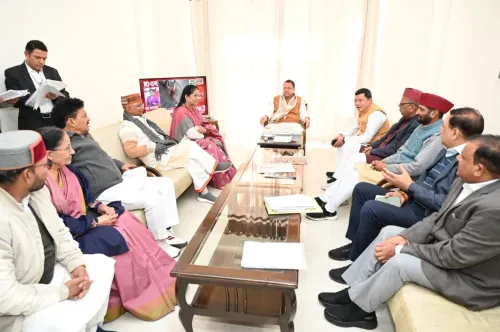
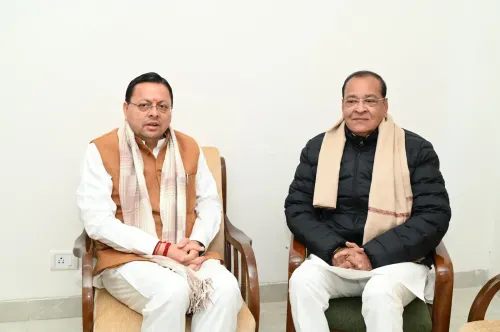
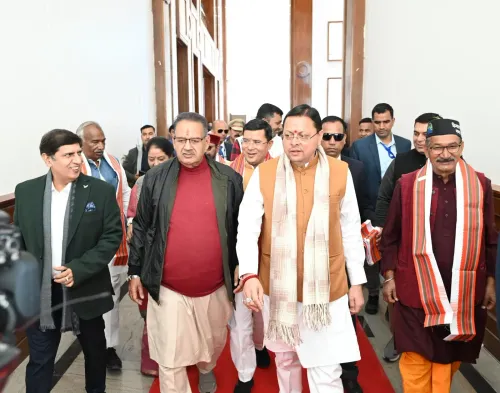
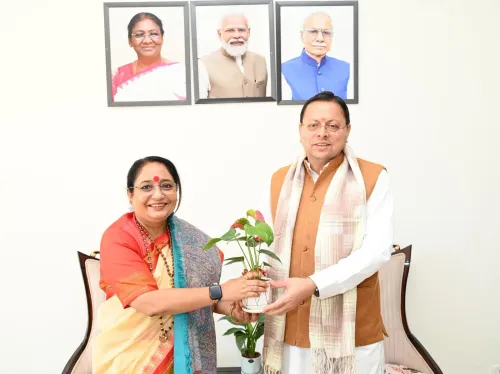
CM Dhami chairs Uttarakhand Assembly's third session live from Gairsain
Synopsis
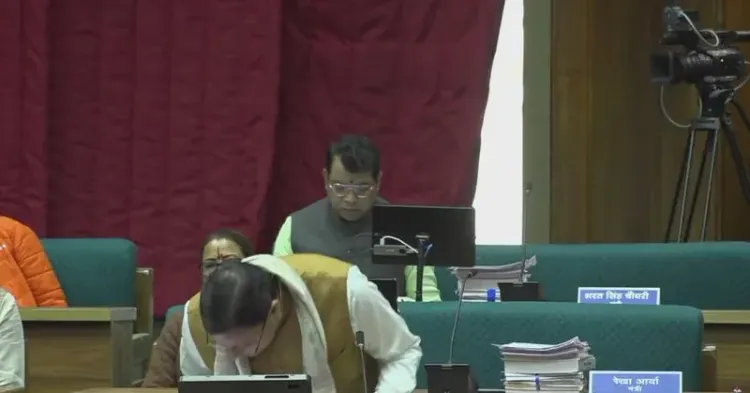
Uttarakhand CM Pushkar Singh Dhami broadcast the state assembly's Third Session of 2026 live from Gairsain, continuing a tradition since 2014 of rotating legislative sittings to the hill town long demanded as the state's permanent capital.
Key Takeaways
CM Pushkar Singh Dhami shared a live stream of the Uttarakhand Legislative Assembly Third Session 2026 from Gairsain on 27 October 2026.
Gairsain in Chamoli district has been hosting rotational assembly sessions since 2014 as a response to long-standing demands for a hill capital.
No formal capital shift has occurred; the rotational sittings serve as a political and symbolic compromise under successive governments including the current BJP administration.
The session carries full legislative authority — the Uttarakhand Assembly is unicameral, so all proceedings hold equal weight regardless of venue.
Hill district residents and MLAs view Gairsain sessions as a closer forum for mountain-specific concerns such as connectivity, migration, and disaster resilience.
A live broadcast on X extended public access to a session held in a remote location difficult to reach by road.
The hills of Gairsain are once again the seat of Uttarakhand's legislative power — Uttarakhand Chief Minister Pushkar Singh Dhami shared a live broadcast of the Uttarakhand Legislative Assembly's Third Session of 2026 on Tuesday, 27 October 2026, signalling that the state's parliament-in-the-mountains tradition is very much alive.
Why Gairsain still matters to Uttarakhand's political identity
Gairsain, a small town in Chamoli district nestled deep in the central Himalayas, has carried an outsized symbolic weight since Uttarakhand was carved out of Uttar Pradesh in 2000. Activists and hill communities had long demanded it as the state capital, arguing that Dehradun — geographically closer to the plains — poorly represents a state whose identity is rooted in its highland geography and culture.
Rather than formally shifting the capital, successive governments have responded with a practical compromise: rotating legislative sessions to Gairsain. The practice began in 2014 and has continued under every administration since, including the current BJP government led by Dhami. It is, in essence, governance as symbolism — the legislature physically travelling to the people rather than waiting for the people to travel to Dehradun.
The third session arrives as hill communities watch closely
Holding a session in Gairsain is not merely ceremonial. For residents of Chamoli, Rudraprayag, Bageshwar and other hill districts, it is a rare moment when legislators are geographically proximate to the concerns of remote communities — from road connectivity and migration to forest rights and disaster resilience. The Uttarakhand Legislative Assembly is a unicameral house, meaning every vote and debate in the session carries full legislative weight regardless of venue.
Under CM Dhami, Gairsain sessions have also attracted attention as a testing ground for announcements targeted at hill districts. Any resolution or budget allocation for permanent infrastructure at Gairsain — a recurring demand from local lawmakers — would mark a meaningful step beyond symbolism.
The live broadcast: bringing the session to every screen
By streaming the session live on X, CM Dhami extended the reach of a sitting that geography already makes difficult to attend in person. The Gairsain venue is a multi-hour drive from Dehradun over mountain roads, making live access particularly valuable for citizens and media alike. The gesture reflects a broader pattern of Indian state governments using social media to project legislative transparency — especially for sessions held away from capital cities.
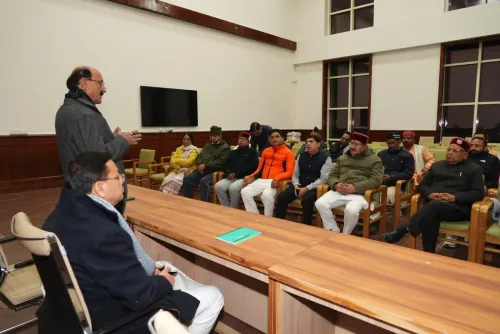
The assembly floor at Gairsain, when it fills with MLAs who have themselves made the climb into the hills, tends to generate sharper debate on mountain-specific grievances than sessions in the plains capital ever do. That alone makes this third session one worth watching.
Point of View
Without formal commitment, that the state's hill identity deserves institutional expression. For the BJP under Dhami, continuing the tradition neutralises a long-running opposition demand while avoiding the fiscal and administrative cost of an actual capital shift. The live-stream strategy adds a modern transparency layer to what is fundamentally a symbolic act, but the real test remains whether the third session of 2026 produces any concrete infrastructure allocation for Gairsain — the move that would finally convert symbolism into substance.
NationPress
27 Oct 2026
Frequently Asked Questions
Why does Uttarakhand hold assembly sessions in Gairsain?
Gairsain sessions are held to honour the long-standing demand by hill communities for the town to serve as Uttarakhand's capital. Since 2014, successive governments have rotated legislative sittings there as a symbolic compromise instead of formally shifting the capital from Dehradun.
Where is Gairsain located?
Gairsain is a town in Chamoli district in the central Himalayan range of Uttarakhand. Its central position within the hill districts is the primary reason it has been proposed as a more representative state capital.
What is the Uttarakhand Assembly Third Session 2026?
It is the third sitting of the Uttarakhand Legislative Assembly in the year 2026, held at Gairsain. The specific agenda and duration of the session have not been publicly detailed beyond CM Dhami's live broadcast announcement.
Has Gairsain been declared the official capital of Uttarakhand?
No. Gairsain has not been formally declared the state capital. The rotational assembly sessions there are a political gesture, and Dehradun remains the functional capital of Uttarakhand.
Who is Pushkar Singh Dhami?
Pushkar Singh Dhami is the Chief Minister of Uttarakhand, in office since 2021, and a senior BJP leader. He has continued the practice of holding assembly sessions in Gairsain that began under previous state governments.