Amit Shah chairs border district SP meet on infiltration, drone threats
Synopsis
Home Minister Amit Shah convened SPs from every major border state and Union Territory in a single room — a rare operational conclave that signals the Centre is moving from policy rhetoric on illegal immigration and drone threats to coordinated, district-level enforcement. The demographic change committee's mandate adds a politically charged dimension that goes well beyond conventional border security.
Key Takeaways
Amit Shah chaired a conference of border district Superintendents of Police in New Delhi on 9 July .
SPs from Jammu and Kashmir , Punjab , West Bengal , northeastern states, and other border states participated.
Key issues on the agenda: infiltration , illegal immigration , demographic changes , drone threats , and narcotics trafficking .
The Centre constituted a high-level committee months ago to study demographic shifts in border districts linked to illegal immigration.
Progress on India-Bangladesh border fencing , especially in vulnerable West Bengal stretches, was also expected to be reviewed.
Shah has previously directed officials to identify and demolish structures allegedly used as radicalisation centres or shelters for illegal immigrants.
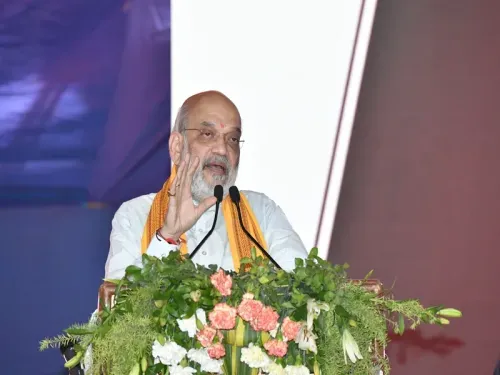
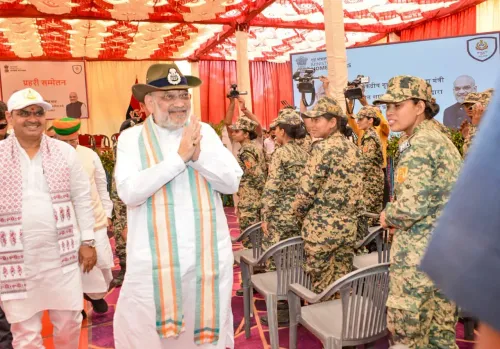
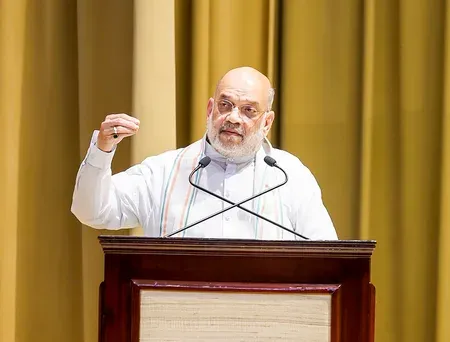
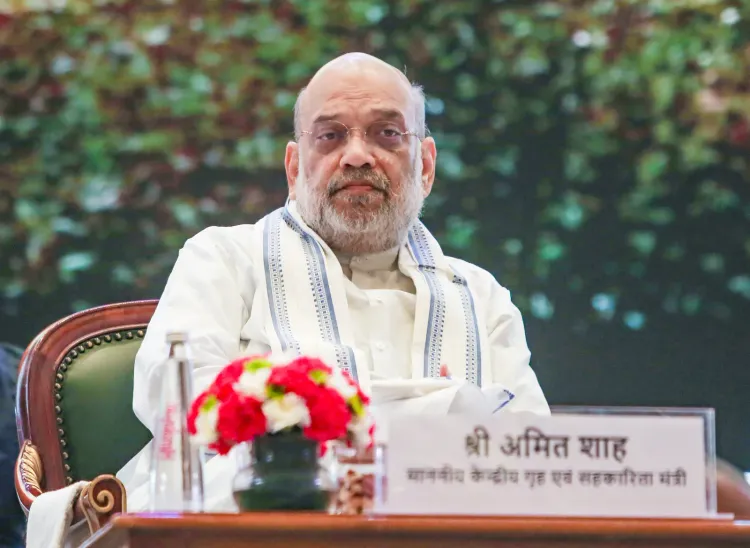
Union Home Minister Amit Shah on Thursday, 9 July chaired a high-level conference of Superintendents of Police (SPs) from border districts in New Delhi, bringing together senior police officers from across the country to address pressing threats including infiltration, illegal immigration, drone incursions, and narcotics trafficking. The meeting is among the most significant security conclaves on border management convened this year.
Who Attended and What Was on the Table
SPs from border states and Union Territories — including Jammu and Kashmir, Punjab, Uttarakhand, Rajasthan, Gujarat, Uttar Pradesh, Bihar, West Bengal, and the northeastern states — were expected to participate. Officers were slated to present ground-level assessments, flag emerging security concerns, and deliberate on coordinated countermeasures.
Key agenda items reportedly included demographic changes in border-adjacent districts, the growing menace of drone-based smuggling — particularly from Pakistan — and the status of fencing work along the India-Bangladesh border, especially in vulnerable stretches of West Bengal.
Context: The Centre's Push Against Illegal Immigration
The conference comes amid an intensified campaign by the Centre against illegal immigration, which the government has characterised as part of an organised effort to alter the demographic composition of districts along the international border with Bangladesh. A high-level committee was constituted a few months ago to examine the extent of such demographic shifts and identify their root causes.
The committee has been tasked with studying illegal immigration, unusual settlement patterns, organised migration, and structural population shifts across religious and social communities — a mandate that critics argue conflates security concerns with communal profiling.
Shah's Recent Ground-Level Engagement
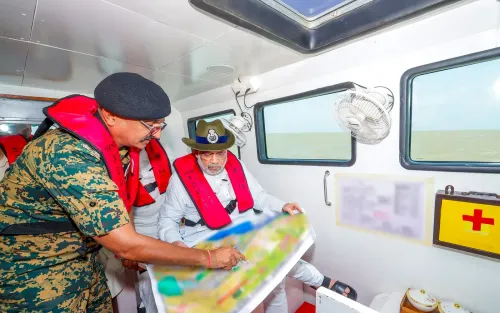
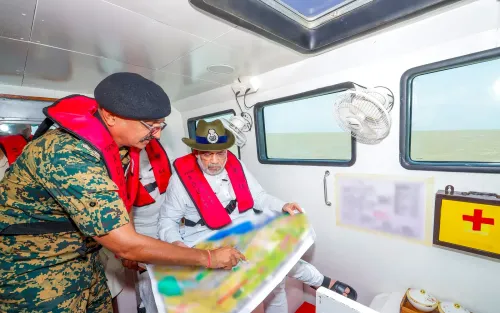
Over the past several months, Amit Shah has personally visited multiple border regions, holding meetings with district magistrates and SPs to review ground realities. During these interactions, he reportedly directed district administrations to monitor patterns of illegal immigration and assess their demographic impact on border areas.
He has also instructed officials to identify and demolish structures in border districts allegedly used as radicalisation centres or temporary shelters for illegal immigrants — locations that, according to official assessments, are purportedly linked to networks supplying forged identity documents.
Drone Threats and Bangladesh Border Fencing
The drone threat has emerged as a critical security variable, with officials flagging the alleged use of unmanned aerial vehicles to transport arms and narcotics across the Pakistan border. Progress on border fencing along the India-Bangladesh frontier — particularly in stretches deemed vulnerable — was also expected to feature prominently in deliberations.
Development Agenda for Border Districts
Beyond security, the conference was also expected to address the welfare and development of communities living in border districts, recognising their strategic role as the first line of defence against hostile cross-border activities. This dual focus on security and development reflects an evolving policy posture that links border stability to local economic conditions.
The outcome of the conference and any directives issued by Shah are likely to shape operational priorities for border district police forces in the months ahead.
Point of View
But its political framing deserves scrutiny. Linking illegal immigration to demographic change — and tasking a government committee to study 'structural population shifts across religious and social communities' — moves the discourse from border security into territory that critics will argue is communally coded. Shah's repeated personal visits to border districts and his directive to demolish 'illegal structures' suggest a top-down enforcement push that bypasses the slower legislative route. The real test is whether these conclaves produce measurable outcomes — reduced infiltration, faster fencing completion, verifiable drone interdictions — or remain high-visibility exercises that do not shift the ground reality.
NationPress
9 Jul 2026
Frequently Asked Questions
What was the purpose of Amit Shah's border district SP conference on 9 July?
The conference brought together Superintendents of Police from all major border states and Union Territories to address infiltration, illegal immigration, demographic changes, drone threats, and narcotics trafficking. It is part of the Centre's intensified campaign to tighten border security and coordinate district-level enforcement.
Which states sent representatives to the conference?
SPs from Jammu and Kashmir, Punjab, Uttarakhand, Rajasthan, Gujarat, Uttar Pradesh, Bihar, West Bengal, and the northeastern states were expected to attend. These cover India's primary international land borders with Pakistan, Bangladesh, Nepal, Bhutan, and China.
What is the high-level committee on demographic changes?
The Centre constituted a high-level committee a few months ago to examine demographic shifts in border districts, studying issues such as illegal immigration, unusual settlement patterns, organised migration, and population changes across religious and social communities. Its findings are expected to inform border security policy.
What is the drone threat discussed at the meeting?
Officials have flagged the alleged use of drones to transport arms and narcotics across the border from Pakistan. The growing frequency of such incidents has made drone surveillance and interdiction a central element of border security planning.
What is the status of India-Bangladesh border fencing?
Progress on fencing along the India-Bangladesh border — particularly in vulnerable stretches of West Bengal — was expected to be reviewed at the conference. Gaps in fencing have been identified as key entry points for illegal immigrants and contraband.