BSF must evolve to meet new-age threats, says HM Amit Shah at Sanchu
Synopsis
Home Minister Amit Shah's visit to the historic Sanchu border post wasn't ceremonial — it was a strategic signal. With drone-based smuggling, demographic shifts near the frontier, and the shadow of Operation Sindoor all on the table, Shah laid out a reoriented BSF mandate, a quadrilateral security grid, and a ₹40 crore women's barracks push, all while standing metres from the Pakistan border.
Key Takeaways
Home Minister Amit Shah visited the BSF Sanchu post in Bikaner, Rajasthan on Tuesday, 27 May 2025 .
Shah called for a 'new dimension' in BSF operations, prioritising drone surveillance , demographic monitoring, and coordination with civil administration within 50 km of the border.
He outlined a quadrilateral security grid involving the BSF, Army, citizens, and state machinery.
Infrastructure announcements include a 1,096-km Lateral Road , a 520-km Axial Road , and piped water to 180 BSF outposts in Rajasthan.
14 women's barracks were inaugurated; 79 barracks sanctioned at nearly ₹40 crore , with all facilities for women personnel promised by 2030 .
Shah praised BSF for its role in Operation Sindoor and noted nearly 2,000 personnel have died in the line of duty.
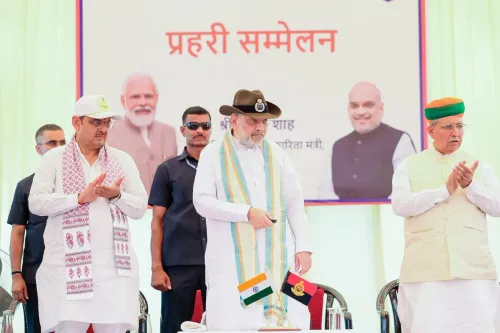
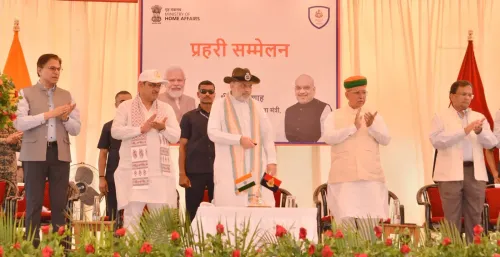
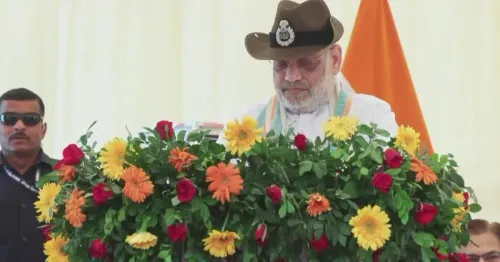
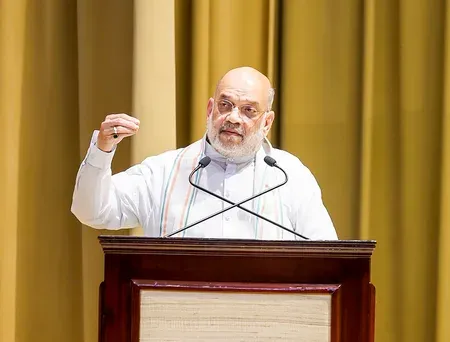
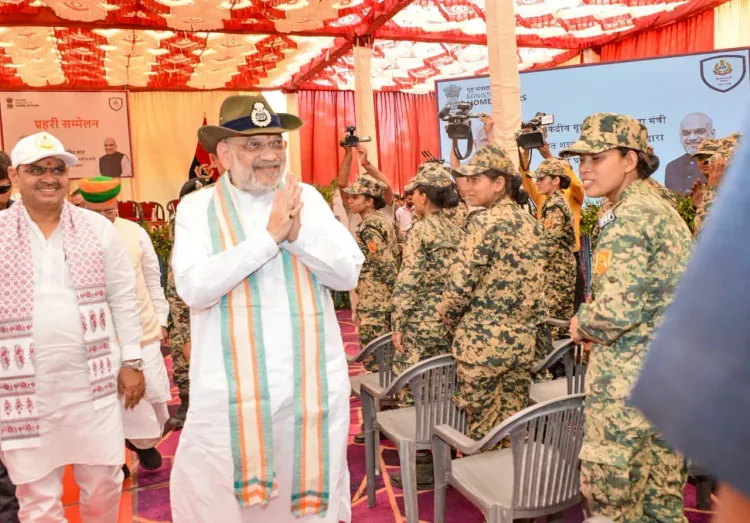
Union Home Minister Amit Shah on Tuesday, 27 May 2025, visited the Border Security Force (BSF) post at Sanchu along the India–Pakistan border in Bikaner, Rajasthan, and declared that the BSF's role must be reframed through a 'new dimension' to address rapidly evolving security threats and technology-driven challenges. Addressing the Prahari Sammelan at the historic outpost, Shah called for an expanded mandate that goes well beyond traditional border duties.
New-Age Threats and the Expanded BSF Mandate
Shah stressed that the BSF's conventional responsibilities — preventing encroachments, curbing smuggling and infiltration, and maintaining border vigilance — must now be broadened to counter emerging threats. He specifically flagged drone-based narcotics smuggling and anti-national activities as priority concerns. 'We must monitor where drones land, who receives them, and how they are used. A strong communication network with civil administration and district police is essential,' he said.
He further directed that any illegal construction within 50 kilometres of the border must be immediately reported to the District Collector and Superintendent of Police, and that demographic changes in border villages must be flagged to the government without delay.
A Quadrilateral Security Grid for Border Regions
Shah outlined a vision for what he called a 'quadrilateral security grid' — a coordinated framework involving the BSF, the Army, alert citizens, and state government machinery. 'Security can be strengthened only through the combined efforts of the BSF, the Army, and alert citizens, as well as the state government machinery. This coordination can build a quadrilateral security grid, which is difficult to breach,' he said. He also called for regular engagement with school students and youth to build awareness among future generations.
Operation Sindoor and the Sanchu Legacy
Commending BSF personnel for their conduct during Operation Sindoor, Shah said the force displayed courage and resilience, maintaining high morale and delivering a 'befitting reply' whenever the situation demanded. 'Our soldiers stood strong, faced challenges with unwavering resolve, and played a significant role in maintaining high morale. As always, whenever the situation demanded, they delivered a befitting reply to Pakistan,' he stated.
Shah also recalled the historic significance of the Sanchu post, noting that during the 1965 India–Pakistan War, personnel of the 3rd Rajasthan Armed Constabulary (RAC) and the 13th Grenadiers mounted a counter-attack after intelligence indicated Pakistan had launched an offensive to capture the post — ensuring Sanchu remained firmly within Indian territory.
Infrastructure Push: Roads, Fencing, and Women's Barracks
The Home Minister announced major infrastructure initiatives, including the construction of a 1,096-km Lateral Road and a 520-km Axial Road across Rajasthan's desert region to improve mobility and connectivity for security forces. He added that work on new-design border fencing is underway and that piped drinking water supply to around 180 BSF border outposts in Rajasthan has already been completed.
Shah also inaugurated 14 women's barracks during the visit, part of a sanctioned total of 79 women's barracks in Rajasthan at a cost of nearly ₹40 crore. Construction of 67 barracks has been completed, with the remaining 12 under construction. He announced that all essential facilities for women personnel would be ensured by 2030.
On the Ground at Sanchu
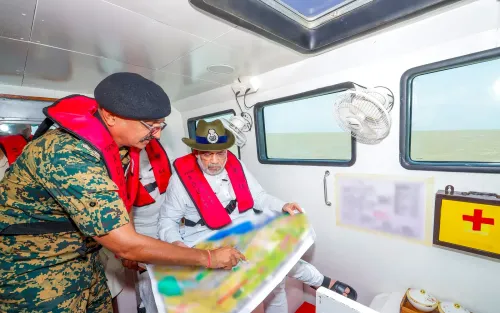
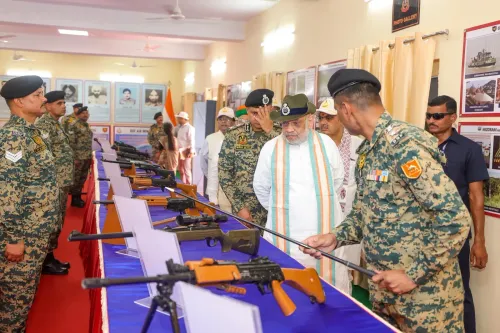
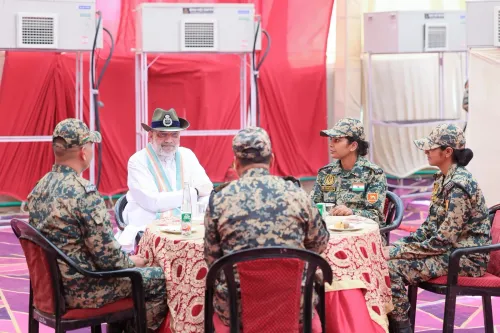
During his nearly 90-minute stay, Shah interacted with BSF personnel, shared breakfast with troops, surveyed the Pakistan border and Zero Point through binoculars, and planted a Khejri sapling, describing it as a 'Kalpavriksha for the desert.' He noted that security personnel have planted 73.5 million trees over the past seven years. Paying tribute to fallen soldiers, Shah said, 'From scorching deserts to snow-covered mountains, in temperatures ranging from 45°C to minus 45°C, our border sentinels have protected the nation with courage and sacrifice. Nearly 2,000 personnel have laid down their lives in the line of duty.'
The visit signals a clear policy push to modernise and reorient India's border security architecture at a time of heightened tensions along the western frontier.
Point of View
Coming in the immediate aftermath of Operation Sindoor and at a moment of elevated India–Pakistan tensions. The 'new dimension' framing is significant: it signals a formal policy shift from static border guarding to active technological and demographic surveillance, including monitoring of civilian construction within 50 km of the frontier. That directive, in particular, raises questions about the scope of BSF authority vis-à-vis state police and civil administration — a jurisdictional tension that has flared before. The infrastructure push is real, but the quadrilateral security grid remains a concept without a published operational framework. Whether the coordination machinery between the BSF, Army, and district administration is actually in place — or is aspirational — is the question mainstream coverage has not pressed.
NationPress
11 Oct 2026
Frequently Asked Questions
Why did Amit Shah visit the BSF's Sanchu post in Bikaner?
Home Minister Amit Shah visited the BSF post at Sanchu in Bikaner, Rajasthan, on 27 May 2025 to address the Prahari Sammelan and outline a new security framework for border forces. The visit also included the inauguration of women's barracks and a review of border infrastructure.
What is the 'new dimension' in BSF operations that Amit Shah referred to?
Shah used the phrase to signal an expanded BSF mandate beyond traditional duties like anti-smuggling and infiltration checks. The new focus areas include countering drone-based narcotics smuggling, monitoring demographic changes in border villages, and strengthening coordination with civil administration and district police.
What infrastructure projects were announced for Rajasthan's border region?
Shah announced a 1,096-km Lateral Road and a 520-km Axial Road across Rajasthan's desert region to improve security force mobility. He also confirmed that piped drinking water supply to around 180 BSF border outposts in Rajasthan has been completed, and new-design border fencing is underway.
What is the Vibrant Villages Programme and how does it relate to border security?
The Vibrant Villages Programme is a government initiative to develop frontier villages, and Shah linked it directly to border security, arguing that local development and community awareness are essential components of a robust security grid alongside the BSF and Army.
What did Amit Shah say about Operation Sindoor and the BSF?
Shah commended BSF personnel for their courage and resilience during Operation Sindoor, saying they maintained high morale and delivered a 'befitting reply to Pakistan' whenever the situation demanded. He did not provide operational specifics but praised the force's conduct throughout the operation.