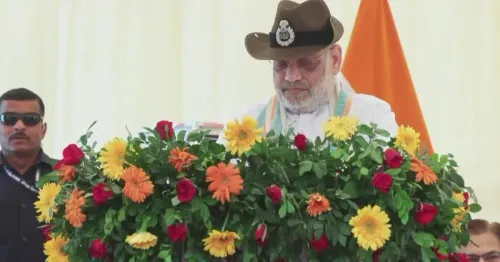
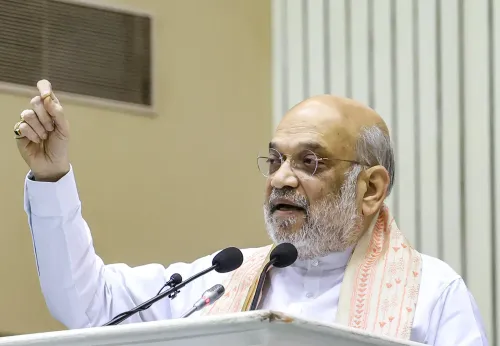
Amit Shah Meets BSF Troops at Bikaner Border Outpost
Synopsis
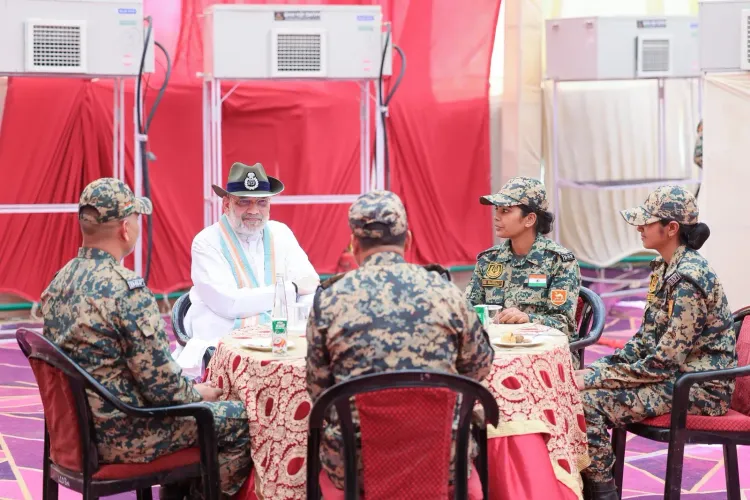
Union Home Minister Amit Shah visited the Sanchu Border Outpost in Bikaner on 26 May 2026, interacting with BSF jawans over high tea along the India-Pakistan desert frontier. The visit reflects the MHA's routine but significant engagement with frontline border security personnel in Rajasthan.
Key Takeaways
Union Home Minister Amit Shah visited the Sanchu Border Outpost in Bikaner , Rajasthan, on 26 May 2026 .
Shah interacted with BSF personnel over high tea, describing them as 'brave.' The Border Security Force guards the India-Pakistan western border and operates under the Ministry of Home Affairs .
The Bikaner frontier range covers a demanding desert sector of the international border with Pakistan.
Such field visits by the Home Minister are part of periodic MHA oversight of border readiness, fencing, and surveillance infrastructure.
Follow-up announcements on border infrastructure or troop welfare in the Rajasthan sector may follow the visit.
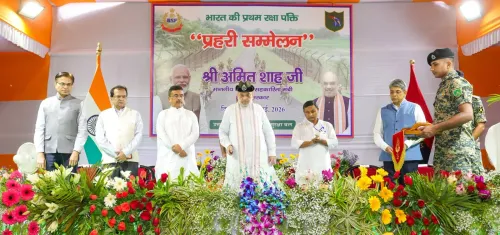
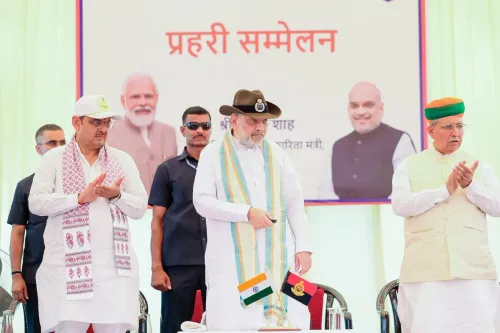
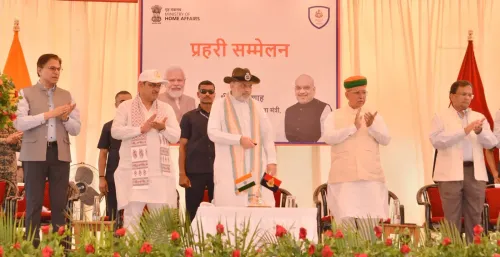
Union Home Minister Amit Shah interacted with Border Security Force (BSF) personnel over high tea at the Sanchu Border Outpost in Bikaner, Rajasthan, on Tuesday, 26 May 2026, in a visit that underscored the Ministry of Home Affairs' ongoing engagement with frontline border troops deployed along the India-Pakistan frontier.
Context
The Sanchu Border Outpost falls within the Bikaner frontier range, one of the forward positions along the desert sector of Rajasthan's international border with Pakistan. BSF jawans stationed at such outposts are responsible for round-the-clock surveillance, anti-infiltration operations, and border domination in some of the country's most demanding terrain. The Home Minister's visit brought him face-to-face with the personnel who carry out these duties at the ground level.
Shah described the BSF personnel as 'brave,' using the occasion of high tea to engage directly with troops at a forward location rather than a rear headquarters. Such direct interactions are viewed within the security establishment as a morale-building gesture that signals the political leadership's awareness of conditions on the ground.
Policy Backdrop
The Border Security Force was raised on 1 December 1965 in the aftermath of the Indo-Pakistan War of 1965, with a mandate to guard India's western and eastern land borders. It functions under the Ministry of Home Affairs, making the Home Minister the political head responsible for its operational oversight, budgetary allocations, and welfare measures.
Union Home Ministers have periodically visited forward BSF locations along the western border — particularly in Rajasthan and Gujarat — to review operational readiness, border fencing progress, and surveillance infrastructure. The Rajasthan frontier presents distinct challenges owing to its desert terrain, which complicates both physical fencing and electronic monitoring. These visits are part of a broader MHA oversight framework that also tracks the status of the Comprehensive Integrated Border Management System (CIBMS) and smart-fencing projects.
Stakeholders and Impact
For BSF personnel stationed at remote desert outposts, a visit from the Home Minister carries both symbolic and practical significance. It signals that their deployment conditions are on the radar of senior leadership, and such visits have historically preceded announcements on welfare measures, infrastructure upgrades, or revised operational guidelines.
Residents of border villages in Bikaner district — who depend on the BSF's presence for a sense of security — are also indirect stakeholders in any policy decisions that follow from such reviews. The western Rajasthan border belt has long been a sensitive zone, with the BSF serving as the first line of defence against cross-border movement.
What's Next
Observers will watch for any follow-up announcements from the Ministry of Home Affairs regarding border infrastructure, troop welfare, or fencing timelines in the Rajasthan sector. A review meeting involving the BSF Director General or senior MHA officials on the state of border fencing and surveillance upgrades in the western sector would be a natural next step following a field visit of this nature. The Home Minister's presence at a forward outpost also keeps the spotlight on the desert frontier at a time when border security remains a central plank of the government's internal security agenda.
Point of View
Which serve both an operational and a political signalling function. By travelling to a forward desert outpost rather than receiving briefings at headquarters, the Home Minister reinforces the MHA's hands-on posture on western border security. The visit fits into a broader arc of sustained investment in border infrastructure — smart fencing, surveillance grids, and outpost modernisation — that has defined MHA's approach to the India-Pakistan frontier over the past decade. It also keeps the BSF's role in public discourse at a time when border security remains a politically salient issue in Rajasthan.
NationPress
9 Oct 2026
Frequently Asked Questions
Why did Amit Shah visit Bikaner in May 2026?
Amit Shah visited the Sanchu Border Outpost in Bikaner on 26 May 2026 to interact with BSF personnel deployed along the India-Pakistan border, as part of the Home Ministry's periodic engagement with frontline border security troops.
What is the Sanchu Border Outpost?
The Sanchu Border Outpost is a forward BSF position in the Bikaner frontier range of Rajasthan, responsible for surveillance and anti-infiltration duties along the desert sector of the India-Pakistan international border.
Which force guards the India-Pakistan border in Rajasthan?
The Border Security Force (BSF), established on 1 December 1965 and operating under the Ministry of Home Affairs, is the primary force guarding the India-Pakistan border, including the desert sector in Rajasthan.
What does the Home Minister's visit to a BSF outpost mean for troops?
A visit by the Home Minister to a forward outpost is a morale-boosting gesture that signals political leadership's awareness of ground conditions, and has historically preceded announcements on welfare measures or infrastructure upgrades.
What is the significance of the Bikaner border sector?
The Bikaner border sector in western Rajasthan is a sensitive stretch of the India-Pakistan frontier characterised by desert terrain, which poses distinct challenges for physical fencing and electronic surveillance.