Jal Shakti Minister Paatil Reaffirms JJM Push for Quality Tap Water

Synopsis
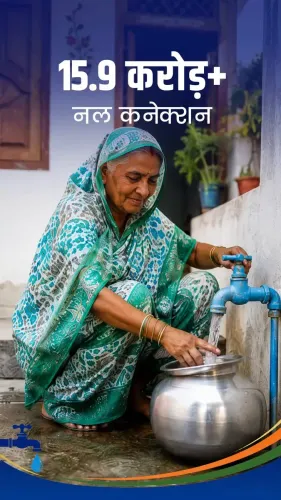
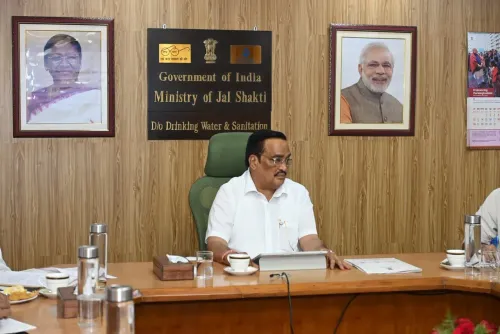
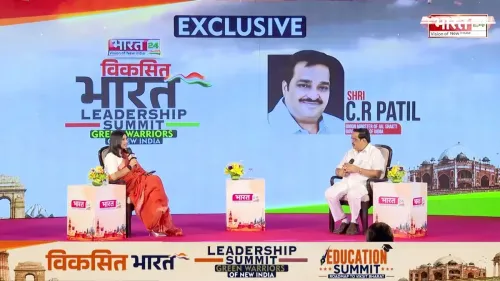
Union Jal Shakti Minister C. R. Paatil reaffirmed on 27 June 2026 that the Jal Jeevan Mission, launched by PM Modi in 2019, is delivering continuous, quality drinking water to rural families with full transparency — going beyond tap installation to ensure sustained last-mile service.
Key Takeaways
Union Jal Shakti Minister C.
Paatil posted a progress statement on the Jal Jeevan Mission on 27 June 2026 .
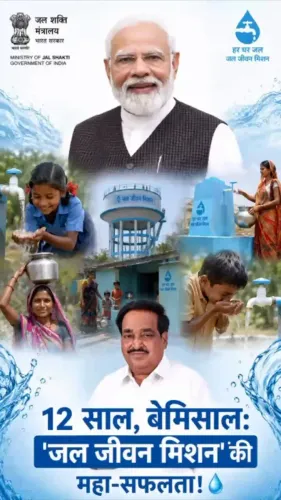
The Jal Jeevan Mission was launched by PM Narendra Modi on 15 August 2019 to provide piped tap water to all rural households.
Paatil stressed the mission's goal is not just tap installation but continuous and quality water supply for every family.
Implementation is a joint centre-state responsibility , with funds channelled through state water and sanitation missions.
The ministry's emphasis has shifted toward functionality, transparency, and last-mile service assurance , mirroring the approach of earlier schemes like Swachh Bharat Mission.
Next quarterly Ministry of Jal Shakti progress reports on coverage and functionality will be a key indicator of on-ground outcomes.
Union Jal Shakti Minister C. R. Paatil on Friday, 27 June 2026, reaffirmed the central government's commitment under the Jal Jeevan Mission to deliver continuous, quality drinking water to every rural household, stressing that the effort goes beyond merely installing taps to ensuring sustained service with full transparency.
Context
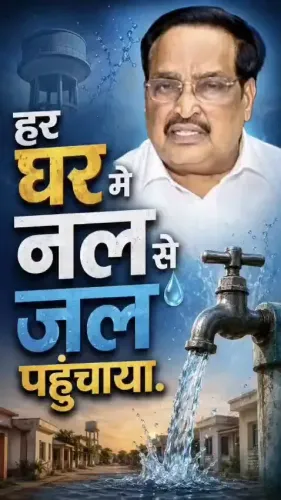
Posting on X, Minister Paatil wrote in Hindi: 'माननीय प्रधानमंत्री श्री @narendramodi जी के नेतृत्व में वर्ष 2019 से शुरू हुए इस मिशन के तहत आज धरातल पर अभूतपूर्व परिवर्तन आया है।' — translated: 'Under the leadership of honourable Prime Minister Shri Narendra Modi, this mission launched in 2019 has brought unprecedented transformation on the ground today.' He added that the government is working 'with complete transparency not just to provide taps, but to ensure continuous and quality water for every family.'
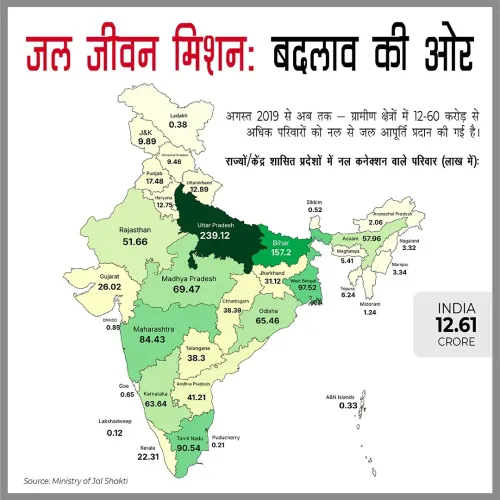
The post, accompanied by a video, is framed as a progress statement on the Jal Jeevan Mission (JJM), the flagship rural drinking-water scheme launched by Prime Minister Narendra Modi on 15 August 2019.
Policy Backdrop
The Jal Jeevan Mission was announced in the Union Budget of July 2019 and formally launched on Independence Day 2019, subsuming the earlier National Rural Drinking Water Programme. Its stated goal was to provide a Functional Household Tap Connection (FHTC) to every rural home in India, with an original target deadline of 2024.
Implementation is a joint responsibility of the central government and state governments, with funds routed through state water and sanitation missions. The scheme follows the trajectory of earlier social-infrastructure programmes such as Swachh Bharat Mission and Ujjwala Yojana, where the policy emphasis shifted from asset creation to last-mile service assurance, functionality audits, and periodic third-party reviews.
The Ministry of Jal Shakti, which Paatil heads, is the nodal ministry overseeing water resources, river development, and drinking-water programmes at the Union level.
Stakeholders and Impact
The primary beneficiaries of JJM are rural households across India, particularly those in states with historically low piped-water access. Village panchayats are key implementation partners, responsible for operating and maintaining local water supply infrastructure once installed.
Paatil's emphasis on 'continuous and quality water' — rather than mere connection counts — signals a policy focus on functionality and service levels, an area that has drawn scrutiny in parliamentary and civil-society discussions about the gap between connections installed and water actually flowing reliably.
What's Next
Observers will watch for the Ministry of Jal Shakti's next quarterly progress report on tap-water coverage and functionality parameters, which tracks both connection numbers and actual service delivery metrics at the household level. Any state-level review meetings or parliamentary standing committee discussions on JJM outcomes will be closely followed as indicators of how the scheme's quality and continuity targets are being met on the ground.
Minister Paatil's statement signals that the government intends to keep accountability and transparency at the centre of JJM's next phase, even as the mission moves from its original rollout targets toward long-term service sustainability.
Point of View
A shift that shields the government from criticism over the gap between taps installed and water reliably delivered. It fits a broader BJP communications pattern of positioning centrally sponsored schemes as living, evolving programmes rather than completed targets. The emphasis on PM Modi's leadership also keeps the flagship scheme tightly linked to the Prime Minister's brand ahead of any forthcoming state or national electoral cycle. Stakeholders and opposition voices will likely test these claims against ground-level functionality data in the next parliamentary session.
NationPress
24 Sept 2026
Frequently Asked Questions
What is the Jal Jeevan Mission?
The Jal Jeevan Mission is a central government scheme launched by PM Narendra Modi on 15 August 2019 to provide a functional household tap connection for drinking water to every rural household in India, subsuming the earlier National Rural Drinking Water Programme.
What did C. R. Paatil say about the Jal Jeevan Mission?
Minister C. R. Paatil stated on 27 June 2026 that the mission has brought 'unprecedented transformation on the ground' since 2019 and that the government is working with 'complete transparency' to ensure continuous, quality water for every family — not merely installing taps.
Who is C. R. Paatil?
C. R. Paatil is the Union Minister of Jal Shakti in the Government of India, a senior BJP leader, and a former president of the BJP's Gujarat state unit.
What is the target of the Jal Jeevan Mission?
The mission's original target was to provide piped drinking water connections to all rural households in India by 2024, with a focus on functionality and quality of supply, not just physical connection counts.
How is the Jal Jeevan Mission implemented?
The scheme is implemented jointly by the central and state governments, with funding routed through state water and sanitation missions and village panchayats playing a key role in operating and maintaining local water supply infrastructure.