Chirag Paswan Hails 12 Years of Modi Welfare Schemes
Synopsis
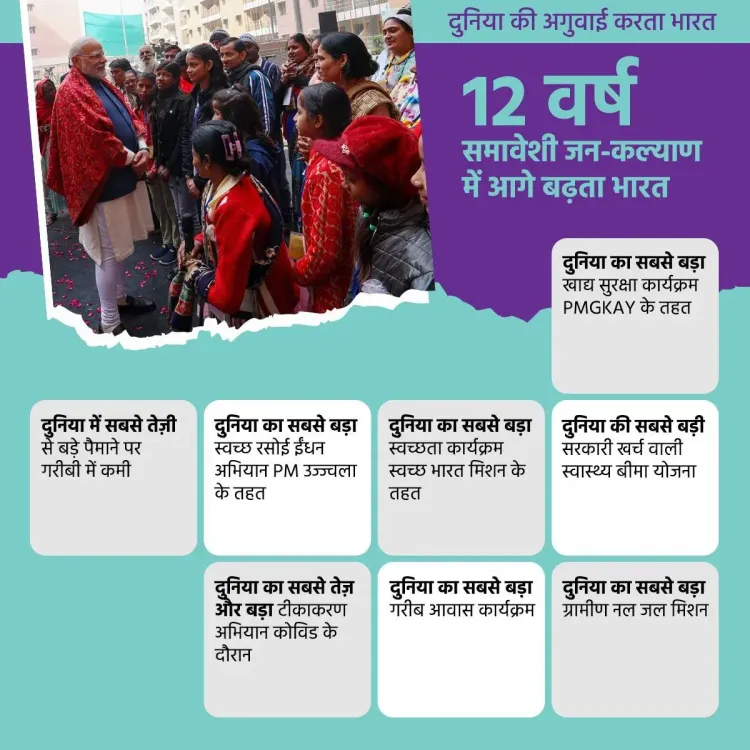
Union Minister Chirag Paswan has marked 12 years of the Modi government's Garib Kalyan programmes, highlighting Jan Dhan, Mudra loans, SVANidhi, PM Awas and Anna Yojana as instruments connecting crores of citizens to banking, housing, and self-employment under the Viksit Bharat vision.
Key Takeaways
Chirag Paswan posted on June 8, 2026 under #12YearsOfGaribKalyan to mark a dozen years of Modi government welfare delivery.
Five flagship schemes cited: PM Anna Yojana , PM Awas Yojana , Jan Dhan , Mudra loans , and PM SVANidhi .
PM Jan Dhan Yojana was launched in August 2014 to provide zero-balance accounts to unbanked households.
PM Mudra Yojana (launched April 2015 ) and PM SVANidhi (launched June 2020 ) extended collateral-free credit to micro-entrepreneurs and street vendors respectively.
The post frames Garib Kalyan spending as the foundation for the Viksit Bharat goal of a developed India by 2047 .
Parliamentary review of welfare outlays in the next Union Budget will be closely watched for signals on scheme expansion.
Union Food Processing Minister Chirag Paswan on Monday, June 8, 2026, took to X to mark 12 years of the Modi government's Garib Kalyan initiatives, crediting flagship welfare programmes with connecting crores of citizens to banking services, financial security, and self-employment opportunities.
Context
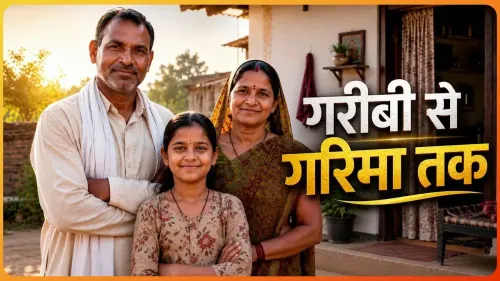
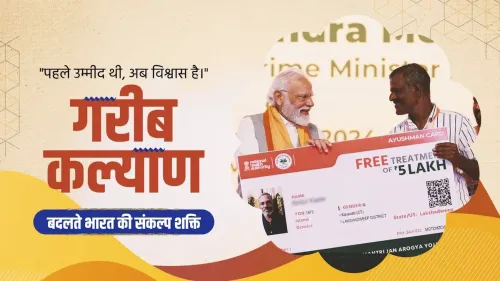
Posting under the hashtag #12YearsOfGaribKalyan, Paswan wrote: 'गरीब कल्याण मोदी सरकार की सर्वोच्च प्राथमिकता है' — 'Welfare of the poor is the highest priority of the Modi government.' He listed the Pradhan Mantri Anna Yojana, PM Awas Yojana, Jan Dhan, Mudra loans, and PM SVANidhi as instruments that have drawn low-income households into the economic mainstream. The post was addressed directly to Prime Minister Narendra Modi and the PMO India handle.
The #12YearsOfGaribKalyan hashtag marks the completion of a dozen years since the National Democratic Alliance government took office in May 2014, a milestone that the ruling coalition has used to spotlight its social-sector record. Paswan, as national president of the Lok Janshakti Party (Ram Vilas) and a Union Cabinet minister, is among the NDA's most prominent voices on welfare outreach.
Policy Backdrop
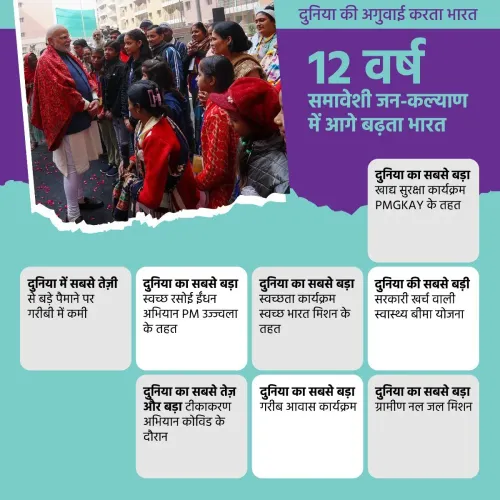
The programmes Paswan cited span the full arc of the Modi government's welfare architecture. Pradhan Mantri Jan Dhan Yojana, launched in August 2014, was designed to provide zero-balance bank accounts to previously unbanked households, forming the plumbing for direct benefit transfers. The PM Mudra Yojana, introduced in April 2015, extended collateral-free micro-enterprise loans to small businesses and first-generation entrepreneurs.
The PM SVANidhi scheme, announced in June 2020 during the pandemic, offered working-capital credit to street vendors — one of the most economically vulnerable urban groups. PM Awas Yojana, running since 2015 in both rural and urban variants, has aimed to provide pucca housing to eligible poor households. Together, these schemes form what the government describes as the Garib Kalyan umbrella — combining food security, shelter, credit, and livelihood support.
Stakeholders and Impact
The primary beneficiaries of the programmes cited are poor rural and urban households, street vendors, micro-entrepreneurs, and previously unbanked citizens. The Jan Dhan network, in particular, became the backbone for pandemic-era cash transfers to women and low-income account holders, demonstrating the systemic value of financial inclusion infrastructure.
Paswan's post frames these interventions as foundational to the government's Viksit Bharat vision — a developed India by 2047. By linking welfare delivery to the long-term development milestone, the messaging positions Garib Kalyan not as charity but as structural integration of the poor into the formal economy.
What's Next
Parliamentary scrutiny of welfare scheme outlays in the forthcoming Union Budget will be a key indicator of whether the government deepens or consolidates its Garib Kalyan spending. Mid-term evaluations of coverage under the Anna Yojana and PM SVANidhi are also expected to shape policy adjustments in the months ahead. As the NDA government moves deeper into its third term, the Garib Kalyan narrative is likely to remain central to its political communication ahead of state assembly elections.
Point of View
Timed to the NDA's 12-year anniversary and designed to reinforce the government's pro-poor credentials ahead of a busy electoral calendar. By invoking the Viksit Bharat frame, the communication lifts individual welfare schemes into a grand developmental narrative — poverty alleviation as nation-building rather than relief. As an NDA ally who heads the LJP (Ram Vilas), Paswan's amplification of the Garib Kalyan milestone also signals the continued strategic importance of welfare politics to the alliance's base among Dalit and lower-income voters. The real test will come when Budget numbers and independent coverage data are placed alongside the anniversary claims.
NationPress
22 Sept 2026
Frequently Asked Questions
What is the #12YearsOfGaribKalyan hashtag about?
The hashtag marks 12 years since the Modi government took office in May 2014 and is being used to highlight welfare schemes like Jan Dhan, PM Awas, Mudra loans, SVANidhi, and Anna Yojana that were launched during this period.
What is PM SVANidhi scheme?
PM SVANidhi is a street-vendor micro-credit scheme launched in June 2020 that provides collateral-free working-capital loans to help urban street vendors sustain and grow their livelihoods.
What did Chirag Paswan say about Garib Kalyan on June 8 2026?
Chirag Paswan posted on X stating that welfare of the poor is the highest priority of the Modi government and credited schemes like Jan Dhan, Mudra loans, PM Awas, SVANidhi, and Anna Yojana with connecting crores of citizens to banking and self-employment opportunities.
What is Viksit Bharat and how does it relate to welfare schemes?
Viksit Bharat is the government's vision for a developed India by 2047. The Modi government frames Garib Kalyan welfare schemes as the foundation for this goal by integrating low-income households into the formal economy.
What is PM Mudra Yojana?
PM Mudra Yojana, launched in April 2015, is a government scheme that provides collateral-free micro-enterprise loans to small businesses and first-generation entrepreneurs to support self-employment and economic growth.