Pradhan Marks 12 Years of Modi Govt's Garib Kalyan Push
Synopsis
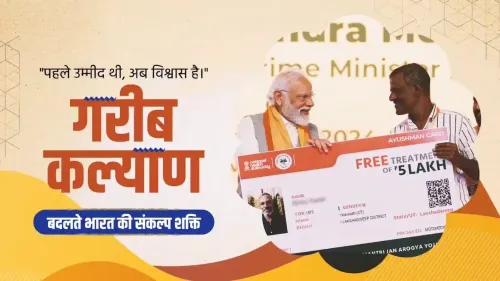
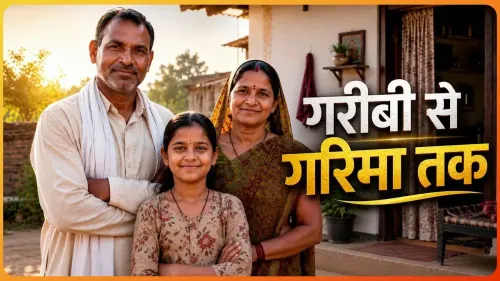
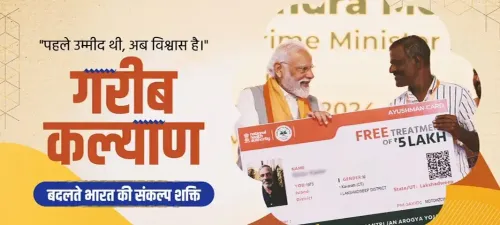
Union Education Minister Dharmendra Pradhan joined a BJP campaign marking 12 years of the Modi government's Garib Kalyan welfare drive, crediting the period with delivering security, dignity and opportunity to India's poor through flagship schemes on food, fuel and financial inclusion.
Key Takeaways
Dharmendra Pradhan posted on June 8, 2026 under #12YearsOfGaribKalyan , marking twelve years of the Modi government's welfare agenda.
The post describes the period as bringing 'security, dignity and new light of opportunities' to the poor and marginalised.
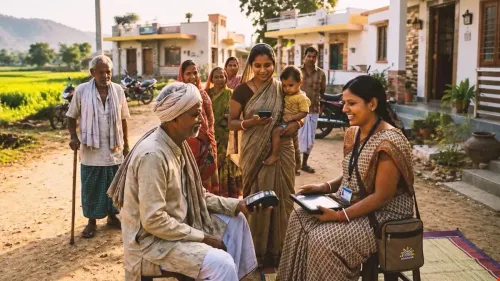
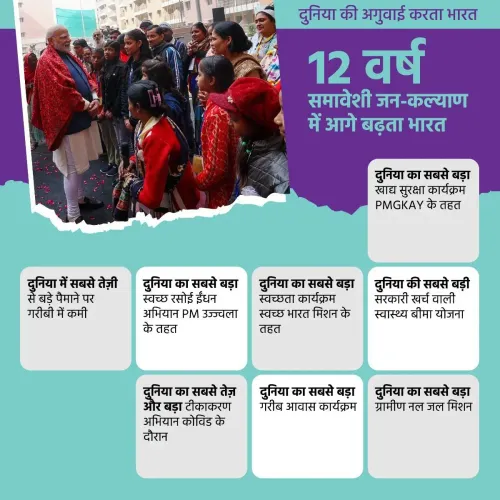
Pradhan Mantri Jan Dhan Yojana (launched August 2014 ) extended banking and insurance access to unbanked households.
Pradhan Mantri Ujjwala Yojana (launched May 2016 ) delivered subsidised LPG connections to below-poverty-line families.
PM Garib Kalyan Anna Yojana (launched March 2020 ) provided free food grains to crores of poor households and has been extended multiple times.
The campaign is part of a broader BJP political communication exercise tied to the party's twelve-year anniversary in power at the Centre.
Union Education Minister Dharmendra Pradhan on Monday, June 8, 2026, marked twelve years of the Narendra Modi government's welfare agenda, describing the period as one that has brought 'security, dignity and new light of opportunities' to the lives of the poor and marginalised.
Context
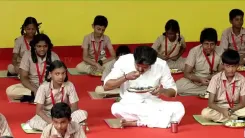
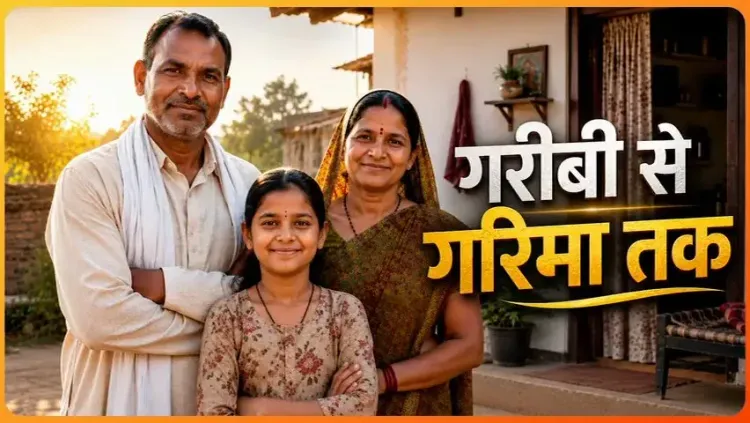
Pradhan posted on X under the hashtag #12YearsOfGaribKalyan, writing in Hindi: 'Garibon va vanchiton ke jeevan mein suraksha, samman aur avaron ki nayi roshni lekar aaya 12 varshon ka yeh parivartan kaal' — ('This twelve-year period of transformation has brought security, dignity and a new light of opportunities into the lives of the poor and the deprived'). The post was accompanied by a video and is part of a coordinated BJP campaign marking the ruling party's twelve-year anniversary in power at the Centre since May 2014.
Policy Backdrop
The Garib Kalyan ('welfare of the poor') narrative has been a central pillar of BJP governance since 2014, anchored by a series of flagship schemes. Pradhan Mantri Jan Dhan Yojana, launched in August 2014, extended banking access and insurance cover to previously unbanked households. Pradhan Mantri Ujjwala Yojana, rolled out in May 2016, delivered subsidised LPG cooking-gas connections to below-poverty-line families.
The PM Garib Kalyan Anna Yojana, introduced in March 2020 during the pandemic, expanded free food-grain distribution to crores of poor households and has been extended multiple times since. Running alongside these schemes, Aadhaar-linked direct benefit transfers were scaled up to reduce leakages in welfare delivery — a reform the government has repeatedly cited as a structural improvement in targeting subsidies.
Stakeholders and Impact
The primary beneficiaries of these programmes are poor and rural households across India, particularly those from economically weaker sections who lacked access to formal banking, clean cooking fuel and food security before 2014. The government has framed each of these schemes as addressing a distinct dimension of deprivation — financial inclusion, energy access, food security and housing.
Critics and opposition parties have periodically questioned the pace and quality of implementation, and have called for greater transparency in beneficiary data. Parliamentary debates on the funding and extension of food-security schemes are expected to continue in upcoming budget sessions.
What's Next
The #12YearsOfGaribKalyan campaign signals that the BJP intends to use this anniversary milestone as a political and policy communication exercise ahead of future electoral and legislative cycles. Observers will watch for announcements of new phases or expanded coverage under existing Garib Kalyan programmes, as well as parliamentary scrutiny of scheme allocations in the next Union Budget. The broader question of whether welfare delivery metrics translate into measurable poverty reduction will remain central to the policy debate.
Point of View
Dignity and opportunity maps directly onto three distinct voter segments: food-insecure households, rural women and the previously unbanked poor. By framing twelve years as a 'period of transformation' rather than listing specific statistics, the messaging stays aspirational and difficult to fact-check in real time. The broader arc here is the BJP's effort to own the 'pro-poor' political space that was historically occupied by Congress-era entitlement programmes.
NationPress
22 Sept 2026
Frequently Asked Questions
What is the #12YearsOfGaribKalyan campaign about?
The #12YearsOfGaribKalyan campaign marks twelve years of the Narendra Modi government's welfare agenda since May 2014, highlighting schemes such as PM Jan Dhan Yojana, Ujjwala Yojana and PM Garib Kalyan Anna Yojana that targeted food security, clean fuel access and financial inclusion for poor households.
What did Dharmendra Pradhan say about Garib Kalyan?
Pradhan wrote in Hindi that the twelve-year period of transformation has brought 'security, dignity and a new light of opportunities' into the lives of the poor and the deprived, posting the message on X on June 8, 2026.
What is PM Garib Kalyan Anna Yojana?
PM Garib Kalyan Anna Yojana is a central government scheme launched in March 2020 that provides free food grains to poor households. It was initially introduced as a pandemic relief measure and has been extended multiple times since.
What welfare schemes has the Modi government launched since 2014?
Key welfare schemes since 2014 include Pradhan Mantri Jan Dhan Yojana for banking access (2014), Pradhan Mantri Ujjwala Yojana for subsidised LPG connections (2016), PM Garib Kalyan Anna Yojana for free food grains (2020), and expanded Aadhaar-linked direct benefit transfers to reduce subsidy leakages.
Who is Dharmendra Pradhan?
Dharmendra Pradhan is the Union Minister of Education and a senior BJP leader. He previously served as Union Petroleum Minister and is a prominent face of the BJP's outreach on welfare and education policy.