Pradhan marks 12 years of Modi govt welfare schemes
Synopsis
Union Education Minister Dharmendra Pradhan on June 8, 2026 marked twelve years of the Modi government's welfare push, citing Jan Dhan, Ujjwala, Ayushman Bharat, and Jal Jeevan Mission as proof that the Antyodaya principle has delivered real change to crores of families.
Key Takeaways
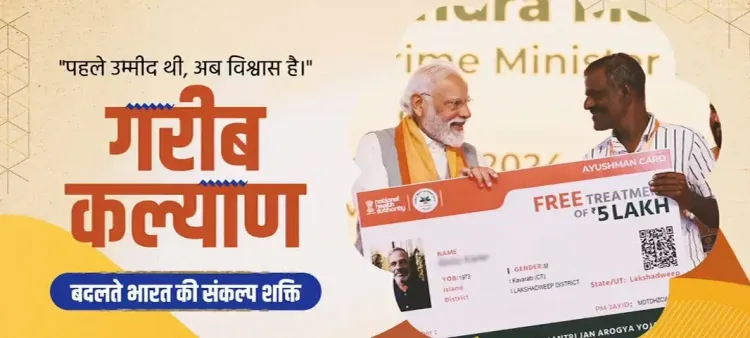
Union Education Minister Dharmendra Pradhan posted on June 8, 2026 to mark 12 years of the Modi government's welfare programmes under #12YearsOfGaribKalyan .
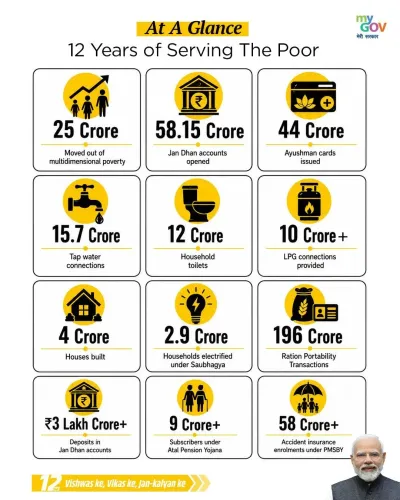
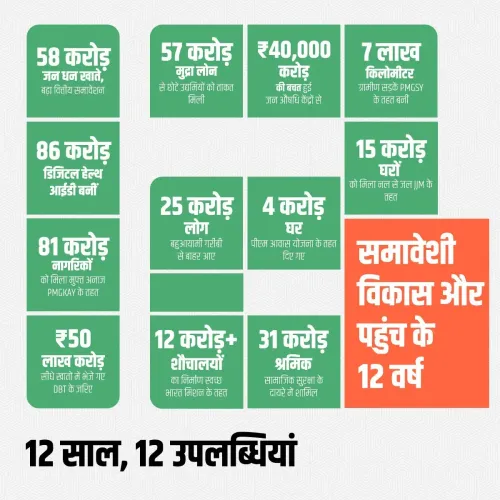
Six flagship schemes cited: Jan Dhan Yojana (2014), Swachh Bharat Mission (2014), Ujjwala Yojana (2016), Pradhan Mantri Awas Yojana (2015), Ayushman Bharat (2018), and Jal Jeevan Mission (2019).
Pradhan credited the Direct Benefit Transfer system with making welfare delivery transparent and reducing leakages.
The post invokes the Antyodaya principle — prioritising the poorest — as the philosophical backbone of the government's welfare model.
The messaging is framed within the Viksit Bharat 2047 long-term development vision.
Primary beneficiaries highlighted are below-poverty-line households , women , and the rural poor .
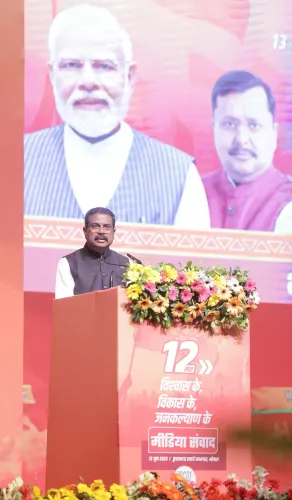
Union Education Minister Dharmendra Pradhan on Monday, June 8, 2026, hailed twelve years of the Narendra Modi-led central government, highlighting flagship welfare programmes that he said had transformed governance by connecting it directly to the lives of ordinary citizens.
Context
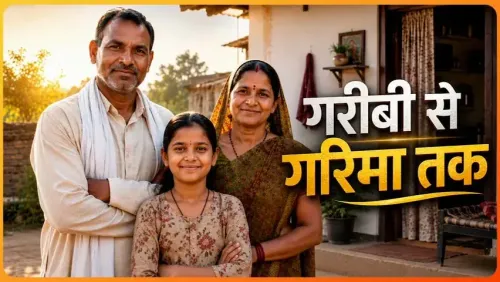
Posting under the hashtag #12YearsOfGaribKalyan, Pradhan wrote in Hindi that the past twelve years had seen India's welfare architecture undergo a transformation that linked governance directly to everyday life. He invoked the Antyodaya (reaching the last person) principle, stating that development should not remain confined to statistics but must reach every person in need in a real and tangible way.
Translating his words: 'Through 'Modi's Guarantee', schemes such as Jan Dhan Yojana, Ujjwala Yojana, Swachh Bharat Mission, Jal Jeevan Mission, Ayushman Bharat, and Pradhan Mantri Awas Yojana have infused dignity, security, and new hope into the lives of crores of families. Where there was once deprivation, there is now opportunity; where there was struggle, there is now stability.'
Policy Backdrop
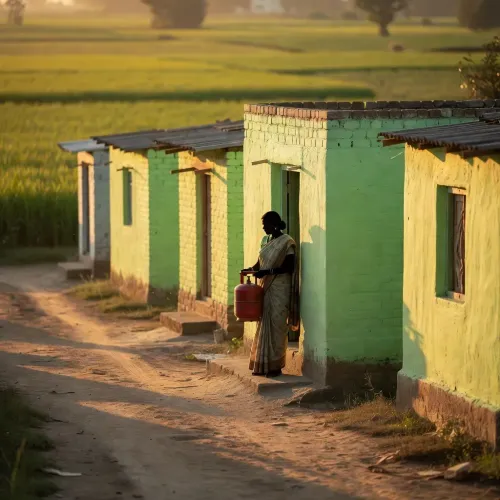
The schemes cited by Pradhan span the full tenure of the Modi government. Pradhan Mantri Jan Dhan Yojana, launched in August 2014, aimed to bring unbanked households into the formal financial system. Swachh Bharat Mission, launched in October 2014, drove a nationwide sanitation push, while Pradhan Mantri Ujjwala Yojana, started in 2016, provided LPG connections to women from below-poverty-line families.
Ayushman Bharat, launched in 2018, extended health cover to economically vulnerable families, and Pradhan Mantri Awas Yojana, initiated in 2015, targeted housing for the rural and urban poor. The Direct Benefit Transfer (DBT) system, expanded from 2014 onward, underpins all these schemes by routing subsidies directly to beneficiaries' bank accounts, reducing leakages. Pradhan specifically credited DBT with making the system transparent and strengthening public trust.
Jal Jeevan Mission, announced in 2019, set out to provide tap water connections to all rural households, completing a broader infrastructure-for-welfare arc that the government has consistently highlighted.
Stakeholders and Impact
The primary beneficiaries of the schemes Pradhan referenced are below-poverty-line households, women, and the rural poor — groups that the Antyodaya framework explicitly prioritises. The DBT architecture, by linking scheme delivery to Jan Dhan accounts, has made women in particular a central node of household welfare transfers.
Pradhan's post is part of a coordinated BJP communication effort marking the anniversary, framing the party's welfare record as a moral and administrative achievement rather than a purely electoral argument. Senior ministers across portfolios have been amplifying the #12YearsOfGaribKalyan message on social media.
What's Next
The twelve-year milestone feeds directly into the Viksit Bharat 2047 long-term development narrative, which the Modi government has positioned as the next horizon for India's transformation. Pradhan described the journey as one that empowers every citizen with 'dignity, self-respect, and confidence in a bright future.'
Analysts and opposition groups are likely to scrutinise scheme-level performance data — including saturation figures and fund-utilisation rates — as the government's communication push intensifies. The next Union Budget allocations and periodic performance reports from the Ministry of Finance and NITI Aayog will be closely watched as benchmarks against the claims being made.
Point of View
Using the language of moral governance — Antyodaya, dignity, trust — rather than purely fiscal metrics. The deliberate invocation of six distinct schemes signals an attempt to build a cumulative narrative of welfare saturation ahead of the political cycle. Framing the record within Viksit Bharat 2047 also serves to extend the government's accountability horizon beyond the current term. The absence of specific beneficiary numbers is notable; it keeps the message aspirational while avoiding scrutiny of scheme-level performance data.
NationPress
19 Sept 2026
Frequently Asked Questions
What is #12YearsOfGaribKalyan about?
#12YearsOfGaribKalyan is a BJP-led social media campaign marking twelve years of the Narendra Modi government's welfare schemes, highlighting programmes such as Jan Dhan Yojana, Ujjwala Yojana, Ayushman Bharat, and others that target poor and marginalised households.
What did Dharmendra Pradhan say about Modi government welfare schemes?
Dharmendra Pradhan said that under Prime Minister Modi's leadership, welfare governance has been directly linked to the lives of ordinary citizens through the Antyodaya principle, and that schemes like Jan Dhan, Ujjwala, and Ayushman Bharat have brought dignity, security, and hope to crores of families.
What is the Antyodaya principle mentioned in Pradhan's post?
Antyodaya is a governance philosophy meaning 'upliftment of the last person,' which the Modi government has used as the guiding principle for its welfare schemes, ensuring that development reaches the poorest and most marginalised citizens first.
How does Direct Benefit Transfer relate to these welfare schemes?
Direct Benefit Transfer (DBT) routes subsidies and welfare payments directly into beneficiaries' bank accounts — often linked to Jan Dhan accounts — reducing leakages and middlemen. Pradhan credited DBT with making the welfare system more transparent and building public trust.
What is Viksit Bharat 2047?
Viksit Bharat 2047 is the Modi government's long-term vision to make India a developed nation by the centenary of its independence. Pradhan's post frames the twelve-year welfare record as a foundational step on this journey.