Giriraj Singh Reviews Fabric Innovations at Durgapur Textiles Meet
Synopsis
Union Textiles Minister Giriraj Singh visited Durgapur on 6 November to examine new cotton, ramie, and linen fabric blends and push product diversification in the handloom sector — a ground-level signal of the ministry's shift beyond cotton monoculture.
Key Takeaways
Giriraj Singh visited Durgapur on 6 November 2026 for an on-ground review of textile innovations with sector officials.
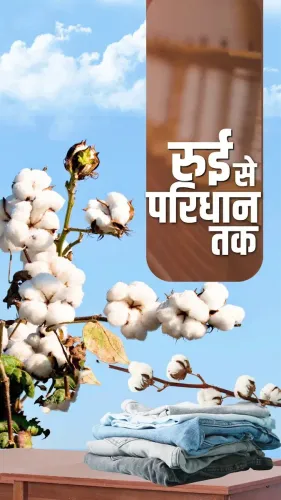
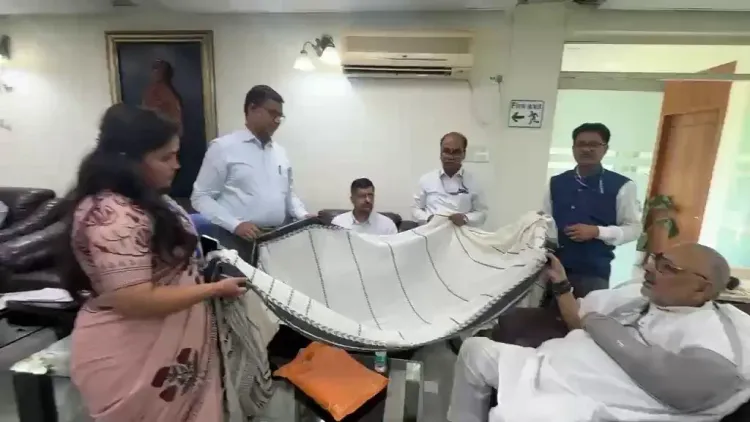
The minister examined fabrics blended from cotton, ramie, and linen — fibres central to the ministry's value-addition strategy.
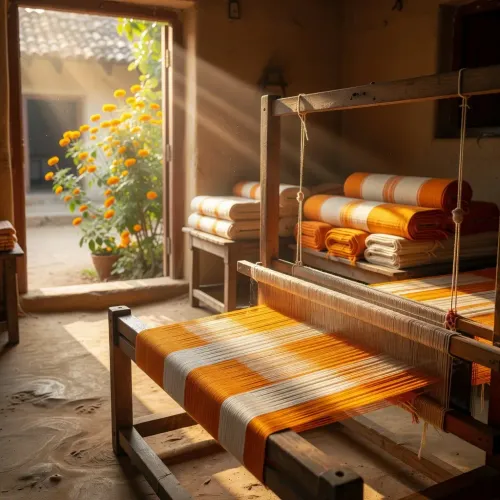
Discussions covered new experiments, product diversification , and promoting innovation in the handloom sector .
The visit aligns with the National Handloom Development Programme 's long-standing push for product modernisation in weaver clusters.
Durgapur is an atypical textile cluster destination, suggesting the ministry is exploring new geography for fibre-blending pilots.
Follow-up announcements on handloom innovation funding or cluster-level pilots are possible in the coming months.
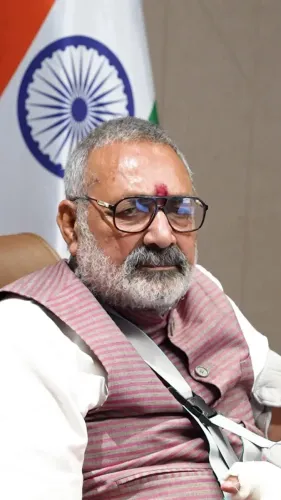
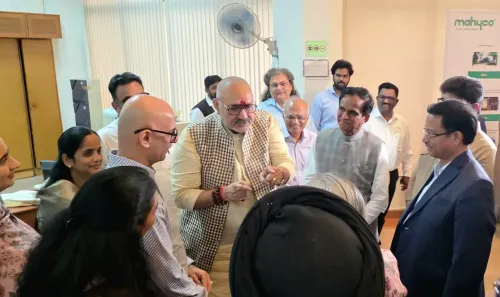
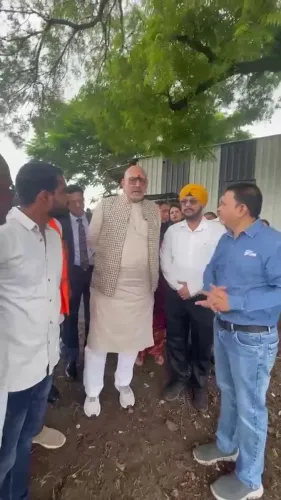
A minister rolling up his sleeves on the factory floor — not behind a podium — signals a ministry that is watching its supply chain up close. Union Textiles Minister Giriraj Singh visited Durgapur on Friday, 6 November 2026, where he met with textile sector officials to examine new products and innovations in fabric manufacturing, with a sharp focus on blended fibres and handloom modernisation.
Posting on X, Singh wrote: 'Durgapur mein vastra kshetra se jude adhikariyon ke saath vibhinn naye utpadon aur navacharion ko dekha' — 'In Durgapur, I examined various new products and innovations alongside textiles sector officials.' He added that he studied the characteristics of fabrics made from different blends of fibres such as cotton, ramie, and linen, and held discussions on new experiments, product diversification, and promoting innovation in the handloom sector.Cotton, Ramie, and Linen: Why the Blend Matters
The textiles ministry has been pushing a deliberate pivot beyond cotton monoculture for several years. Ramie, a bast fibre with high tensile strength and natural lustre, and linen, prized for breathability and durability, offer weavers higher value-addition potential than cotton alone. Blending these fibres changes the texture, durability, and market positioning of the finished fabric — opening price points that mass-cotton products cannot reach.
That is precisely the gap the ministry wants domestic handloom clusters to fill. Rather than competing on volume with power-loom or machine-made imports, blended handloom fabrics can command a premium in both domestic and export markets. The minister's on-ground review of these fabric characteristics suggests the ministry is at an active assessment stage — not merely issuing circulars from Delhi.
Handloom Innovation Under the National Programme
India's National Handloom Development Programme has underwritten product diversification and cluster modernisation since its earlier phases in the 2010s. The programme channels support to weavers for design upgrades, raw-material access, and market linkage — with product innovation a recurring priority in successive iterations.
Field visits by the minister to regional textile clusters are part of this engagement model: ground-level observation that feeds into policy refinement. Durgapur, in West Bengal's industrial heartland, is an atypical textile destination — which makes this visit notable. It suggests the ministry is scouting clusters beyond the established handloom belts of Varanasi, Murshidabad, and Pochampally for pilots in fibre blending and product development.
What Singh's Durgapur Visit Could Trigger
Discussions on 'new experiments and product diversification' at a ministerial field visit often precede cluster-level pilot announcements or funding allocations under central schemes. The ministry is expected to follow up with potential handloom innovation funding or pilot projects at the cluster level in the coming months — though no formal announcement has been made yet.
For India's roughly 35 lakh handloom weavers — the second-largest rural employment sector after agriculture — every nudge toward product diversification is a nudge toward income stability. A minister who visits Durgapur to feel the fabric himself is sending a signal the sector will be watching closely.
Point of View
Value-added fabrics that can compete in export markets. For the BJP, visible ministerial activity in West Bengal's industrial belt also carries a political undertone — the state remains an electoral priority. Watch whether this visit translates into a cluster-level pilot or a budgetary line in the next handloom scheme revision.
NationPress
6 Nov 2026
Frequently Asked Questions
Why did Giriraj Singh visit Durgapur?
Union Textiles Minister Giriraj Singh visited Durgapur on 6 November 2026 to meet textile sector officials, examine new fabric products made from cotton, ramie, and linen blends, and discuss product diversification and innovation in the handloom sector.
What is ramie fibre and why is it important for Indian textiles?
Ramie is a natural bast fibre known for its high tensile strength, lustre, and durability. For Indian handloom weavers, blending ramie with cotton or linen can produce higher-value fabrics that command a premium in domestic and export markets.
What is the National Handloom Development Programme?
The National Handloom Development Programme is a central government scheme that has supported product diversification, design upgrades, raw-material access, and cluster modernisation for India's handloom sector since the 2010s.
How many weavers depend on India's handloom sector?
India's handloom sector employs approximately 35 lakh (3.5 million) weavers, making it the second-largest rural employment sector after agriculture.
What could follow from Singh's Durgapur textile visit?
Ministerial field visits of this nature often precede cluster-level pilot project announcements or enhanced funding allocations under central handloom schemes. No formal announcement has been made yet, but follow-up action is possible in the coming months.