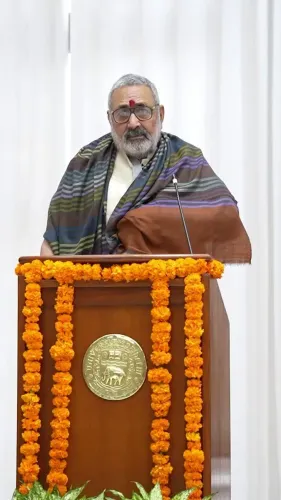
Giriraj Singh traces cotton's journey from farm to T-shirt
Synopsis
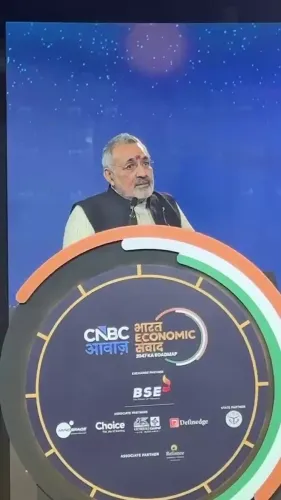
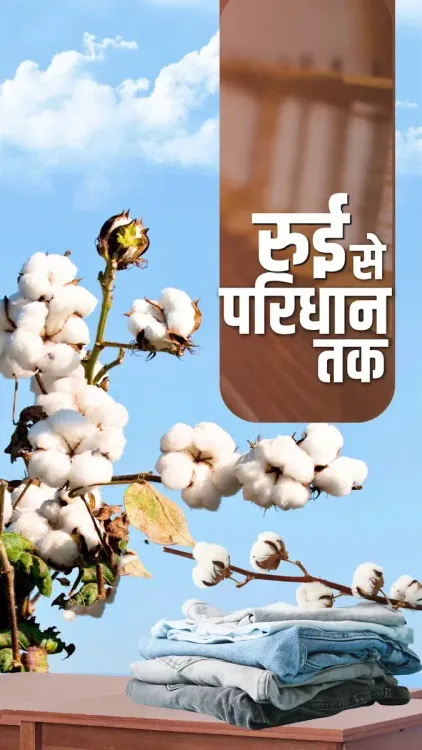
Union Textiles Minister Giriraj Singh shared a video on 4 November 2026 tracing cotton's journey from raw boll to finished T-shirt, spotlighting the multi-stage value chain that drives India's textile sector and supports millions of livelihoods.
Key Takeaways
Union Textiles Minister Giriraj Singh posted an explainer video on 4 November 2026 on the cotton-to-garment manufacturing chain.
The post, in Hindi, traces cotton from the boll on the plant through ginning, spinning, weaving, dyeing, and stitching to a finished T-shirt.
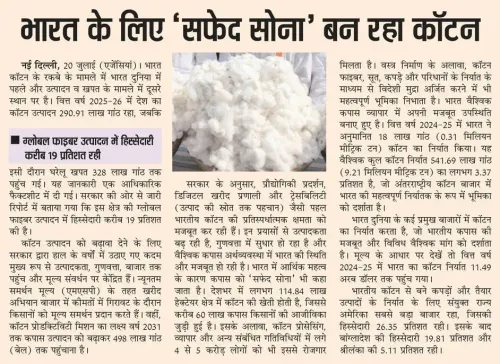
India is among the world's largest cotton producers and exporters, with the textile sector among the country's biggest employers.
Key cotton-growing states include Maharashtra, Gujarat, and Telangana ; major processing clusters span Tamil Nadu, Karnataka, and Delhi NCR .
No specific scheme or policy announcement was attached to the post; it functions as a public-awareness explainer from the ministry.
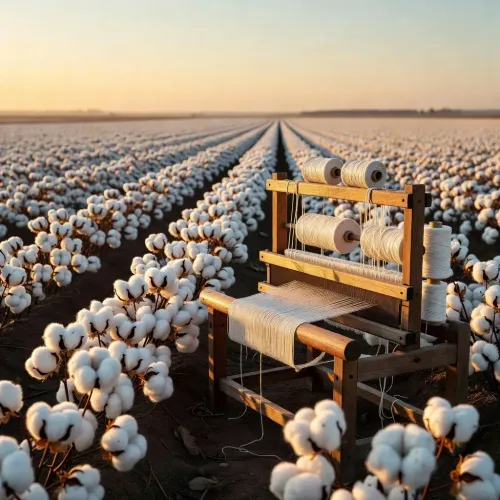
From the moment a cotton boll bursts open in a sun-baked field to the finished T-shirt folded on a retail shelf, an entire industrial civilisation hums in between. Union Textiles Minister Giriraj Singh on Wednesday, 4 November 2026, shared a video on X walking viewers through that exact journey — the multi-stage value chain that turns raw white fibre into wearable cotton fabric.
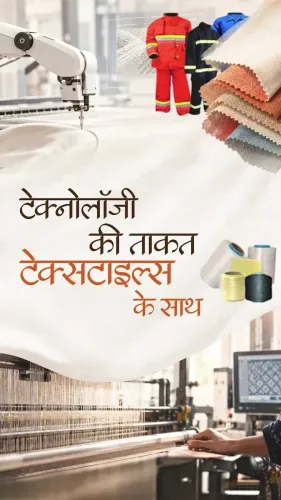
Posting in Hindi, the minister framed it as an explainer: 'कपास के पौधे में खिले सफेद रेशों से लेकर पहनने के लिए तैयार टी-शर्ट तक' — 'From the white fibres blooming on the cotton plant, all the way to a ready-to-wear T-shirt, learn how cotton cloth takes shape through many stages.'
The stages that stand between soil and store
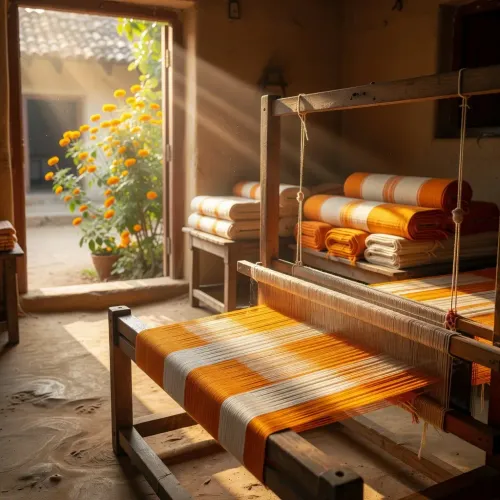
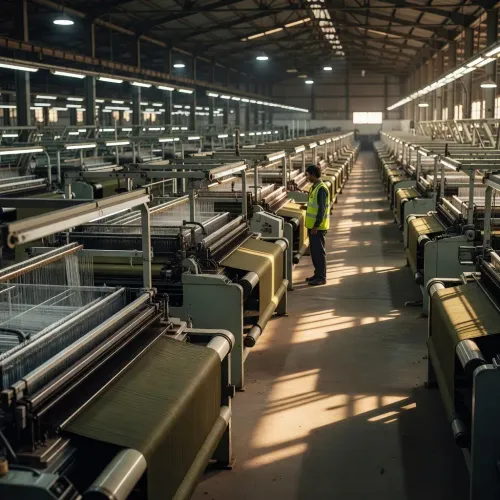
Cotton's journey is longer than most consumers realise. After the boll is harvested, the fibre must be ginned to separate lint from seed, then cleaned, carded, and spun into yarn. That yarn is woven or knitted into grey fabric, which then passes through bleaching, dyeing, and finishing before a cut-and-sew unit turns it into a garment. Each stage is a distinct industry — and in India, each stage is also a distinct cluster of livelihoods. India is one of the world's largest producers and exporters of cotton and cotton textiles, with the sector supporting tens of millions of workers — from smallholder farmers in Maharashtra, Gujarat, and Telangana to spinning mills in Tamil Nadu and garment factories in Karnataka and Delhi NCR. The integrated farm-to-apparel chain is both a source of foreign exchange and one of the country's largest employers outside agriculture.Why a minister is explaining cotton to the internet
Ministers increasingly use short-form video content to build public awareness around sectors they oversee — a soft form of advocacy that primes audiences for policy announcements, scheme launches, or investment pitches. For the Textiles Ministry, spotlighting the cotton value chain also signals continued government interest in strengthening domestic processing capacity rather than exporting raw fibre. When India adds value at every stage — spinning, weaving, dyeing, garmenting — more of the economic return stays inside the country. No specific scheme or policy announcement accompanied the post, but the ministry has in recent years pushed initiatives aimed at modernising cotton processing and improving fibre quality, with an eye on making Indian yarn and fabric more competitive in global markets.Point of View
The stakes are significant: domestic value-addition at each processing stage determines whether the sector captures global market share or cedes it to competitors who process more efficiently. Giriraj Singh, based in Bihar but overseeing a sector concentrated across multiple states, benefits from framing textiles as a national story rather than a regional one. Watch for follow-up content tied to cotton processing standards, quality-upgrade schemes, or export promotion messaging.
NationPress
5 Nov 2026
Frequently Asked Questions
What is the cotton to garment value chain in India?
The cotton-to-garment value chain in India begins with harvesting the raw cotton boll, followed by ginning, spinning into yarn, weaving or knitting into fabric, dyeing and finishing, and finally cutting and stitching into garments. Each stage is a distinct industry supporting millions of workers across different states.
Which states are major cotton producers in India?
Maharashtra, Gujarat, and Telangana are among India's largest cotton-producing states. Tamil Nadu is a major hub for spinning mills, while Karnataka and Delhi NCR host large garment manufacturing clusters.
Why did Union Textiles Minister Giriraj Singh post about cotton?
On 4 November 2026, Giriraj Singh shared an explainer video on X tracing the multi-stage journey from raw cotton fibre to a finished T-shirt, aiming to build public awareness about India's textile value chain. No specific policy announcement accompanied the post.
How important is the textile sector to India's economy?
India's textile sector is one of the country's largest sources of employment and foreign exchange earnings, supporting tens of millions of workers from farmers to garment factory workers. India is among the world's biggest producers and exporters of cotton and cotton textiles.
What is the difference between cotton ginning and spinning?
Ginning is the first processing stage, where raw cotton lint is mechanically separated from the seed and cleaned. Spinning comes later, twisting the cleaned cotton fibres together to form continuous yarn that can then be woven or knitted into fabric.