CM Himanta Flags Dhubri Rally Against INDI Alliance
Synopsis
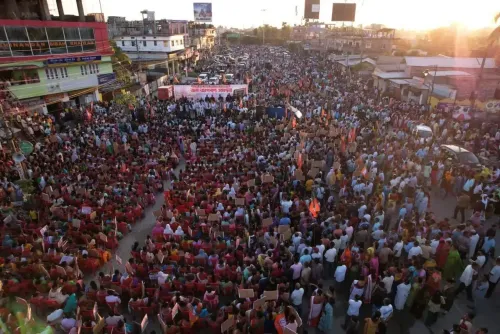
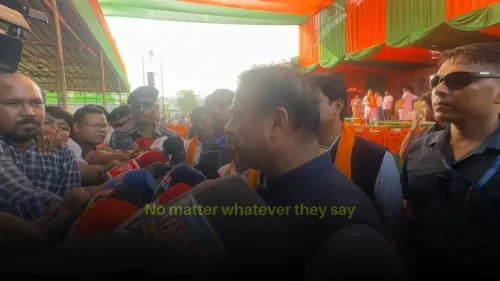
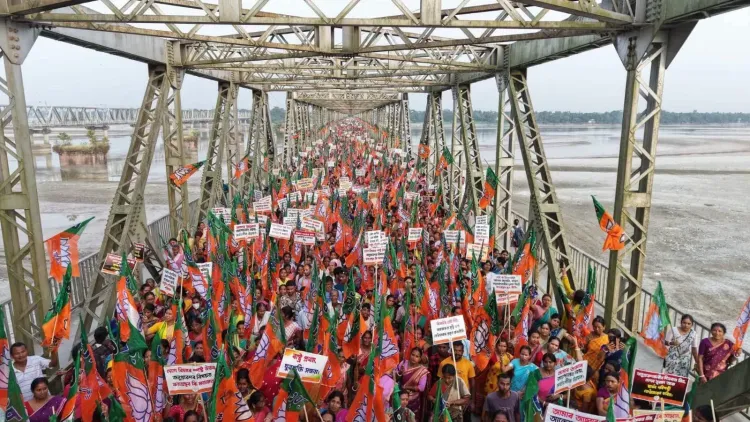
Assam Chief Minister Himanta Biswa Sarma highlighted mass gatherings in Dhubri on 4 November 2026, saying citizens turned out in large numbers to oppose what he termed the 'anarchist acts' of the INDI Alliance, framing it as a democratic mandate ahead of the 2026 Assam assembly elections.
Key Takeaways
Assam CM Himanta Biswa Sarma posted on 4 November 2026 about large public gatherings in Dhubri opposing the INDI Alliance.
Sarma described the opposition's actions as 'anarchist acts' and said any threat to democracy 'won't be tolerated.' Dhubri is a politically significant district in western Assam with a substantial Muslim population.
The INDI Alliance (INDIA bloc) was formed in mid- 2023 to coordinate opposition to the BJP-led NDA nationally and in states.
The post signals the BJP's campaign framing — democratic stability vs. opposition destabilisation — ahead of the 2026 Assam Legislative Assembly elections .
Sarma also serves as convenor of the North-East Democratic Alliance (NEDA) , the region's key BJP-aligned coalition.
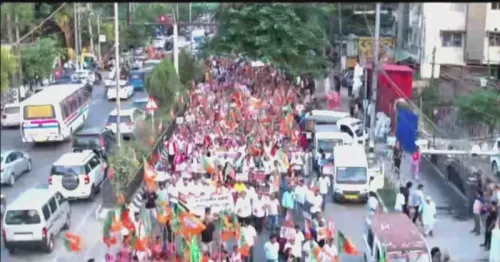
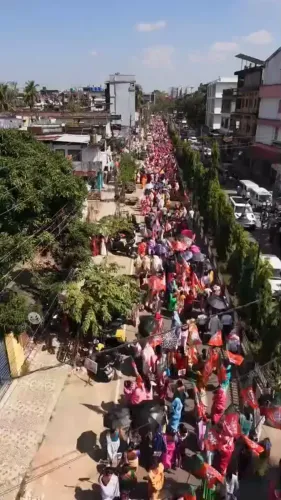
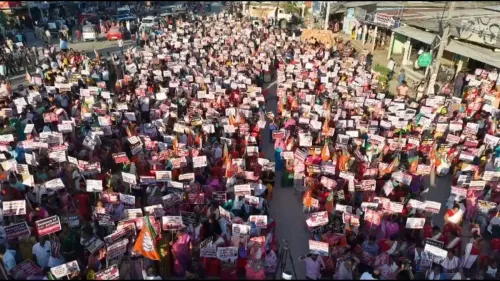
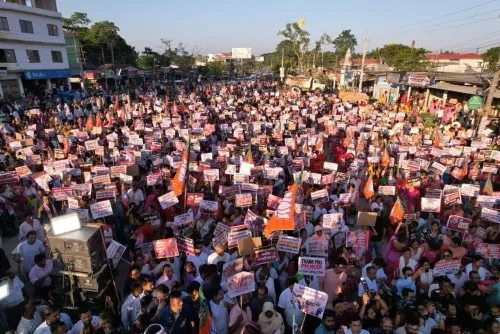
A district long regarded as a bellwether of western Assam's political mood sent what Assam Chief Minister Himanta Biswa Sarma described as an unambiguous signal on Wednesday, 4 November 2026 — large public gatherings in Dhubri voicing sharp opposition to what he called the 'anarchist acts' of the INDI Alliance and its affiliated groups.
What happened in Dhubri — and what Sarma says it means
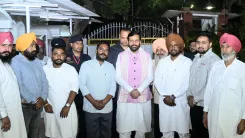
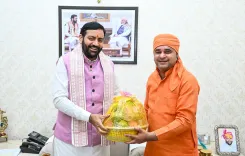
Sarma posted four images from the district alongside a pointed message: 'Across cities, towns and villages, the mood of the people is clear — any threat to democracy and challenge to our system won't be tolerated.' The framing was deliberate. Dhubri, a district in western Assam with a substantial Muslim population, has historically been contested territory — making visible mobilisation there a rhetorically significant data point for the ruling BJP.
The Chief Minister stopped short of specifying which acts he was labelling 'anarchist', but the target was explicit: the INDI Alliance, the opposition coalition formed in mid-2023 by multiple national and regional parties with the stated aim of coordinating a challenge to the BJP-led NDA at both national and state levels.
The 2026 Assam election backdrop
The post lands squarely in the warm-up phase for the Assam Legislative Assembly elections due in 2026. BJP leaders in the state have, through successive electoral cycles, consistently framed opposition activity as a danger to institutional stability — and Wednesday's statement follows that established playbook closely. Sarma, who also serves as convenor of the North-East Democratic Alliance (NEDA), commands the region's most prominent BJP-aligned political network, and his ability to project grassroots momentum from a district like Dhubri carries strategic weight ahead of the polls.
The opposition INDIA bloc, as it is also known, has been working to stitch together alliance strategies across Assam and the broader north-east, making the battle for districts like Dhubri a live front in a wider pre-election contest.
Democracy as the campaign's central vocabulary
What is striking about Sarma's language is the choice of terrain: not development, not governance, but democracy itself. By casting the opposition as a threat to 'our system', the Chief Minister is signalling the register in which he intends to fight the next election — a defence of institutional order against what he characterises as destabilisation. Whether that framing takes hold across Assam's varied electorates is the question every political strategist in the state is now calculating.
With assembly elections on the horizon, the temperature in Assam's political landscape is already rising — and Dhubri just became the first place to feel the heat.
Point of View
He aims to disrupt the opposition's narrative of a unified anti-incumbency wave in western Assam. The 'democracy under threat' vocabulary is a durable BJP rhetorical frame, deployed consistently since 2021 to shift debate from governance metrics to institutional loyalty. With the INDIA bloc actively building its Assam alliance architecture, Sarma is effectively drawing the first battle lines of the 2026 campaign — framing the contest not as a referendum on his government but as a civilisational choice about stability. How the opposition responds to this positioning in Dhubri and similar districts will shape the ideological temperature of the entire election cycle.
NationPress
5 Nov 2026
Frequently Asked Questions
Why is Dhubri politically significant in Assam?
Dhubri is a district in western Assam with a large Muslim population, making it a key constituency in state elections. Any visible pro-BJP mobilisation there is considered strategically important for the ruling party ahead of the 2026 Assam assembly elections .
What is the INDI Alliance that Himanta Biswa Sarma criticised?
The INDI Alliance , also called the INDIA bloc, is an opposition coalition formed in mid- 2023 by multiple national and regional parties to challenge the BJP-led NDA in national and state elections. CM Sarma labelled its recent activities 'anarchist acts' in his post.
When are the next Assam assembly elections?
The Assam Legislative Assembly elections are due in 2026 . Chief Minister Himanta Biswa Sarma and the BJP have begun positioning their campaign narrative ahead of the polls, as evidenced by posts like the one on 4 November 2026 .
What is NEDA and what is Himanta Biswa Sarma's role in it?
The North-East Democratic Alliance (NEDA) is a BJP-aligned political coalition of parties across north-eastern India. Himanta Biswa Sarma , Assam's Chief Minister, serves as its convenor and is the region's most influential BJP political figure.
What did Himanta Biswa Sarma say about the Dhubri rally?
CM Sarma said people came out in large numbers in Dhubri to oppose what he termed the 'anarchist acts' of the INDI Alliance, adding: 'any threat to democracy and challenge to our system won't be tolerated.'