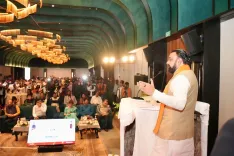
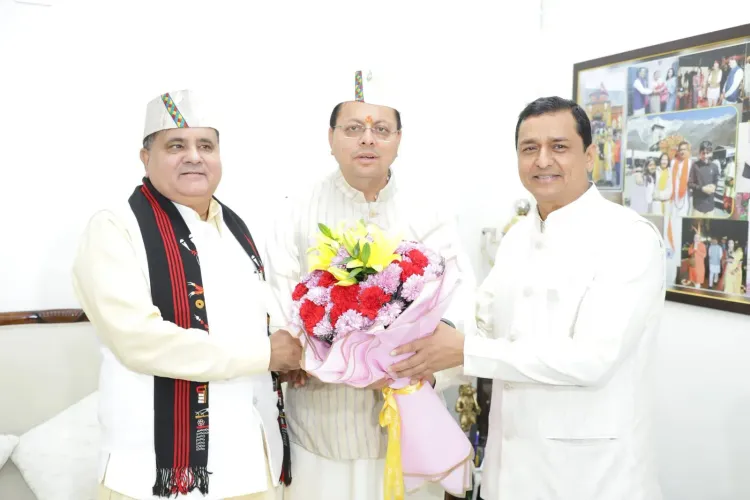
CM Dhami visits Anil Baluni in Delhi, greets him for Igas Bagwal
Synopsis
Uttarakhand CM Pushkar Singh Dhami visited BJP MP Anil Baluni's Delhi home on November 19 to extend personal Igas Bagwal greetings, calling the Kumaon festival a symbol of cultural heritage, social unity, and the duty to pass folk traditions to future generations.
Key Takeaways
CM Pushkar Singh Dhami personally visited Anil Baluni's New Delhi residence on November 19, 2026 .
The visit was to extend wishes for Igas Bagwal , a traditional festival of Uttarakhand's Kumaon region.
Dhami described Igas Bagwal as a symbol of 'cultural heritage, social unity, and mutual love and harmony.' Anil Baluni is a BJP Lok Sabha MP from Uttarakhand and national coordinator of the party's transport department.
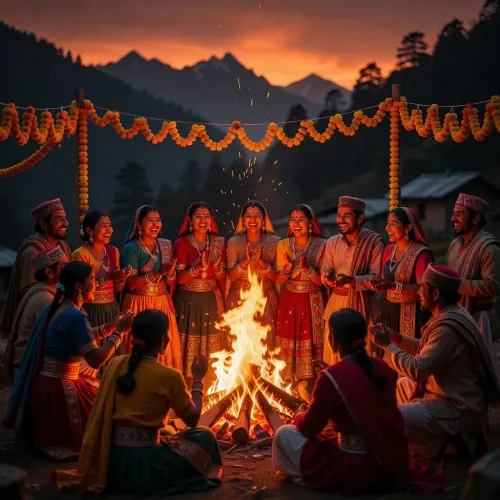
Igas Bagwal involves lamp-lighting and community rituals, observed after Diwali in Kumaon hill communities.
The visit reflects the BJP's broader practice of leaders personally marking regional festivals as cultural and political outreach.
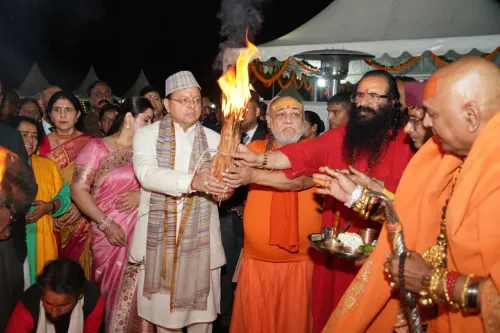
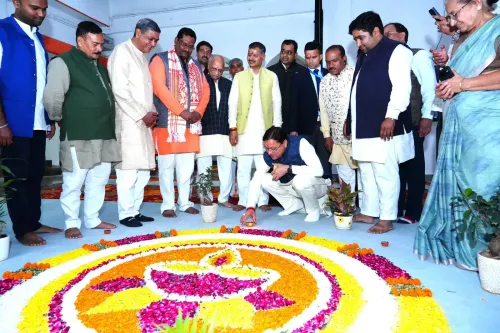
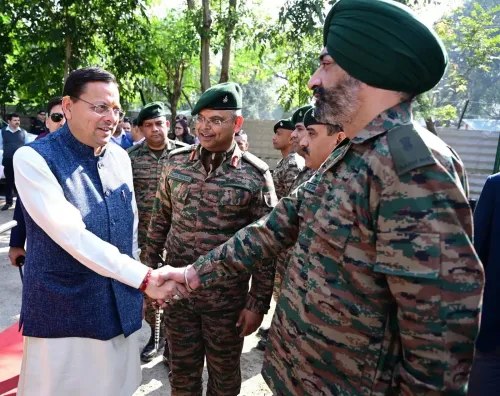
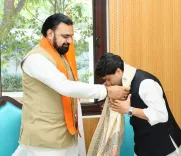
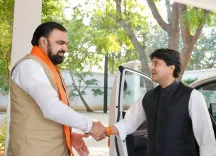
Carrying the warmth of an Uttarakhand winter festival to the heart of New Delhi, Uttarakhand Chief Minister Pushkar Singh Dhami visited the residence of BJP Lok Sabha MP Anil Baluni on Thursday, November 19, 2026, to personally extend Igas Bagwal greetings to him and his family.
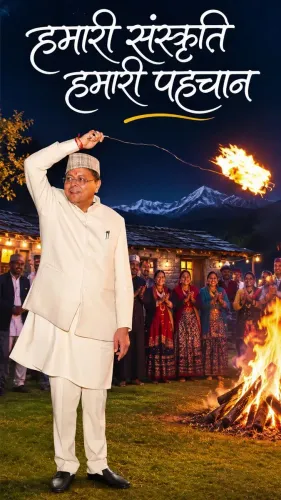
Dhami shared the visit on X, writing that he had an 'aatmiya bhet' — a heartfelt meeting — with all family members, and conveyed his wishes for the 'pavan parv' (sacred festival) of Igas Bagwal. He described the occasion as 'a symbol of our cultural heritage, social unity, and mutual love and harmony,' adding that it inspires people to stay rooted and carry folk traditions forward to coming generations.
What is Igas Bagwal and why it matters to Uttarakhand
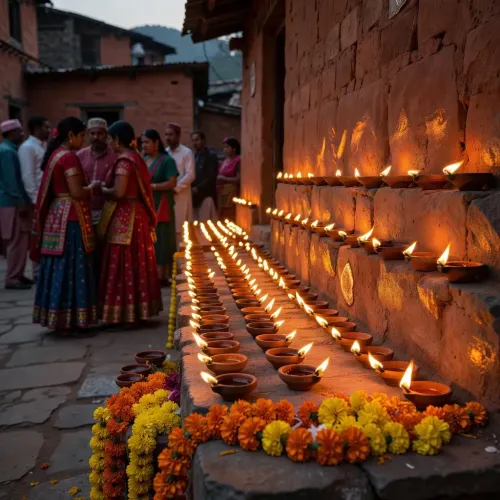
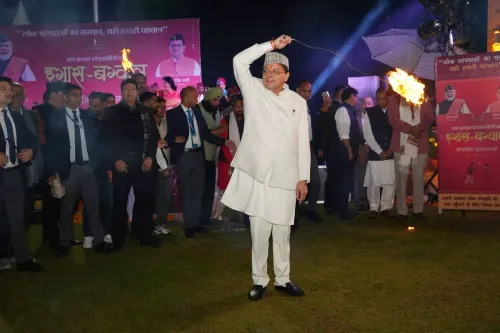
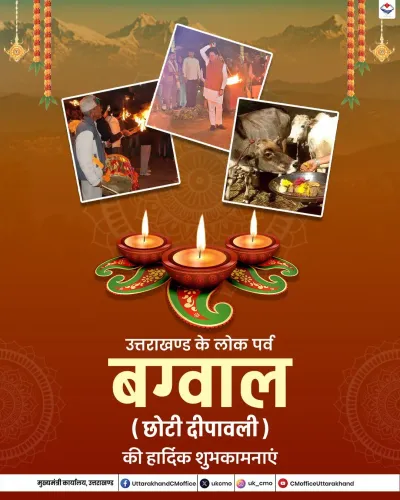
Igas Bagwal is a traditional festival observed primarily in the Kumaon region of Uttarakhand, marked by the lighting of lamps, community rituals, and the celebration of local folk customs. The festival occupies a distinct place in the Pahari cultural calendar, observed days after the main Diwali celebrations conclude elsewhere — giving hill communities their own moment of festive light.
For Uttarakhand's diaspora spread across Delhi and other metros, the festival carries a particular emotional charge: a thread back to mountain villages, shared courtyards, and ancestral rituals that urbanisation threatens to thin out.
Baluni's role and the BJP's hill-outreach tradition
Anil Baluni is a Lok Sabha MP from Uttarakhand and serves as the national coordinator of the BJP's transport department. His Delhi residence functions as a regular gathering point for Uttarakhand leaders based in the capital.
BJP leaders across hill states have made it a consistent practice to personally mark regional festivals — not just with social-media greetings but with in-person visits. It is a form of cultural politics that reinforces community bonds while signalling that the party's leadership remains rooted in local identity, even when governing from state capitals or the national capital.
Dhami's visit fits neatly into that pattern — but it also reflects a genuine cultural politics in a state where local festivals, folk traditions, and the fear of cultural erosion are live public conversations.
As long as hill traditions like Igas Bagwal remain living, practiced festivals rather than museum memories, the leaders who show up — literally at the door — will find the warmest rooms.
Point of View
Observed uniquely in Kumaon after the main Diwali season, has become a cultural marker that BJP leaders use to signal proximity to Uttarakhand's distinct folk heritage. The visit also reinforces personal ties with Baluni, a nationally-positioned party figure, ahead of what are always busy political seasons in hill states. Taken together, it is part of a consistent BJP playbook: cultural continuity as both governance philosophy and grassroots outreach.
NationPress
19 Nov 2026
Frequently Asked Questions
What is Igas Bagwal festival?
Igas Bagwal is a traditional festival celebrated in Uttarakhand's Kumaon region, observed after Diwali, marked by the lighting of lamps, community rituals, and local folk customs that reflect Pahari cultural heritage.
Why did CM Dhami visit Anil Baluni in Delhi?
Uttarakhand CM Pushkar Singh Dhami visited BJP MP Anil Baluni's New Delhi residence on November 19, 2026, to personally greet him and his family on the occasion of the Igas Bagwal festival.
In which region of Uttarakhand is Igas Bagwal celebrated?
Igas Bagwal is primarily observed in the Kumaon region of Uttarakhand, and holds a distinct place in the hill communities' cultural and festive calendar.
What did CM Dhami say about Igas Bagwal?
CM Dhami called Igas Bagwal 'a symbol of our cultural heritage, social unity, and mutual love and harmony,' and said the festival inspires people to stay rooted and preserve folk traditions for future generations.