Maharashtra Govt Activates Drought Relief Across 265 Talukas
Synopsis
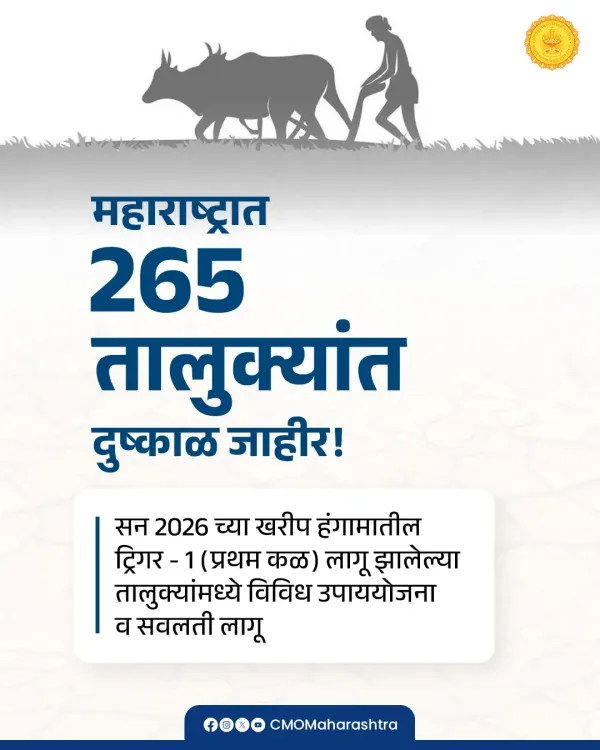
The Maharashtra government has activated Trigger-1 drought relief across 265 talukas hit by Kharif 2026 rainfall deficits, announcing 12 measures covering farmers, farm labourers, students, and livestock owners under Chief Minister Devendra Fadnavis.
Key Takeaways
The Maharashtra government has activated Trigger-1 (first-stage drought trigger) across 265 talukas due to rainfall deficits in the Kharif 2026 season.
12 relief measures and concessions have been announced, covering farmers, farm labourers, students, and livestock owners.
Trigger-1 is an early-intervention level under Maharashtra's tiered Drought Management Manual — it precedes a full drought declaration.
Chief Minister Devendra Fadnavis was tagged in the official announcement, signalling direct CM-level ownership of the decision.
Rain-fed regions like Marathwada and Vidarbha are historically the most vulnerable to monsoon deficits in Maharashtra.
If rainfall deficiency continues into the rabi season, the state may escalate to higher-level drought triggers.
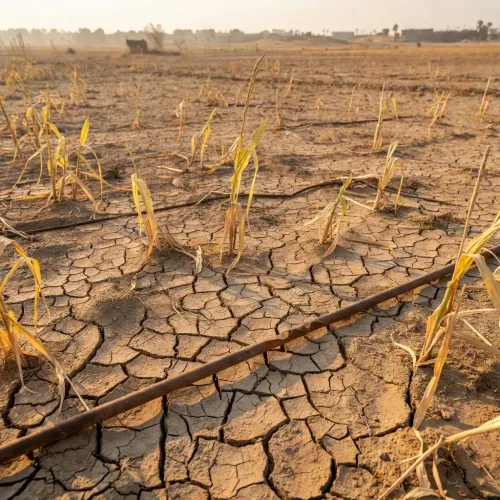
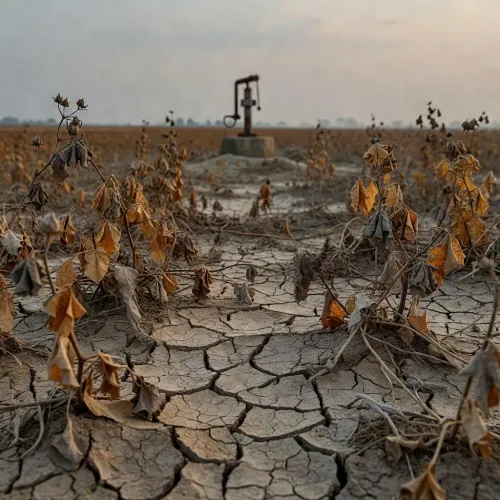
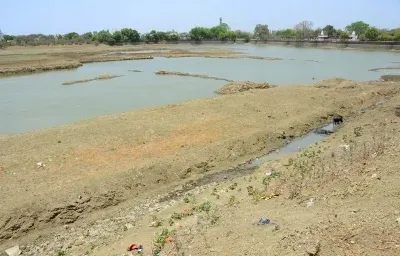
Across 265 talukas in Maharashtra, the monsoon has failed enough farmers this Kharif 2026 season that the state government has formally activated its first-stage drought trigger — setting in motion 12 relief measures for farmers, farm labourers, students, livestock owners, and ordinary citizens.
The Chief Minister's Office of Maharashtra announced on Saturday, 26 September 2026 that a deficit in rainfall and other compounding factors has created drought-like conditions across these talukas. The government's post stated: 'Trigger-1' — or 'pahili kal' (the first trigger) — has been activated, unlocking a package of concessions and interventions designed to cushion the blow for the state's most vulnerable rural communities.
What 'Trigger-1' means on the ground
Maharashtra operates a tiered drought-management system under its Drought Management Manual, where triggers are activated in sequence as conditions worsen. Trigger-1 is the earliest intervention level — it does not yet constitute a full drought declaration but signals that rainfall deficiency has crossed a threshold requiring immediate state action. The activation unlocks a defined menu of relief: input subsidies, fee concessions for students from affected areas, loan-repayment relief, fodder support for livestock, and related concessions, among others.
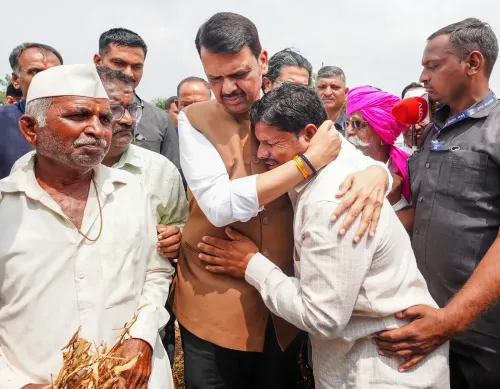
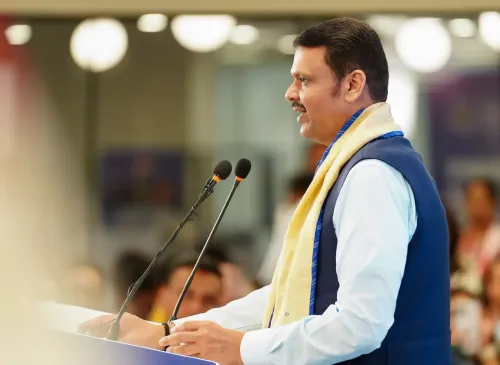
The tagging of Chief Minister Devendra Fadnavis in the post underscores that this decision carries the weight of the CM's office directly. Fadnavis, a senior BJP leader who previously served as Chief Minister from 2014 to 2019 before returning to the role, has made farmer welfare a signature governance pitch in Maharashtra.
Marathwada, Vidarbha, and a recurring crisis
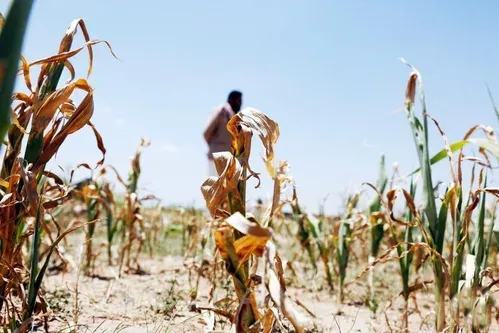
Maharashtra's rain-fed interior — particularly Marathwada and Vidarbha — has lived with the rhythm of monsoon anxiety for decades. These regions depend almost entirely on the southwest monsoon for their kharif (summer-sown) crops: cotton, soybean, pulses, and jowar. A deficient or erratic monsoon does not just shrink harvests; it cascades into rural debt, livestock stress, and school dropouts as family incomes collapse.
The state's tiered trigger system exists precisely to interrupt that cascade early. By the time a region reaches the higher trigger levels or a formal drought declaration, months of distress have already accumulated. Trigger-1 is the state's early-warning valve — imperfect, but faster than waiting for a full assessment.
Who gets relief, and what happens next
The four groups explicitly named for relief — farmers, students, farm labourers, and livestock owners — reflect the full chain of rural dependence on a good monsoon. Student fee concessions acknowledge that when farm income dips, the first casualty is often a child's education. Livestock relief prevents distress sale of animals, which can take years to recover from.
The critical question now is whether Trigger-1 holds or whether continued rainfall deficiency forces the state to escalate to higher-level triggers as the season progresses into the rabi (winter) sowing window. The pace and reach of the announced measures will determine whether they arrive in time to matter.
Point of View
Whose BJP-led government is acutely conscious of farmer distress as an electoral fault line, speed and visible reach of relief implementation matter as much as the announcement itself. The tiered trigger system is a genuine administrative innovation, but its credibility rests entirely on whether downstream relief — fee waivers, input subsidies, fodder — actually reaches villages before distress deepens. If the monsoon shortfall extends into the rabi window, the government will face pressure to escalate its response, and the 12 measures announced today will be scrutinised against actual outcomes on the ground.
NationPress
26 Sept 2026
Frequently Asked Questions
What is Trigger-1 or 'pahili kal' in Maharashtra's drought system?
Trigger-1 is the first activation level in Maharashtra's tiered Drought Management Manual. It is triggered when rainfall deficiency and other indicators cross a defined threshold, allowing the state to release early-stage relief measures without waiting for a full drought declaration.
Which 265 talukas in Maharashtra have been declared drought-hit in 2026?
The Maharashtra government has announced that 265 talukas have been identified as facing drought-like conditions due to rainfall deficit in the Kharif 2026 season. The specific list of talukas is expected to be detailed in the official government order.
What relief will farmers and students get under the Maharashtra drought package?
The government has announced 12 measures and concessions, which under Maharashtra's established drought relief framework typically include input subsidies for farmers, loan-repayment relief, student fee concessions for those from affected areas, and fodder support for livestock.
Which regions of Maharashtra are most affected by the 2026 monsoon deficit?
Maharashtra's rain-fed interior regions — particularly Marathwada and Vidarbha — are historically the most vulnerable to monsoon deficits and are typically at the centre of drought activations in the state.
Can the drought trigger be escalated if conditions worsen in Maharashtra?
Yes. Maharashtra's system has multiple trigger levels. If rainfall deficiency continues into the rabi season or conditions worsen, the state can escalate to higher-level triggers, which unlock more extensive relief and can lead to a formal drought declaration.