Maharashtra drought: Fadnavis waives technical norms to cover 265 talukas
Synopsis
Maharashtra's drought relief system hit a blind spot this Kharif season — automated triggers missed farmers whose crops failed after an unusual rain-then-dry-spell pattern. CM Fadnavis has now ordered physical ground assessments and waived the technical criteria entirely, extending a 12-point package to 265 talukas and upfront exam-fee waivers for SSC and HSC students in affected zones.
Key Takeaways
Maharashtra Cabinet on Tuesday waived automated 'Trigger 1' drought criteria, ordering physical crop assessments to include all visibly affected farmers.
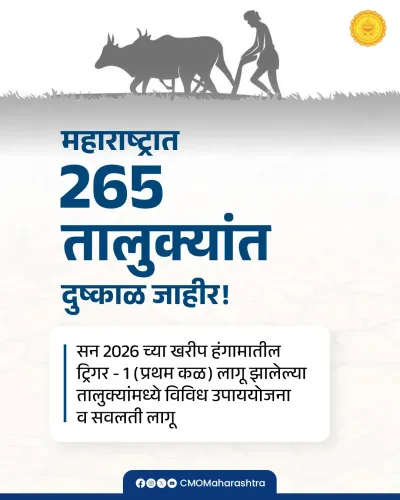
Drought has been officially declared in 265 of the state's 358 talukas following deficient 2026 Kharif season rainfall.
A 12-point relief package covers land revenue waivers, agricultural loan restructuring, electricity bill exemptions, water tanker deployment, and fodder supply for cattle.
Class 10 (SSC) and Class 12 (HSC) exam fees waived upfront for students in drought-hit talukas, replacing the earlier reimbursement model.
A dedicated drought mitigation sub-committee will meet regularly; district-level guidelines and financial aid details expected within days.
District Collectors directed to collect geotagged, GPS-stamped photos of damaged farmland and submit reports to the Agriculture Commissioner .
The Maharashtra State Cabinet, chaired by Chief Minister Devendra Fadnavis, on Tuesday resolved that technical shortfalls in automated drought-trigger criteria will no longer bar affected farmers from receiving full government relief — a decision that could extend assistance to thousands of cultivators previously excluded from the state's official drought declaration covering 265 talukas.
Why Farmers Were Left Out
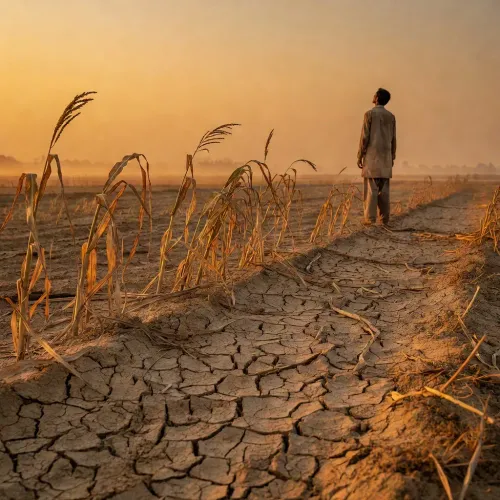
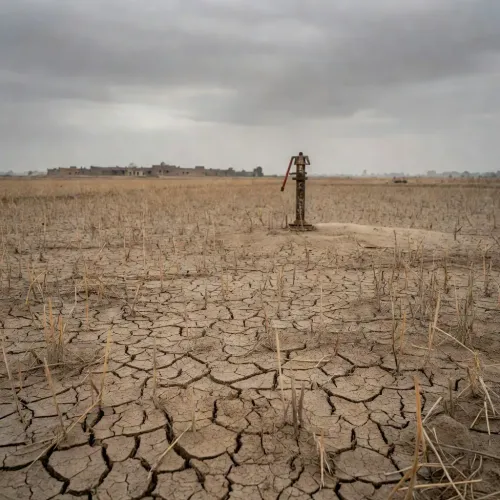
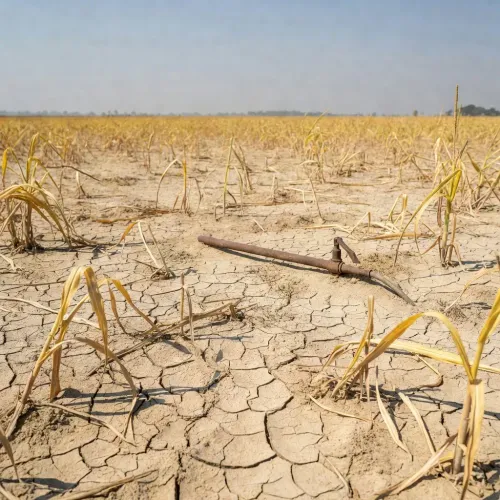
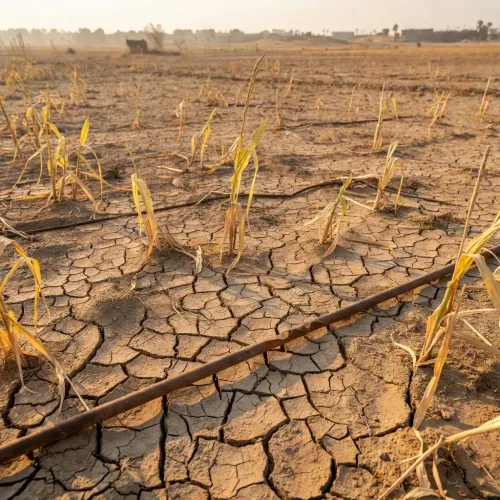
The exclusions stemmed from an unusual monsoon pattern this 2026 Kharif season: heavy rainfall in the first two months gave way to a near-total dry spell, meaning standard 'Trigger 1' parameters under the Drought Management Code 2016 were not met in several areas even where crops visibly withered. Automated systems, calibrated for more conventional rainfall curves, failed to flag the damage — leaving a significant pocket of distressed farmers outside the relief net.
What the Cabinet Has Decided
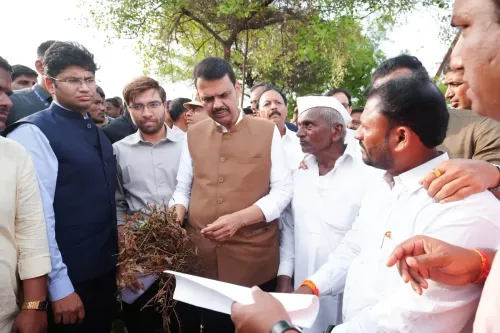
Addressing reporters after the Cabinet meeting, Chief Minister Fadnavis announced that physical, on-ground crop damage assessments will now be conducted in all talukas where crops have failed but automated triggers were not activated. District Collectors have been directed to collect geotagged photographs with GPS coordinates of damaged farmlands and submit comprehensive crop assessment reports to the government through the Agriculture Commissioner.
For districts excluded from the initial drought-hit list, officials have been instructed to apply alternate parameters and submit fresh relief proposals. A dedicated drought mitigation sub-committee will meet regularly, with ministers directed to submit local proposals and feedback without delay.
The 12-Point Relief Package
The state government has extended a 12-point relief and concessions package to the 265 designated talukas. Key measures include:
Full waiver of land revenue for affected farmers; restructuring of existing agricultural loans and an immediate stay on recovery of all agriculture-related bank loans; exemption or concessions on electricity bills for agricultural pump sets above 7.5 HP capacity (connections up to 7.5 HP are already waived); strict orders against disconnection of agricultural pump power supplies in declared scarcity villages; and deployment of water tankers wherever drinking water shortages arise.
Additionally, the government has committed to targeted food-grain distribution to prevent shortages for farmers and daily-wage agricultural workers, measures to ensure adequate fodder supply for cattle, and immediate rollout of water conservation works in affected belts.
A transparent Government Resolution (GR) will also be issued prioritising water usage, explicitly factoring in livestock water needs alongside drinking water before allocating supplies for other purposes. District Planning and Development Committees (DPDC) have been mandated to allocate maximum resources towards drought mitigation work.
Relief for Students in Affected Zones
In a direct measure for families in drought-hit regions, Class 10 (SSC) and Class 12 (HSC) students will have their examination fees completely waived upfront — replacing the earlier mechanism of fee collection followed by reimbursement, which critics noted caused unnecessary financial strain on families already under stress.
Background and What Comes Next
The Cabinet decisions follow a Government Resolution issued by the Relief and Rehabilitation Department on the preceding Saturday, officially declaring drought conditions across 265 of the state's 358 talukas following deficient monsoon rainfall. The declaration was backed by the implementation of Trigger-1 guidelines and a report submitted by the Commissioner of Agriculture.
Specific guidelines detailing the distribution of financial aid for newly included regions are expected to be released in the coming days, according to the Chief Minister. Guardian Ministers have been advised to take creative, localised action to accelerate relief on the ground. With the sub-committee set to meet regularly and fresh field assessments underway, the pace of disbursal in the weeks ahead will determine how effectively the state closes the gap left by its own automated systems.
Point of View
Biphasic monsoon patterns — a climate reality that is becoming less exceptional each year. Ordering physical assessments is the right corrective, but it shifts enormous discretion to District Collectors whose capacity and impartiality will vary. The 12-point package is comprehensive on paper, but past Maharashtra drought cycles have seen loan restructuring announcements outpace actual bank compliance by months. The real measure of this Cabinet decision will be how quickly the newly included talukas see money — not GRs — reach farmers before the next sowing window.
NationPress
29 Sept 2026
Frequently Asked Questions
Why were some Maharashtra farmers excluded from drought relief initially?
An unusual monsoon pattern — heavy rain in the first two months followed by a complete dry spell — meant that standard 'Trigger 1' automated parameters under the Drought Management Code 2016 were not met in several areas, even where crops had visibly failed. The automated system was not calibrated for this biphasic weather cycle, leaving affected farmers outside the official relief net.
What has the Maharashtra Cabinet decided to fix this?
The Cabinet, chaired by Chief Minister Devendra Fadnavis, has resolved that technical criteria will not block relief, ordering physical on-ground crop damage assessments in all talukas where crops failed but automated triggers were not activated. District Collectors must submit geotagged, GPS-stamped field reports to the Agriculture Commissioner.
What does the 12-point drought relief package include?
The package covers full waiver of land revenue, restructuring of agricultural loans, an immediate stay on loan recovery, electricity bill exemptions for pump sets above 7.5 HP, deployment of water tankers, targeted food-grain distribution, fodder supply for cattle, and water conservation works. Exam fees for SSC and Class 12 students in affected talukas are also waived upfront.
How many talukas are covered under Maharashtra's drought declaration?
The state has officially declared drought conditions in 265 of its 358 talukas following deficient monsoon rainfall during the 2026 Kharif season. The Cabinet's latest decision is aimed at extending relief to additional talukas that were excluded due to the automated trigger shortfall.
When will affected farmers receive financial aid under the new guidelines?
Chief Minister Fadnavis has indicated that specific guidelines detailing financial aid distribution for newly included regions will be released in the coming days. A dedicated drought mitigation sub-committee will meet regularly to monitor progress, and Guardian Ministers have been directed to accelerate local implementation without delay.