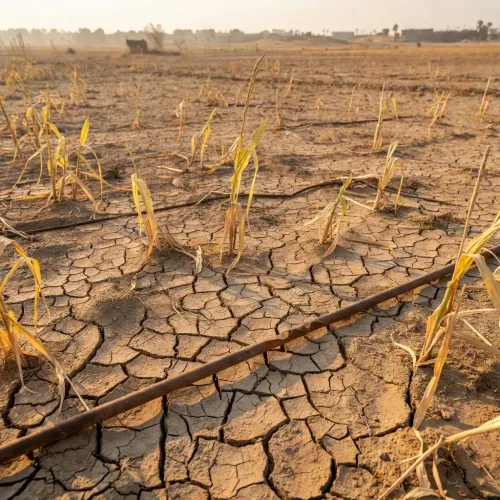
Maharashtra bars loan recovery visits to farmers amid drought crisis

Synopsis
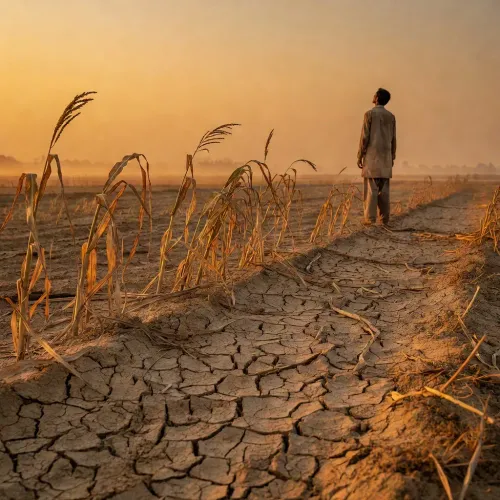
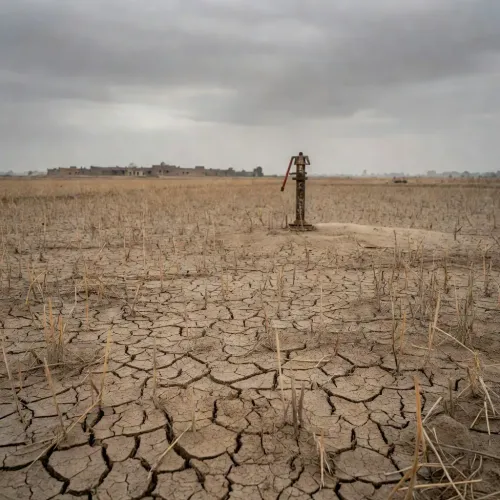
Maharashtra has banned banks and cooperatives from visiting farmers for loan recovery during the drought and is pushing the RBI for a formal moratorium — while 265 talukas have already hit scarcity thresholds. With 560 water tankers deployed and a 10-month supply buffer being built, the state is signalling this is far more than a seasonal dry spell.
Key Takeaways
Revenue Minister Chandrashekhar Bawankule on 29 September 2026 banned banks and financial cooperatives from visiting farmers' homes for loan recovery during the drought.
Chief Secretary Rajesh Agarwal has been directed to write to the RBI seeking a formal circular staying all agricultural loan recoveries.
265 talukas have met 'Trigger-1' scarcity criteria; GRs are being fast-tracked for 43 'Trigger-2' talukas .
Urban areas face a mandatory 10 per cent water cut ; 560 water tankers are deployed, with focus on Dharashiv .
A strict ban on exporting fodder out of Maharashtra has been ordered; decentralised 'Fodder Depots' will replace traditional cattle camps.
Final ground-reality report due by 25 October ; administration placed on high alert for the next 10 months .
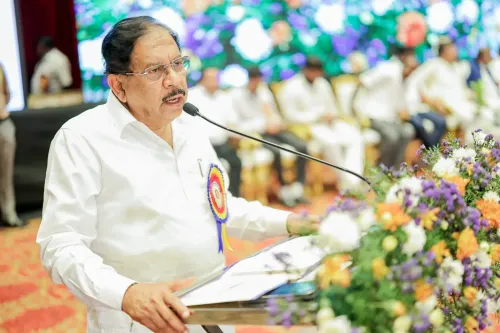
Maharashtra Revenue Minister and Drought Relief Sub-Committee Chairman Chandrashekhar Bawankule on Tuesday, 29 September 2026, issued a blanket directive prohibiting bank and financial cooperative staff from visiting farmers' homes for loan recovery during the ongoing drought crisis. The order, announced at a high-level Cabinet Sub-Committee review in Mumbai, also directs ground-level officials to remain stationed in their designated areas to support the farming community.
Key Directives Issued
Minister Bawankule instructed Chief Secretary Rajesh Agarwal to write to the Reserve Bank of India (RBI) seeking a formal circular staying all agricultural loan recoveries for the duration of the crisis. District Collectors and police officials have been directed to enforce the ban strictly on the ground. Bawankule said Chief Minister Devendra Fadnavis has made drought mitigation the state's highest priority, and that key field functionaries — including Talathis, Gram Sevaks, and Agriculture Officers — must camp in their designated areas.
Scale of the Drought Crisis
Relief and Rehabilitation Additional Chief Secretary Vinita Ved Singhal informed the meeting that 265 talukas have met the 'Trigger-1' scarcity criteria. Government Resolutions (GRs) are being expedited for 43 'Trigger-2' talukas without waiting for procedural delays. While sowing stands at 96 per cent, ground conditions remain alarming, according to officials. A final ground-reality report is scheduled for submission by 25 October.
Water, Fodder and Relief Measures
The Cabinet Sub-Committee ordered water distribution to prioritise drinking water first, followed by fodder crops, Rabi crops, and sugarcane — which will receive the lowest priority. Urban areas will face a mandatory 10 per cent water cut to build an emergency buffer for June. Currently, 560 water tankers have been deployed across affected districts, with a special focus on critical regions such as Dharashiv. The administration has been placed on high alert to secure drinking water and fodder supplies for the next 10 months.
Environment Minister Pankaja Munde recommended temporarily pausing personal and commercial construction approvals in severely affected regions. Water Resources Minister Girish Mahajan ordered power disconnections for illegal water lifting around lakes. Rather than traditional cattle camps, the state will establish decentralised 'Fodder Depots'. Relief and Rehabilitation Minister Makarand Patil ordered a strict ban on moving fodder out of Maharashtra. A high-level three-secretary committee will formulate a comprehensive state fodder policy based on national best practices.
Preventing Migration and Ensuring Oversight
Social Justice Minister Sanjay Shirsat emphasised strict oversight of crop-damage surveys (panchnamas). To prevent the large-scale migration of landless farm labourers, District Collectors have been instructed to aggressively pool Corporate Social Responsibility (CSR) funds to generate local employment opportunities. The high-level meeting was attended by ministers including Jaykumar Gore (Rural Development), Pratap Sarnaik (Transport), Babasaheb Patil (Cooperation), Girish Mahajan (Water Resources), Pankaja Munde (Environment and Climate Change), Sanjay Shirsat (Social Justice), and Makarand Patil (Relief and Rehabilitation), along with senior administrative officers.
With the final taluka assessment due by 25 October, the state's next steps on relief scaling and RBI's response to the loan moratorium request will be closely watched by farming communities across drought-hit Maharashtra.
Point of View
But its durability depends entirely on whether the RBI issues the formal circular — without which bankers face competing regulatory obligations. More structurally, the activation of 265 Trigger-1 talukas and the rush to clear 43 Trigger-2 GRs suggests the official drought declaration has been running behind ground reality. The 10-month supply alert is an unusually long horizon, quietly signalling that authorities expect the stress to extend well past the Rabi season — a detail that deserves more attention than the loan-recovery headline.
NationPress
29 Sept 2026
Frequently Asked Questions
What has the Maharashtra government ordered regarding farm loan recovery?
The Maharashtra government has banned bank and financial cooperative staff from visiting farmers' homes for loan recovery during the ongoing drought crisis. Revenue Minister Chandrashekhar Bawankule has also directed the Chief Secretary to write to the RBI seeking a formal circular to stay all agricultural loan recoveries.
How many talukas in Maharashtra have been declared drought-affected?
As of 29 September 2026, 265 talukas have met the 'Trigger-1' scarcity criteria. Additionally, Government Resolutions are being fast-tracked for 43 'Trigger-2' talukas without waiting for procedural clearances.
What water and fodder relief measures has the Maharashtra government announced?
The state has deployed 560 water tankers across affected districts, mandated a 10 per cent water cut in urban areas, and ordered drinking water to be prioritised over crop irrigation. Decentralised 'Fodder Depots' will replace traditional cattle camps, and a ban on moving fodder out of Maharashtra has been imposed.
Why is the Maharashtra government trying to prevent farm labourers from migrating?
Drought conditions risk triggering large-scale migration of landless farm labourers away from affected areas. District Collectors have been instructed to pool Corporate Social Responsibility (CSR) funds aggressively to create local employment and reduce the incentive to migrate.
When will the final drought assessment report be submitted?
The final ground-reality report on drought conditions across Maharashtra talukas is scheduled for submission by 25 October 2026. The administration has been placed on high alert to secure drinking water and fodder supplies for the next 10 months.