Maharashtra drought: Cabinet sub-committee formed to fast-track relief
Synopsis
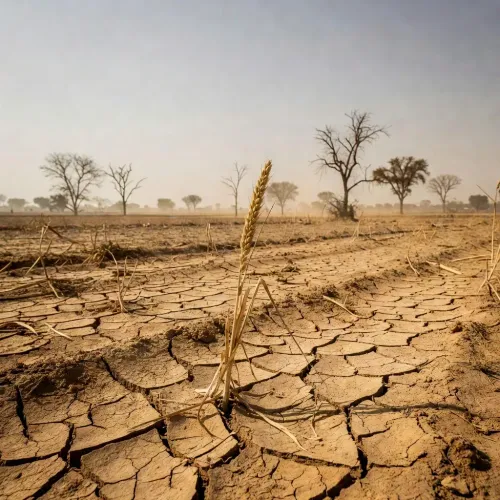
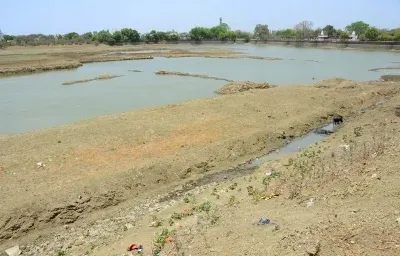
Maharashtra hasn't just declared concern — it has activated a nine-minister Cabinet Sub-Committee with full executive authority to fight an emerging drought before it turns into a full-scale agrarian crisis. With CM Fadnavis touring drought-hit districts and the panel empowered to recommend emergency protocols directly to Cabinet, the government is betting on speed over process — a structural shift from past drought responses.
Key Takeaways
Maharashtra constituted a 9-minister Cabinet Sub-Committee on Thursday, 25 September 2026 to address drought-like conditions.
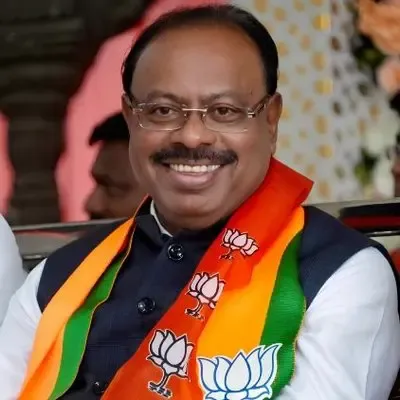
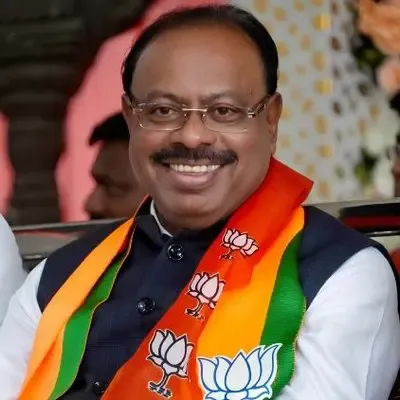
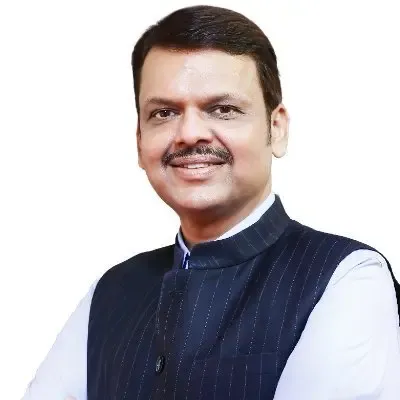
The panel is chaired by Revenue Minister Chandrashekhar Bawankule and formed on directions from Chief Minister Devendra Fadnavis .
The committee holds full executive authority to monitor drought, water scarcity, and fodder shortages, and can recommend emergency protocols directly to the State Cabinet .
District-by-district inspections , weekly review meetings, and direct reporting to the Chief Minister are mandated under the Government Resolution.
Fodder banks , tanker deployments, and crop damage compensation are among the immediate relief measures on the panel's agenda.
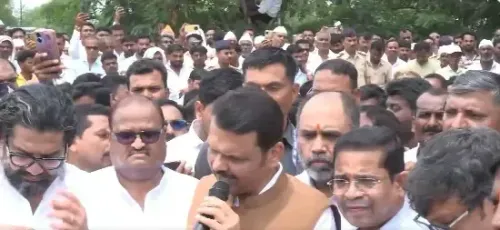
CM Fadnavis visited Marathwada , Solapur , and Washim ; Deputy CM Eknath Shinde met farmers in Akola and Buldhana , both pledging that funds will not be a constraint.
The Maharashtra government has constituted a high-powered Cabinet Sub-Committee to address emerging drought-like conditions across the state and deliver immediate relief to affected farming communities. Chaired by Revenue Minister Chandrashekhar Bawankule, the nine-minister panel was formed on the directions of Chief Minister Devendra Fadnavis and formally notified by the Disaster Management, Relief and Rehabilitation Department through a Government Resolution (GR) on Thursday, 25 September 2026.
Sub-Committee Composition and Mandate
The panel brings together ministers from across critical portfolios: Girish Mahajan (Water Resources and Disaster Management), Gulabrao Patil (Water Supply and Sanitation), Sanjay Rathod (Soil and Water Conservation), Pankaja Munde (Animal Husbandry, Environment and Climate Change), Dattatray Bharne (Agriculture), Jaykumar Gore (Rural Development), Pratap Sarnaik (Transport), Makarand Patil (Relief and Rehabilitation), and Babasaheb Patil (Co-operation). Chief Secretary Rajesh Agarwal will serve as member secretary.
The sub-committee has been granted full executive authority to continuously monitor drought scenarios, water scarcity, and fodder shortages — enabling real-time policy decisions without procedural delays. The Department of Relief and Rehabilitation will act as the primary coordinating body for all committee operations.
Key Responsibilities on the Ground
According to the GR, panel members will conduct district-by-district inspections to evaluate crop stress and water availability in real time. The committee is mandated to hold weekly review meetings and submit comprehensive status reports directly to the Chief Minister and both Deputy Chief Ministers.
On the water crisis front, the panel will design district-specific drinking water rationing and supply strategies, including tanker deployments wherever necessary, based on available regional reserves. For livestock, it will establish local fodder banks and relief camps, drawing on cattle census data to prevent starvation. The sub-committee is also empowered to recommend immediate emergency protocols directly to the State Cabinet.
On farmer relief, the committee will streamline crop damage assessments to recommend swift financial aid and compensation packages for those worst affected by the agrarian crisis.
What the Government Said
Minister Bawankule said the proactive setup aims to 'accelerate administrative response times and ensure ground-level relief reaches vulnerable agrarian communities before severe scarcity sets in.' The sub-committee's formation follows a state cabinet decision taken at its weekly meeting on Tuesday, when ministers approved the panel's creation to suggest concrete measures against drought-like conditions triggered by scanty rainfall.
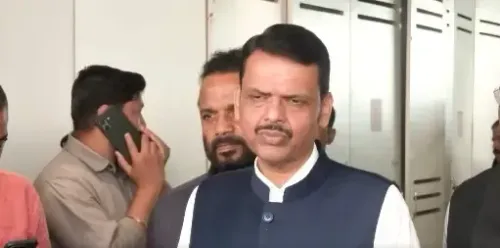
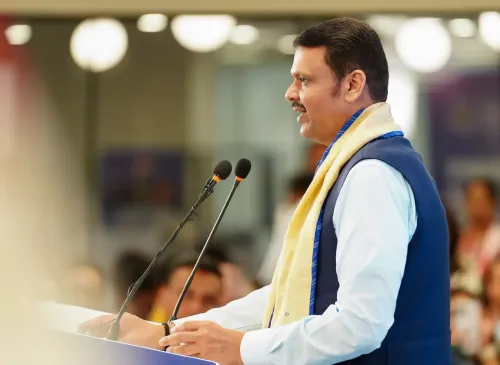
Chief Minister Fadnavis visited Marathwada, Solapur, and Washim districts on Wednesday and Thursday to assess the situation on the ground. Deputy Chief Minister Eknath Shinde separately met farmers in Akola and Buldhana districts, assuring them that funds will not be a constraint in rolling out relief measures.
Why This Matters for Maharashtra Farmers
Maharashtra, home to a large share of India's sugarcane, soybean, and cotton belt, is acutely vulnerable to deficient monsoons — particularly in the Marathwada and Vidarbha regions, which have faced recurring drought cycles over the past decade. This is not the first time the state has had to activate emergency agrarian protocols: similar panels were formed during the droughts of 2015–16 and 2018–19, though critics have previously flagged delays between panel formation and actual farmer disbursements. Notably, this sub-committee's empowerment to recommend emergency protocols directly to Cabinet is a structural change aimed at cutting that lag.
With the kharif season at a critical juncture and water reservoirs in several districts running below seasonal averages, the pace at which the panel translates its mandate into on-ground relief will be closely watched by farm groups and opposition parties alike.
Point of View
And each successive government has framed its response as more agile than the last. The real accountability test will come in the next four to six weeks, when the kharif damage assessment window closes and compensation demands crystallise.
NationPress
24 Sept 2026
Frequently Asked Questions
Why has Maharashtra formed a Cabinet Sub-Committee for drought?
The Maharashtra government formed the sub-committee to respond to emerging drought-like conditions caused by scanty rainfall, which has stressed crops, water reserves, and livestock feed across multiple districts. The panel is designed to accelerate relief decisions without routine administrative delays.
Who chairs the Maharashtra drought sub-committee?
Revenue Minister Chandrashekhar Bawankule chairs the sub-committee. It also includes eight other cabinet ministers and Chief Secretary Rajesh Agarwal as member secretary.
What powers does the sub-committee have?
The sub-committee holds full executive authority to monitor drought, water scarcity, and fodder shortages, and is empowered to recommend immediate emergency protocols directly to the State Cabinet — bypassing the usual multi-tier approval process.
Which districts in Maharashtra are most affected by drought conditions?
Chief Minister Devendra Fadnavis visited Marathwada, Solapur, and Washim districts, while Deputy Chief Minister Eknath Shinde met farmers in Akola and Buldhana, indicating these are among the most stressed regions. Marathwada and Vidarbha have historically been the most drought-prone zones.
What specific relief measures will the committee implement?
The panel will conduct district-by-district crop and water stress inspections, deploy water tankers, establish local fodder banks and cattle relief camps, and fast-track crop damage assessments to recommend financial compensation for affected farmers. Weekly status reports will go directly to the Chief Minister and both Deputy Chief Ministers.