NEET paper leak: Sanjay Raut credits CJI Surya Kant for reviving protests
Synopsis
Shiv Sena (UBT)'s Sanjay Raut publicly credited Chief Justice Surya Kant — not the opposition — for reigniting the NEET paper leak protests, a striking move that frames the judiciary as the catalyst for a 'national movement.' The BJP fired back, calling it staged drama. With the Supreme Court actively hearing NEET petitions and Parliament in session, the controversy is far from over.
Key Takeaways
Sanjay Raut credited Chief Justice of India Justice Surya Kant on 20 July for reviving mass protests over the NEET paper leak .
Raut posted his remarks on social media platform X , calling the CJI 'just one person' responsible for the national movement's momentum.
Thousands gathered for a 'Parliament March' in New Delhi despite police restrictions.
Raut demanded the resignation of Union Education Minister Dharmendra Pradhan and accused the government of suppressing democratic protest.
BJP minister Chandrashekhar Bawankule called the protests 'staged political drama' aimed at defaming PM Modi and CM Devendra Fadnavis .
The Supreme Court is actively hearing petitions on NEET-UG 2024 irregularities, with student demands for re-examination still unresolved.
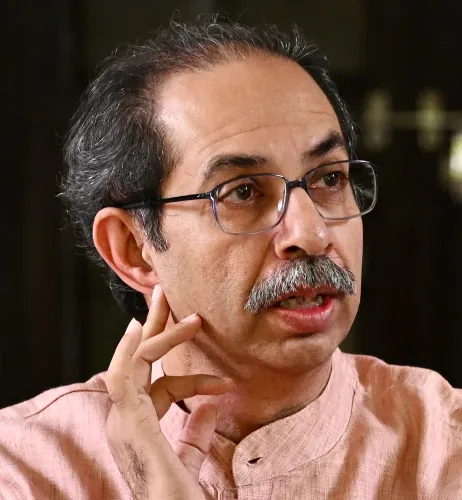
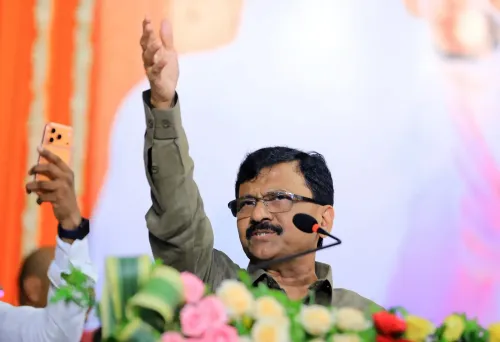
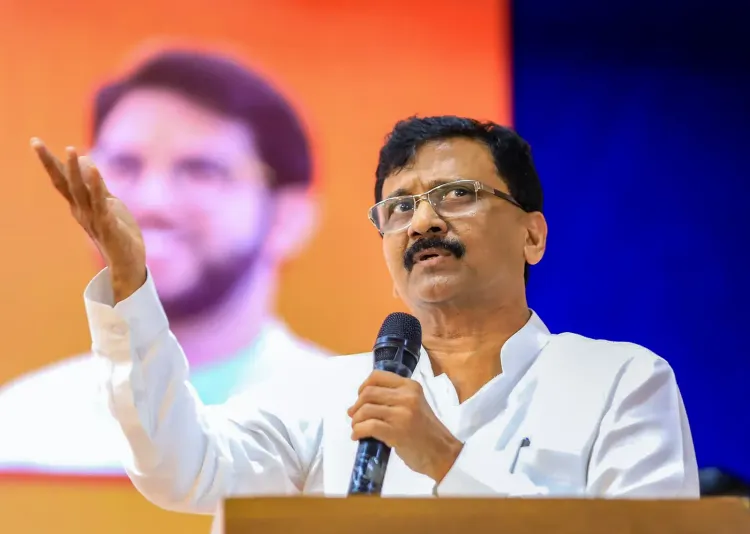
Shiv Sena (UBT) leader and Rajya Sabha MP Sanjay Raut sparked sharp political debate on 20 July after crediting Chief Justice of India Justice Surya Kant for reigniting mass protests over the NEET paper leak controversy. In a post on social media platform X, Raut declared that the credit for the 'national movement' belongs to 'just one person, Hon'ble Surya Kant Ji,' thanking the Chief Justice for breathing fresh life into the country's social and political agitation.
Raut's Remarks and the Parliament March
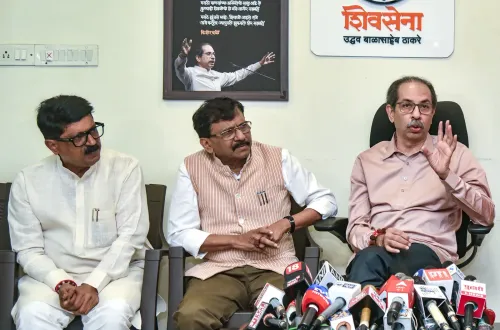
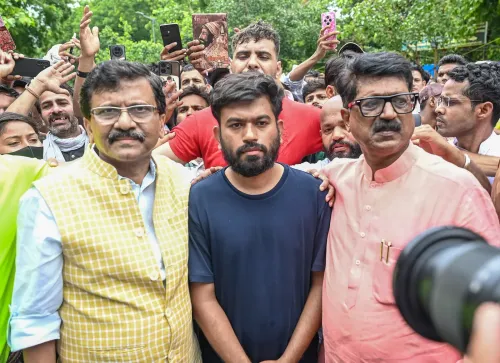
Raut's statement coincided with a large-scale 'Parliament March' in New Delhi, where thousands of protesters gathered despite police restrictions. His attribution of the protest's momentum to the judiciary drew immediate reactions across political lines, deepening the nationwide debate over the NEET examination paper leak and its handling by the Centre.
Addressing the youth assembled at Jantar Mantar, Raut also took aim at the government over climate activist Sonam Wangchuk's ongoing hunger strike, accusing the administration of being 'scared of the youth' and suppressing democratic dissent through force. He alleged that the government had initially dismissed prominent voices like Wangchuk and activist Abhijit Dipke as minor distractions — figures he said had proven far more resilient than authorities anticipated.
Raut's Demands: Resign, Engage, Don't Suppress
Raut criticised the government's refusal to grant permission for peaceful rallies, arguing that a genuinely democratic leadership would engage with protesters rather than ban marches or, as he alleged, forcibly hospitalise activists like Sonam Wangchuk under police pressure. He called on the government to directly address the grievances of the youth and demanded the resignation of Union Education Minister Dharmendra Pradhan as a first step toward accountability.
This comes amid mounting pressure on the National Testing Agency (NTA) and the Union Education Ministry over alleged irregularities in the NEET-UG 2024 examination, which has triggered legal challenges and parliamentary scrutiny.
BJP Hits Back: 'Staged Political Drama'
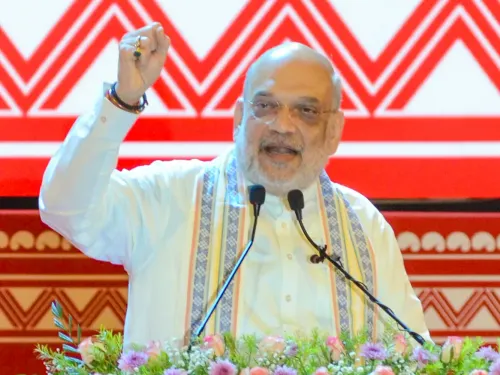
Bharatiya Janata Party (BJP) minister Chandrashekhar Bawankule launched a counter-offensive, alleging that the protest — including what he termed the 'cockroach' demonstration — was a staged political spectacle designed to defame Prime Minister Narendra Modi and Maharashtra Chief Minister Devendra Fadnavis. Bawankule questioned whether he or Education Minister Dharmendra Pradhan had personally leaked the exam paper, and argued that demands for the minister's resignation were purely politically motivated rather than driven by genuine concern for students.
He acknowledged that some students had joined the protests out of frustration, but maintained that constructive reform suggestions were welcome while rejecting calls for the minister's ouster as partisan.
What's Next
The Supreme Court is currently hearing multiple petitions related to the NEET-UG 2024 paper leak, and the judiciary's active engagement has emboldened opposition groups to keep the pressure on. With the Parliament session under way, the controversy is expected to remain a flashpoint between the ruling coalition and the opposition, with students' demands for a re-examination and systemic reform of the testing process still unresolved.
Point of View
Which is both constitutionally awkward and strategically shrewd. The BJP's 'staged drama' rebuttal sidesteps the core question: why has a paper leak of this scale not yet produced a single credible accountability outcome? With the Supreme Court hearing active petitions and Parliament in session, the government faces a rare convergence of judicial scrutiny and street pressure. The longer the resignation demand stays unanswered, the more it defines the opposition's narrative heading into the next electoral cycle.
NationPress
20 Oct 2026
Frequently Asked Questions
Why did Sanjay Raut credit CJI Surya Kant for the NEET protests?
Raut, in an X post on 20 July, said the Chief Justice deserves credit for giving fresh momentum to public agitation over the NEET paper leak. He argued the judiciary's engagement had reignited a 'national movement' that the government had attempted to suppress.
What is the NEET paper leak controversy?
The NEET-UG 2024 paper leak controversy involves allegations of widespread irregularities in India's national medical entrance examination, administered by the National Testing Agency. Multiple petitions are before the Supreme Court, and students have demanded a re-examination and systemic reform.
What did Sanjay Raut demand from the government?
Raut demanded the resignation of Union Education Minister Dharmendra Pradhan, called for the government to engage directly with protesting students, and criticised the administration for denying permission for peaceful rallies and allegedly hospitalising activist Sonam Wangchuk under police pressure.
How did the BJP respond to the NEET protests?
BJP minister Chandrashekhar Bawankule dismissed the protests as 'staged political drama' aimed at defaming PM Modi and Maharashtra CM Devendra Fadnavis. He rejected demands for the Education Minister's resignation as politically motivated and questioned who among the leadership had actually leaked the paper.
What happens next in the NEET paper leak case?
The Supreme Court continues to hear multiple petitions on NEET-UG 2024 irregularities. With Parliament in session, the issue is expected to remain a major flashpoint, and student demands for a re-examination and accountability from the NTA and Education Ministry remain unresolved.