Supreme Court to form panel to probe July 20 police excesses on students
Synopsis
The Supreme Court has moved beyond hearing petitions to taking direct institutional control — forming a high-powered fact-finding committee, threatening to quash FIRs under Article 142, and flagging sexual harassment of female protesters. This is a rare, sweeping judicial intervention that signals the bench views the state's response to the July 20 march as constitutionally suspect.
Key Takeaways
The Supreme Court on 18 August announced a high-powered fact-finding committee to probe police excesses during the 20 July student march from Jantar Mantar to Parliament.
The panel will review CCTV footage and may include former judges, retired DGPs , or ex- CBI directors.
The bench, led by Chief Justice Surya Kant , flagged allegations of sexual assault and online harassment of female protesters as requiring urgent attention.
The court indicated it may invoke Article 142 to quash FIRs against students with no criminal antecedents.
State governments have been directed to submit lists of FIRs naming only protesting students without prior criminal records.
Larger constitutional questions on facial recognition , surveillance , and privacy will be decided by the Supreme Court itself, not the committee.
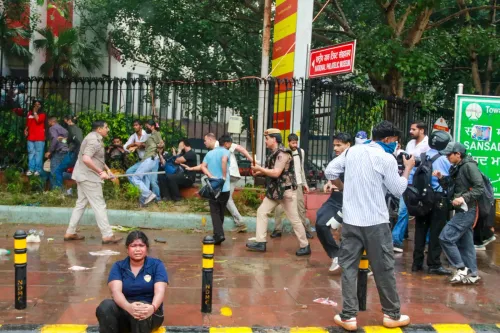
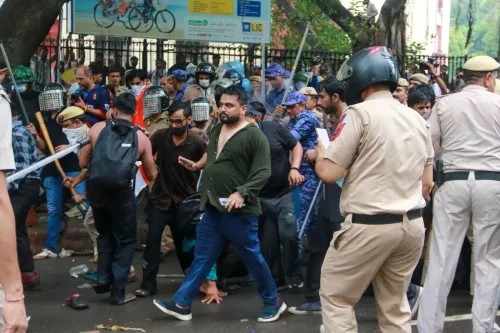
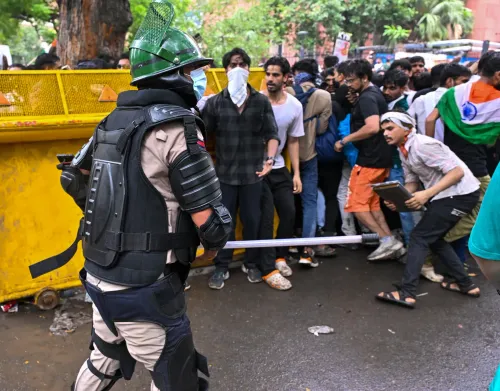
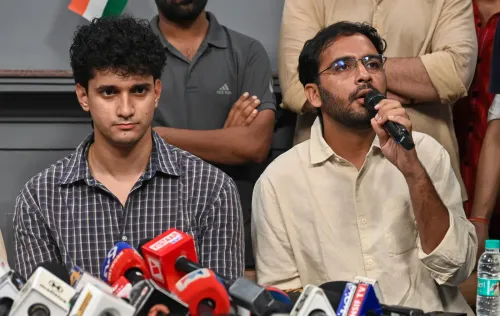
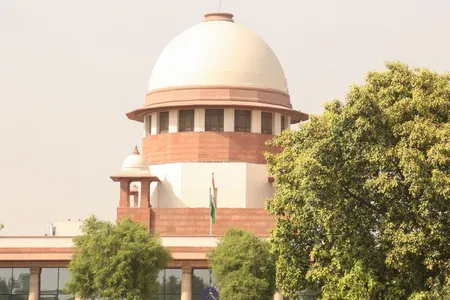
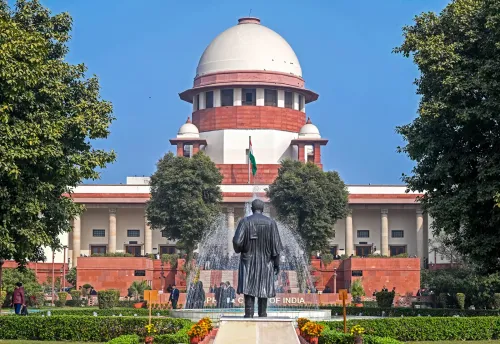
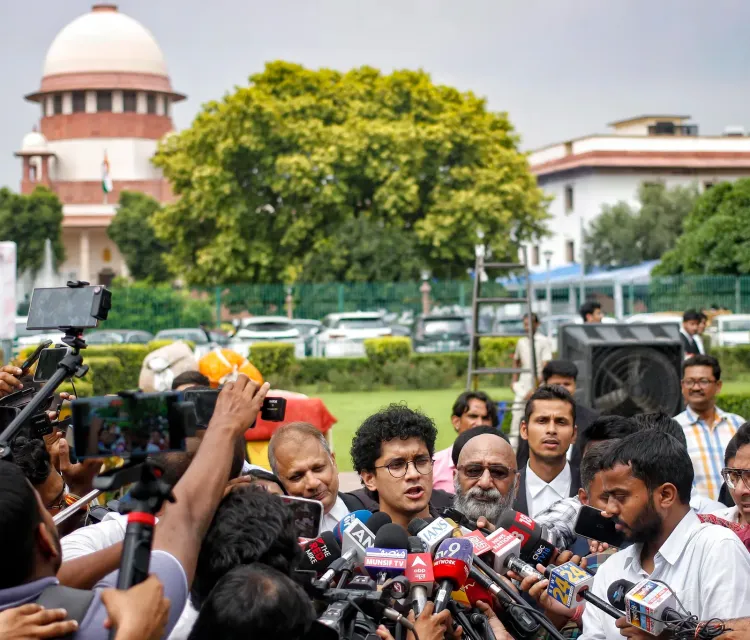
The Supreme Court on Tuesday, 18 August announced its decision to constitute a high-powered fact-finding committee to examine CCTV footage of the student march from Jantar Mantar towards Parliament on 20 July and investigate allegations of police excesses against protesters demonstrating against the NEET paper leak and irregularities in other examinations. The bench, headed by Chief Justice Surya Kant, is hearing a batch of petitions related to student protests in Delhi and Bihar.
What the Committee Will Examine
The apex court sought suggestions from parties on suitable names — former judges, retired Directors General of Police, or ex-CBI directors — who could serve on the panel. The committee will be tasked with determining whether excessive force was deployed against students during the 20 July demonstration, which saw police use lathi charges and teargas to prevent a possible storming of Parliament.
The bench indicated that the committee may be required to submit periodic reports, enabling the court to issue necessary directions — particularly in light of allegations of sexual assault and online harassment of female protesters.
What the Court Said
'Whosoever is responsible, there can be no excuse and no justification. It must be taken seriously and taken to its logical conclusion. That is why we are constituting a high-powered committee. The committee will look into each and every aspect of these matters,' said the bench headed by Chief Justice Surya Kant.
The CJI also clarified that larger constitutional questions — including those related to facial recognition technology, surveillance, and privacy — will be decided by the Supreme Court itself and will not fall within the committee's remit. Petitioners are also likely to be given an opportunity to directly place their concerns before the high-powered panel.
FIRs Against Students Under Scrutiny
The bench indicated it would consider invoking its powers under Article 142 of the Constitution — which grants the Supreme Court extraordinary authority to do complete justice — to quash FIRs registered against students who have no prior criminal antecedents. Cases involving individuals with serious criminal records, however, are expected to be dealt with separately.
The apex court directed state governments to submit lists of FIRs in which only protesting students, without any criminal background, have been named. 'Their parents are spending their hard-earned money on their education. They have a future to live. They have legitimate expectations from the system,' the bench observed.
Background: The July 20 Clashes
The matter stems from clashes between agitators and police on 20 July, when demonstrators marched from Jantar Mantar towards Parliament. Police deployed lathi charges and teargas in response. In an earlier hearing, the Supreme Court had stated that the right to peaceful protest was 'absolutely guaranteed' and that a lathi charge cannot be justified merely because an agitation is under way. This is the latest in a series of judicial interventions over student-led protests that have intensified following the NEET paper leak controversy.
What Happens Next
The Supreme Court is expected to finalise the composition of the fact-finding committee in a subsequent hearing. State governments must submit their FIR lists as directed. The committee's periodic reports will guide the bench's future directions, and the court's eventual ruling on Article 142 could have significant implications for the dozens of students currently facing charges.
Point of View
Not just crowd control gone wrong. The real test will be whether the committee's composition is genuinely independent or shaped by negotiation between parties — a risk the court must guard against if its intervention is to carry credibility.
NationPress
3 Oct 2026
Frequently Asked Questions
What is the Supreme Court's fact-finding committee on the July 20 protest?
It is a high-powered panel announced by the Supreme Court on 18 August to review CCTV footage of the student march from Jantar Mantar to Parliament on 20 July and investigate allegations of police excesses. The bench led by Chief Justice Surya Kant will finalise its composition from names suggested by parties, including former judges, retired DGPs, or ex-CBI directors.
Why were students protesting on July 20?
Students were demonstrating against the NEET paper leak and alleged irregularities in other competitive examinations. The march from Jantar Mantar towards Parliament on 20 July led to clashes with police, who deployed lathi charges and teargas.
What is Article 142 and why is the Supreme Court considering it here?
Article 142 grants the Supreme Court extraordinary power to pass any order necessary to do complete justice in a case before it. The bench indicated it may use this provision to quash FIRs registered against students who have no prior criminal antecedents, separating them from cases involving individuals with serious criminal records.
What has the Supreme Court said about the right to protest?
In an earlier hearing, the Supreme Court stated that the right to peaceful protest is 'absolutely guaranteed' and that a lathi charge cannot be justified merely because an agitation is taking place. The court reiterated this position while announcing the fact-finding committee.
What happens to the larger constitutional questions on surveillance and facial recognition?
Chief Justice Surya Kant clarified that constitutional questions relating to facial recognition technology, surveillance, and privacy will be decided by the Supreme Court itself and will not be delegated to the fact-finding committee.