Centre moves SC to quash FIRs against student protesters under Article 142
Synopsis
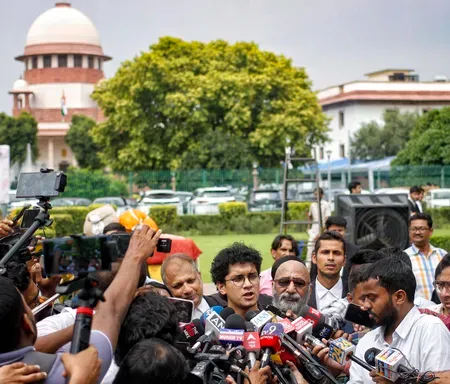
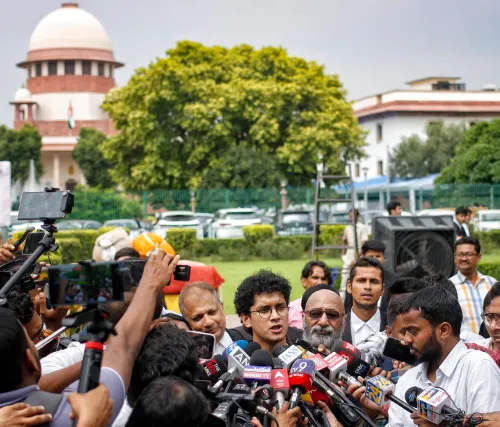
In a significant legal move, the Centre has asked the Supreme Court to invoke Article 142 — its most sweeping constitutional power — to collectively quash FIRs against student protesters nationwide. The timing, days before a planned march by NEET victims' families, signals the government is seeking a judicial resolution to a politically charged standoff.
Key Takeaways
The Centre moved the Supreme Court on 31 August seeking quashing of FIRs against student protesters at Jantar Mantar and elsewhere.
Solicitor General Tushar Mehta invoked Article 142 of the Constitution, urging the court to exercise its extraordinary powers for 'complete justice'.
The CJI Surya Kant -led Bench agreed to list the matter for hearing on Tuesday, 1 September .
The Cockroach Janta Party (CJP) has announced a protest march on September 5 from India Gate to New Delhi Police Headquarters , led by families of NEET victims.
The Supreme Court separately refused to block the September 5 march, saying there were no compelling circumstances to presume a law and order breakdown.
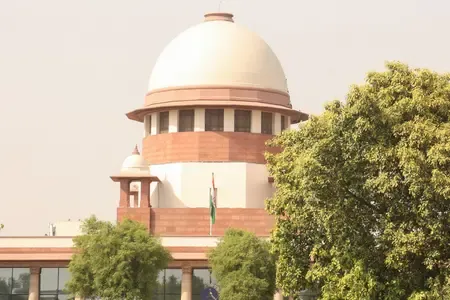
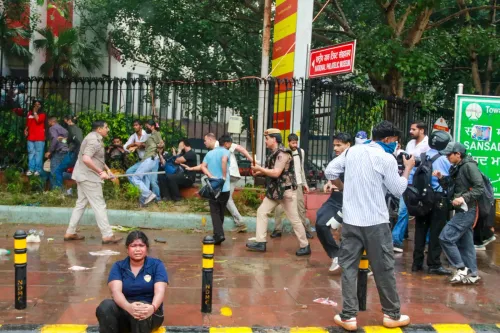
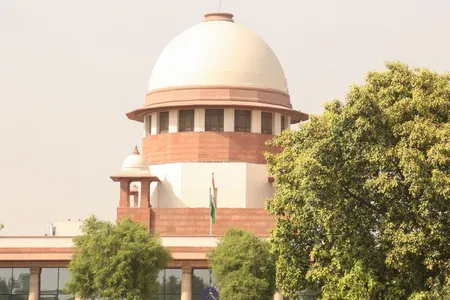
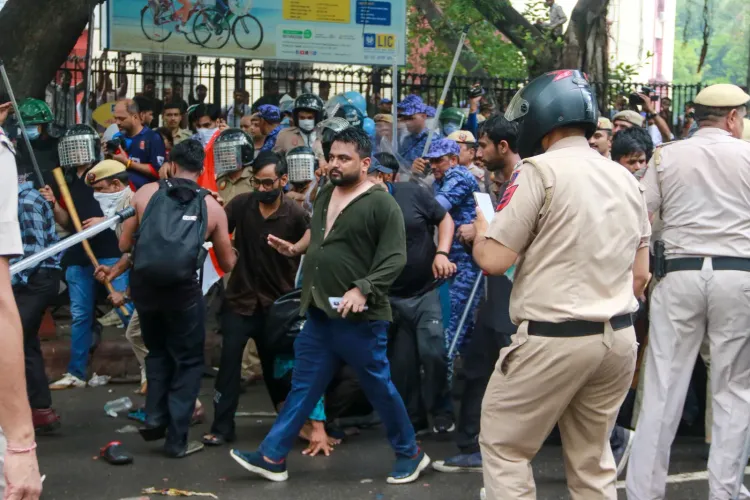
The Centre on Monday, 31 August moved the Supreme Court seeking the quashing of First Information Reports (FIRs) registered against student protesters who participated in demonstrations at Jantar Mantar and other locations across the country. The government urged the apex court to invoke its extraordinary powers under Article 142 of the Constitution to ensure 'complete justice' in the matter.
How the Matter Was Raised
Solicitor General Tushar Mehta, the Centre's second-highest law officer, mentioned the application before a Bench headed by Chief Justice of India (CJI) Surya Kant and comprising Justices Joymalya Bagchi and V. Mohana, seeking an urgent hearing. 'I want to move one IA, if lordships can permit (listing) tomorrow. It is regarding that protest, for the purpose of FIRs to be quashed, etc. Article 142 (of the Constitution), we are invoking,' SG Mehta submitted before the Bench.
When the CJI-led Bench sought clarification, Mehta reiterated that the application concerned the collective quashing of FIRs arising from the nationwide student protests. The Supreme Court responded, 'If parties are reconciling, we have no problem,' and agreed to list the matter for hearing on Tuesday, 1 September.
What Article 142 Allows
Article 142 of the Constitution grants the Supreme Court sweeping powers to pass any decree or order necessary to do 'complete justice' in any matter before it. Its invocation is rare and typically reserved for situations where ordinary legal remedies fall short. The Centre's application specifically seeks the court's exercise of this provision to bring a definitive end to the criminal proceedings stemming from the student protests.
Background: The Student Protests and the CJP March
The development comes ahead of a proposed September 5 protest march announced by the Cockroach Janta Party (CJP) from India Gate to the New Delhi Police Headquarters. The CJP had on 24 August announced the march, alleging that the Centre had failed to honour commitments made to young people on 25 July, following the withdrawal of nationwide youth protests.
The party stated that the September 5 march would be led by families of deceased NEET victims and victims of alleged police brutality, and would be joined by students and young citizens from across the country. The CJP also referenced the Supreme Court proceedings of 18 August, alleging that the apex court had sought details of FIRs registered across the country so that the issue of their collective quashing could be considered.
Court Declines to Block September 5 March
Separately on the same day, the Supreme Court refused to pass any interim order against the proposed September 5 march, observing that there were 'no compelling circumstances at this stage' to presume that the demonstration would result in any law and order problem. The CJI-led Bench issued notice on an application challenging the march — filed by retired Delhi Police officer Rajendra Singh — but declined to hear it before September 5.
The application had raised apprehensions about the proposed demonstration and questioned whether the organisers had obtained the requisite permission, particularly in view of the upcoming BRICS Summit in the national capital. The apex court observed that it would presume, at least at this stage, that everyone would act responsibly and participate in a peaceful and lawful manner, while stating that maintenance of law and order was ultimately the responsibility of the police authorities.
The matter is now set to be heard on Tuesday, with the court's response to the Centre's Article 142 application likely to set a significant legal precedent for how protest-related FIRs are handled across the country.
Point of View
Sweeping judicial order that forecloses dozens of state-level proceedings at once. That is legally efficient, but it also sidesteps the question of why those FIRs were registered in the first place and whether the protesters received due process. The Supreme Court's simultaneous refusal to block the September 5 march underscores an uncomfortable reality: the political pressure from student groups has not dissipated. A judicial quashing of FIRs may defuse one flashpoint, but the CJP's march — anchored to unresolved NEET grievances — suggests the underlying discontent runs deeper than any court order can resolve on its own.
NationPress
16 Oct 2026
Frequently Asked Questions
Why has the Centre moved the Supreme Court to quash FIRs against student protesters?
The Centre has sought the Supreme Court's intervention under Article 142 of the Constitution to collectively quash FIRs registered against students who participated in nationwide protests, including demonstrations at Jantar Mantar. The government urged the court to use its extraordinary powers to ensure 'complete justice' and bring an end to the criminal proceedings arising from the protests.
What is Article 142 of the Constitution and why is it significant here?
Article 142 grants the Supreme Court the power to pass any decree or order necessary to do 'complete justice' in any matter before it, overriding ordinary legal remedies. Its invocation by the Centre is significant because it allows a single apex court order to quash FIRs across multiple states simultaneously, rather than pursuing individual High Court proceedings.
What is the September 5 protest march and who is organising it?
The Cockroach Janta Party (CJP) has announced a protest march on September 5 from India Gate to the New Delhi Police Headquarters. The march is to be led by families of deceased NEET victims and victims of alleged police brutality, with students and young citizens expected to join. The CJP alleges the Centre failed to honour commitments made on 25 July following the withdrawal of earlier nationwide youth protests.
Did the Supreme Court block the September 5 march?
No. The Supreme Court on 31 August refused to pass any interim order against the proposed September 5 march, stating there were no compelling circumstances to presume it would cause a law and order problem. The Bench issued notice on a challenge filed by retired Delhi Police officer Rajendra Singh but declined to hear it before September 5.
When will the Supreme Court hear the Centre's application to quash the FIRs?
The CJI Surya Kant-led Bench agreed to list the Centre's application for hearing on Tuesday, 1 September. The outcome of that hearing is expected to have significant implications for how protest-related FIRs are addressed across the country.