CJP threatens fresh protests, says govt hiding behind SC order on FIR withdrawal
Synopsis
The CJP is threatening to return to the streets, accusing the Centre of weaponising a Supreme Court order to dodge its own promise to drop FIRs against anti-paper leak protesters. With no written assurance received and protests reportedly ongoing in five states, the 37-day agitation that forced a minister's resignation could be far from over.
Key Takeaways
The CJP has threatened to resume nationwide protests if the Centre does not honour its assurance to withdraw FIRs against peaceful demonstrators.
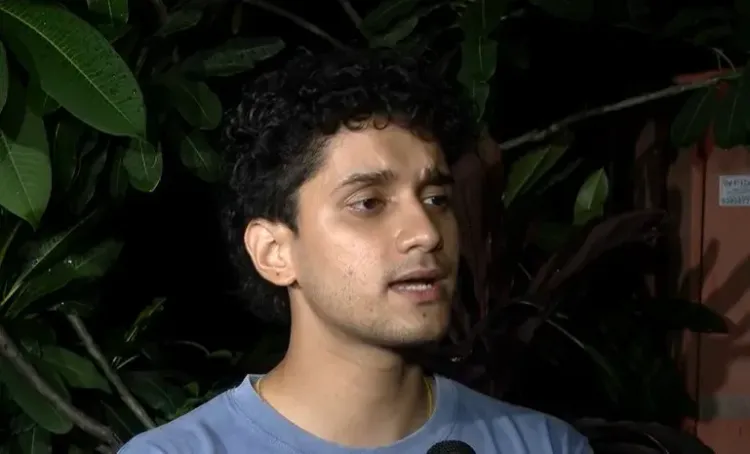
CJP spokesperson Saurav Das alleged the government is misusing a Supreme Court order to call the issue sub judice and avoid action.
The Supreme Court , led by Chief Justice Surya Kant , directed no coercive action against peaceful protesters and ordered release of detained students with no prior criminal record.
The CJP's 37-day agitation , launched on 20 June , ended after Dharmendra Pradhan resigned as Union Education Minister and the government gave verbal assurances on FIRs and compensation.
Protesters in Uttar Pradesh , Goa , Rajasthan , Maharashtra , and Madhya Pradesh are allegedly still facing harassment and legal proceedings, according to the CJP .
Over 118 police personnel were injured during the Parliament March on 20 July .
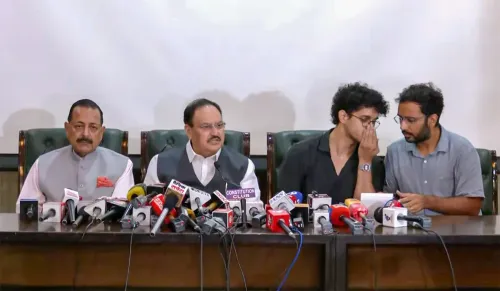
The Cockroach Janta Party (CJP) has warned of renewed nationwide protests, alleging that the Centre is exploiting the Supreme Court's recent observations in anti-paper leak cases to sidestep its earlier public assurances to withdraw First Information Reports (FIRs) against peaceful demonstrators. The warning was issued on Tuesday, 29 July, from New Delhi.
Supreme Court's Directions
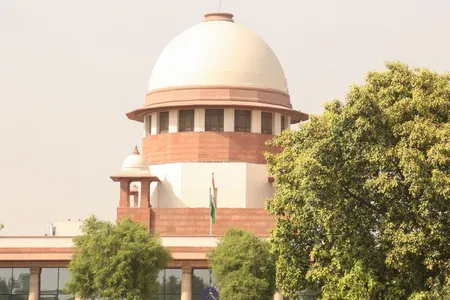
The Supreme Court, while hearing a batch of petitions related to alleged excessive force used against students protesting examination paper leaks at Delhi's Jantar Mantar and other sites, directed that no coercive action be taken against peaceful protesters. A Bench led by Chief Justice of India Surya Kant also ordered the release of detained protesters with no prior criminal record, while permitting investigations into existing FIRs to proceed.
CJP's Allegation Against the Centre
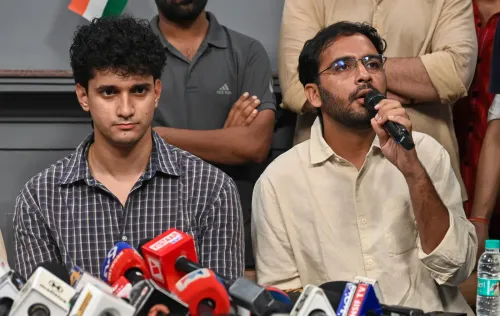
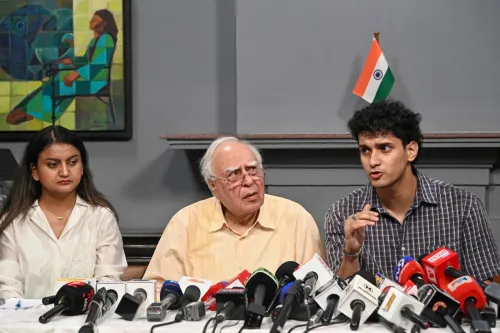
CJP spokesperson Saurav Das claimed that the Centre had previously and publicly assured protesting students that no fresh FIRs would be filed against them and that existing cases would be withdrawn. He alleged that the government is now invoking the court's sub judice position to avoid honouring those commitments.
'However, after the Supreme Court's order in the PILs related to our protests, the government is now saying the matter is sub judice, citing the court's observation that investigation into existing FIRs can continue,' Das said.
Das added that the organisation had expected a written assurance from the Centre by Tuesday but claimed no such communication had been received.
CJP's Reading of the Court Order
Das argued that the Supreme Court's order did not bar governments from independently withdrawing FIRs, and alleged the ruling was being interpreted in a manner that could adversely affect students. 'Nowhere in the Supreme Court's order is it written that FIRs would not be withdrawn. The power solely lies with the government. The Supreme Court should also understand how the government is misusing its orders and politicising and weaponising them against the youth. The government should fulfil the guarantees it gave us,' he said.
The CJP also conveyed concerns to the government about the situation in Uttar Pradesh, Goa, Rajasthan, Maharashtra, and Madhya Pradesh, where it alleged protesters were facing harassment and legal proceedings.
Background: 37-Day Agitation and Its Conclusion
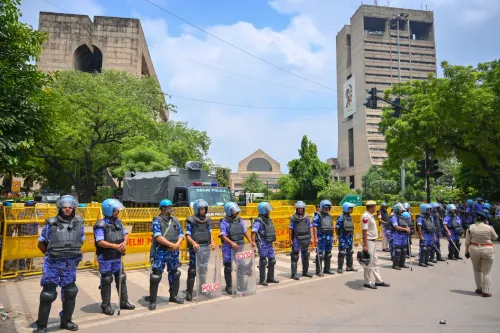
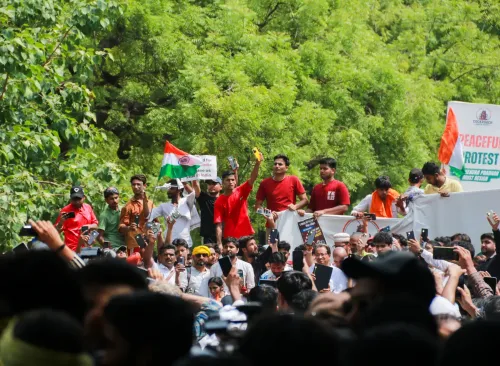
The CJP launched its sustained agitation against examination paper leaks at Jantar Mantar on 20 June. A key demand was the resignation of Dharmendra Pradhan from the post of Union Education Minister. The movement culminated in a 'Parliament March' on 20 July, during which protesters were lathicharged and tear-gassed by security personnel. Over 118 police personnel, many of whom were reportedly attacked by protesters, were also injured in the clashes.
Following two rounds of negotiations, Dharmendra Pradhan resigned as Union Education Minister on Saturday. The CJP subsequently called off its 37-day protest after the government assured it that no action would be taken against peaceful protesters and that families of students who died by suicide following the NEET paper leak controversy would receive compensation.
Threat of Renewed Protests
Das warned that if the assurances were not honoured, the organisation would 'once again take to the streets in support of students facing legal action.' Whether the government issues the written guarantee the CJP is demanding will likely determine whether the agitation reignites in the days ahead.
Point of View
But those assurances were never reduced to writing. The Supreme Court's order, while protective of protesters on coercive action, does not extinguish the government's independent power to withdraw FIRs — a distinction the CJP is correctly drawing attention to. If the Centre continues to shelter behind sub judice reasoning, it risks both a legal credibility gap and a fresh round of street mobilisation. The episode also raises a broader governance question: oral assurances made under political pressure, without a written framework, are inherently fragile — and students in five states are now paying the price for that ambiguity.
NationPress
28 Oct 2026
Frequently Asked Questions
Why is the CJP threatening to resume protests?
The CJP says the Centre has not fulfilled its earlier assurance to withdraw FIRs against peaceful anti-paper leak protesters, and is instead using a Supreme Court order to declare the matter sub judice. The organisation had called off a 37-day agitation after the government gave verbal commitments, but claims no written guarantee has been received.
What did the Supreme Court order in the paper leak protest case?
A Supreme Court Bench led by Chief Justice of India Surya Kant directed that no coercive action be taken against peaceful protesters and ordered the release of detained students with no prior criminal record. The court allowed investigations into existing FIRs to continue, which the CJP says the government is misusing as a pretext.
What assurances did the government give to the CJP?
According to the CJP, the Centre publicly assured protesting students that no new FIRs would be registered and that existing cases would be withdrawn. The government also committed to providing compensation to families of students who died by suicide following the NEET paper leak controversy. These assurances were reportedly made during two rounds of negotiations.
What triggered the original CJP agitation?
The CJP launched its protest at Delhi's Jantar Mantar on 20 June against examination paper leaks, with a key demand being the resignation of Union Education Minister Dharmendra Pradhan. The 37-day movement culminated in a Parliament March on 20 July, during which police used lathicharges and tear gas; over 118 police personnel were also injured in the clashes.
Which states are reportedly seeing continued harassment of protesters?
The CJP has flagged alleged harassment and ongoing legal proceedings against protesters in Uttar Pradesh, Goa, Rajasthan, Maharashtra, and Madhya Pradesh. The organisation says it has conveyed these concerns to the Centre and is demanding that all FIRs across the country be withdrawn.